Devil’s Trench – Ördög-árok

I happened upon this place in the Bakony hills, while searching for a hiking trail where we don’t need to enter a village or a town.
I’m a sucker for gorges ,especially for big ones (yeah I’m sorry, size does matter in this case), so it went straight to my bucket list.Thankfully, it wasn’t there for long.

Details of the walk:

Distance: 9,4 kilometres
Route: http://out.ac/ozjdr (GPX and KML formats are available)
How to get there: By public transport: several buses stop at the Gézaházpuszta, or it can be reached from Bakonyoszlop
By car: Parking az Gézaházpuszta


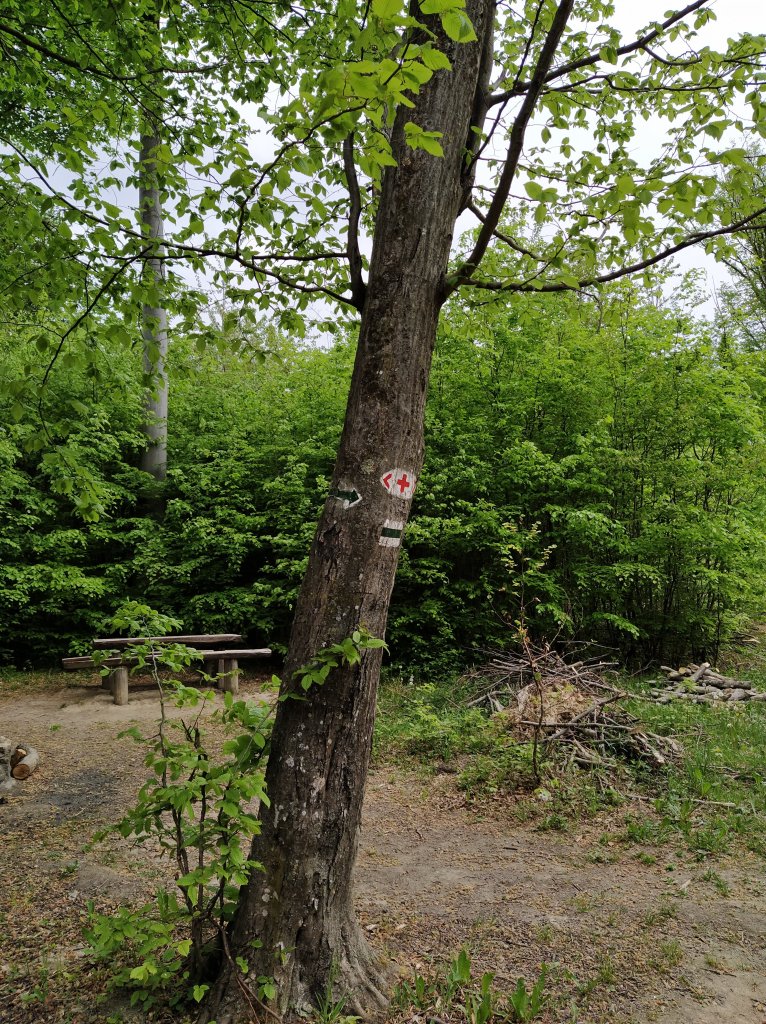
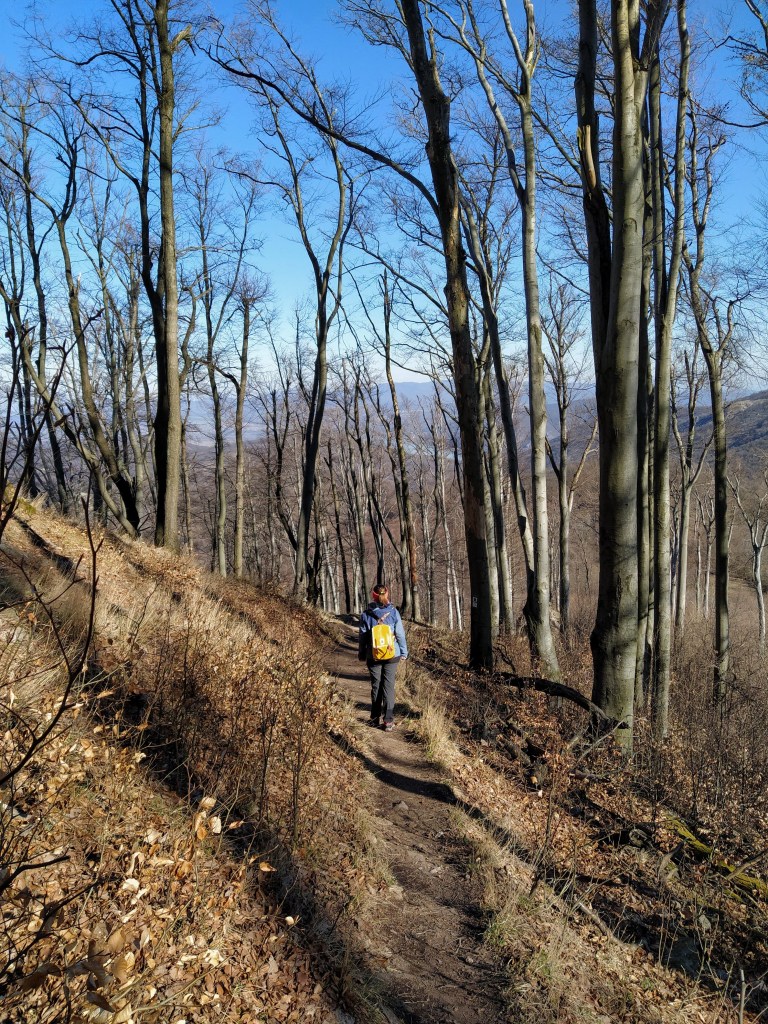
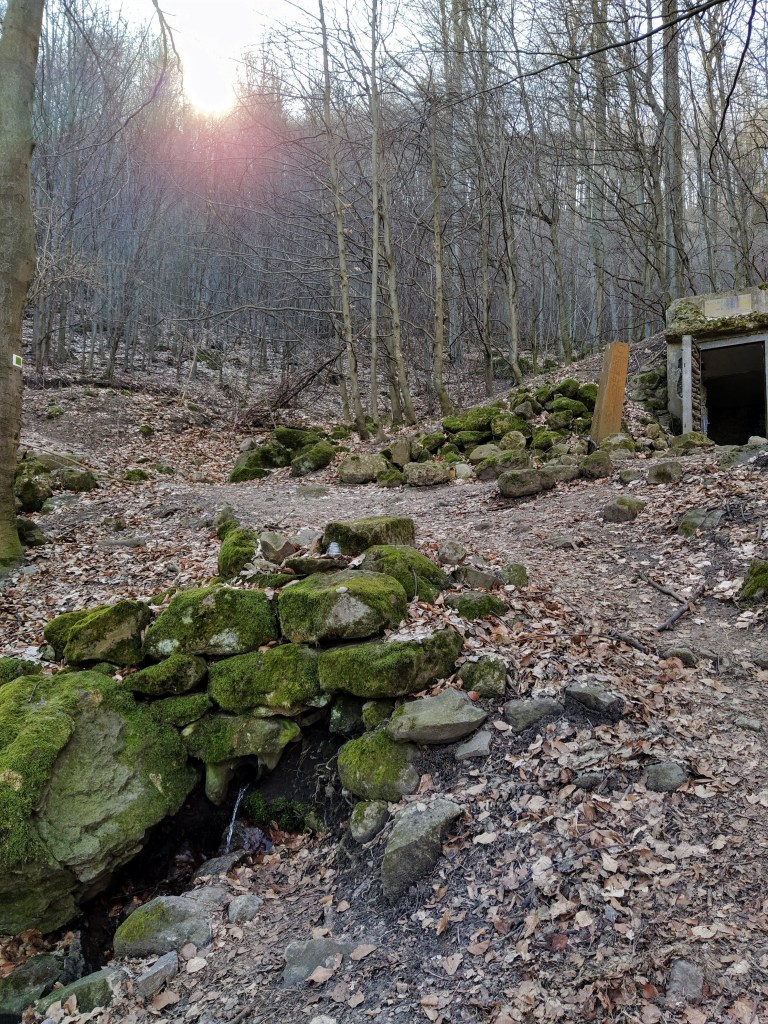
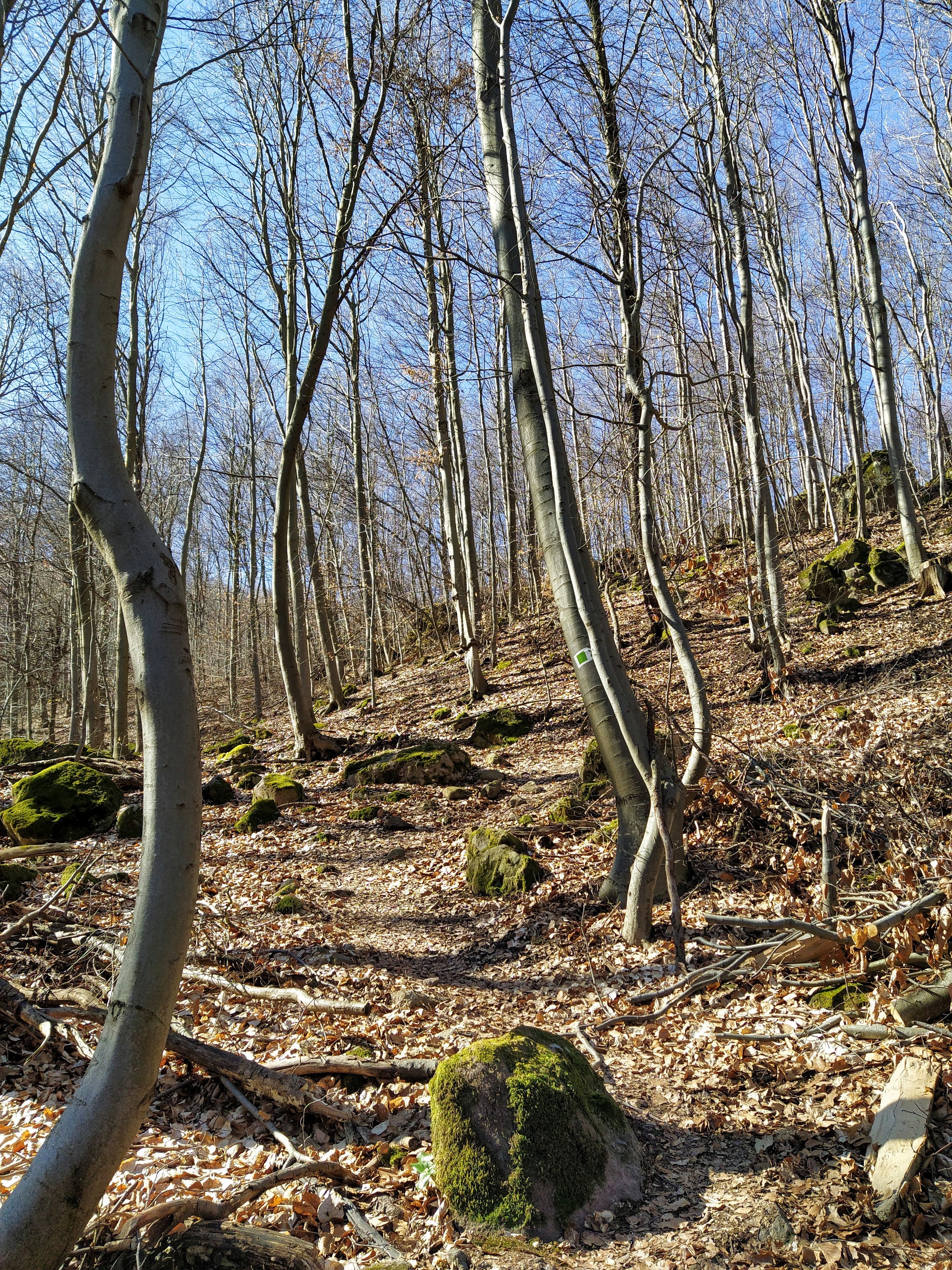
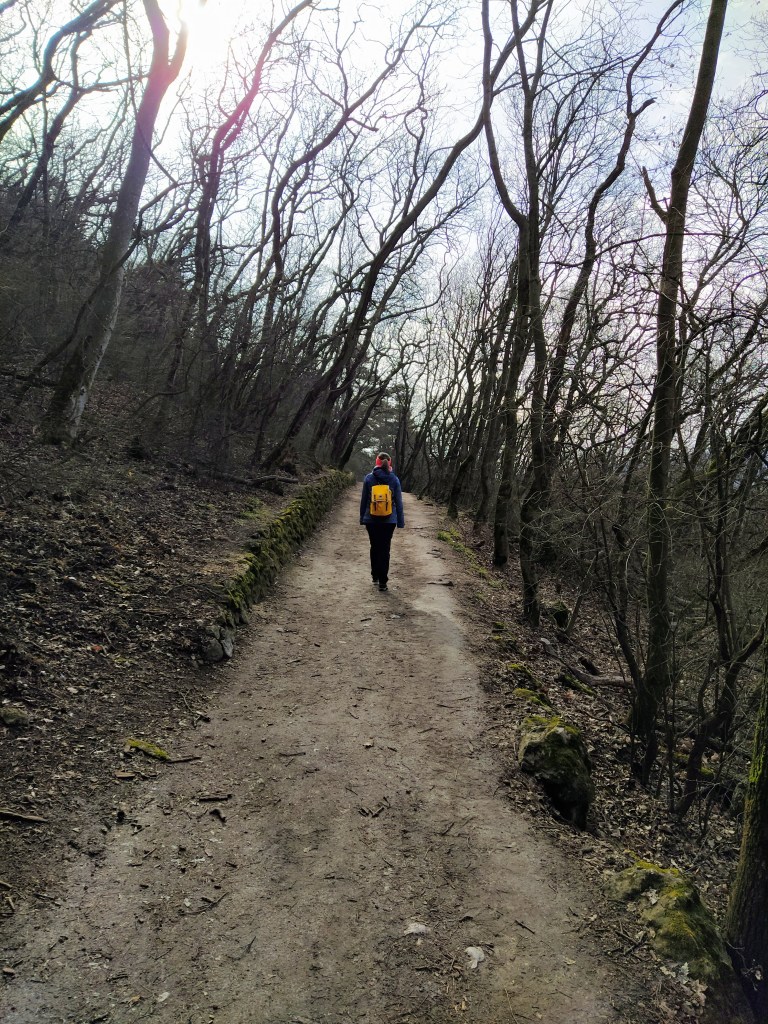
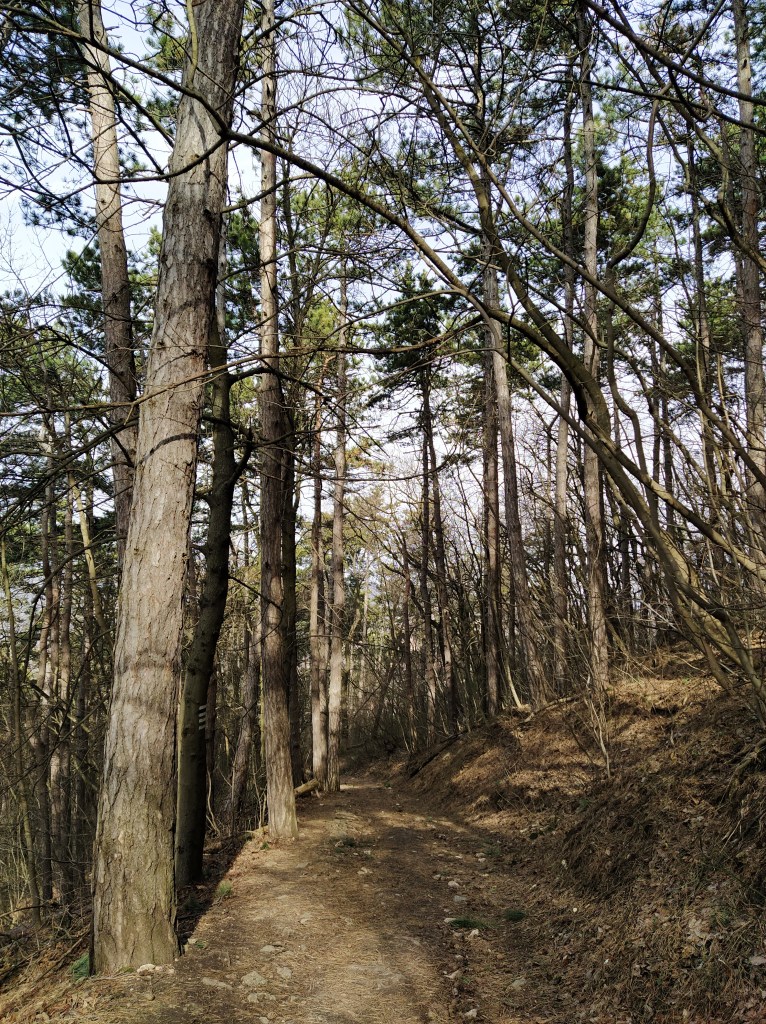
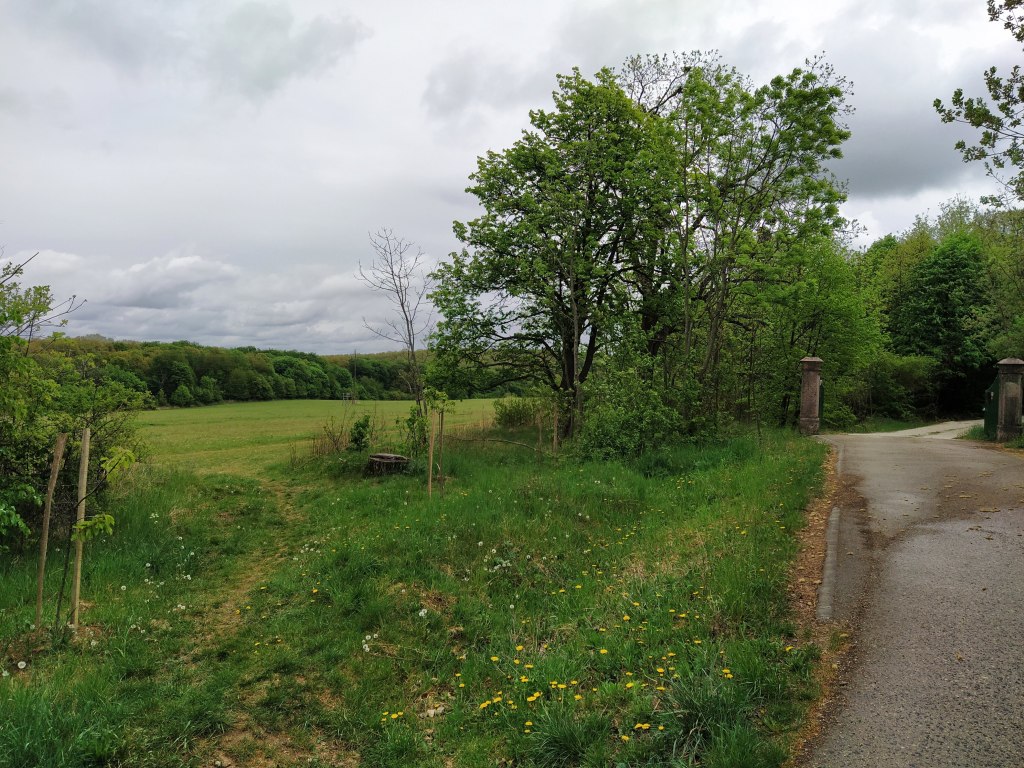
We started out from a small car park just outside of Csesznek (a town known for its castle) by following the red cross sign, and left behind the concrete road just before the gate leading to a manor. We walked through the fields, passed a few happily grazing horses and plunged into the wood on a wider track, obviously used by wood cutters. After having said goodbye to the red cross sign at a little clearing, we continued on the green trail that slowly led us among tall trees.
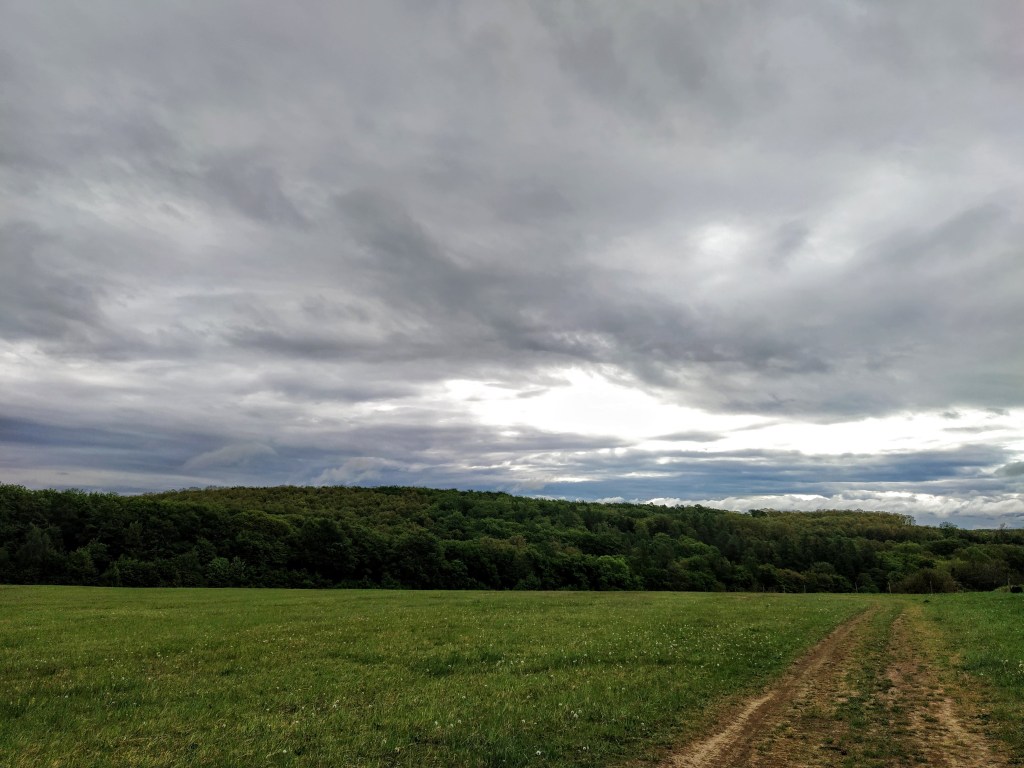
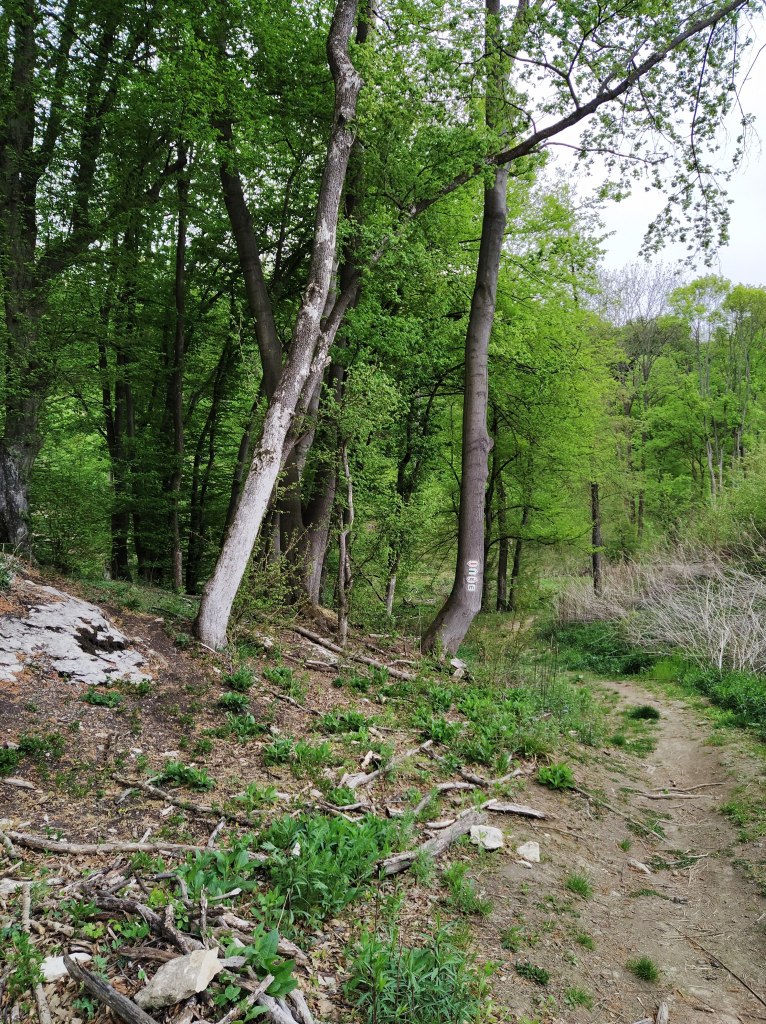
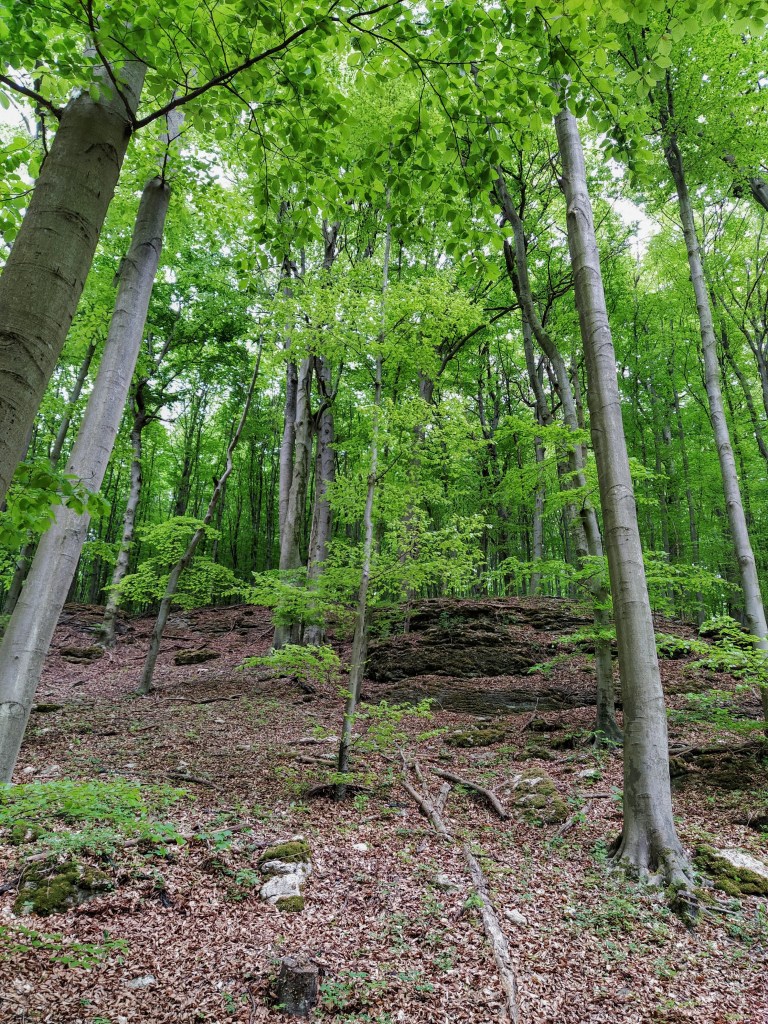
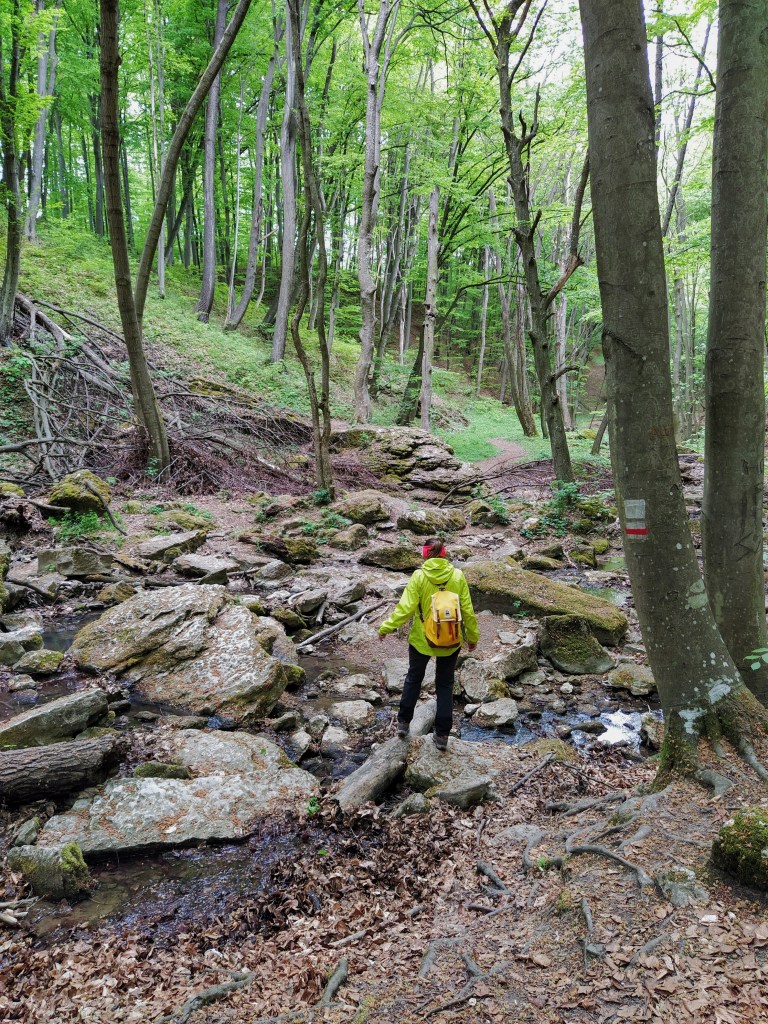
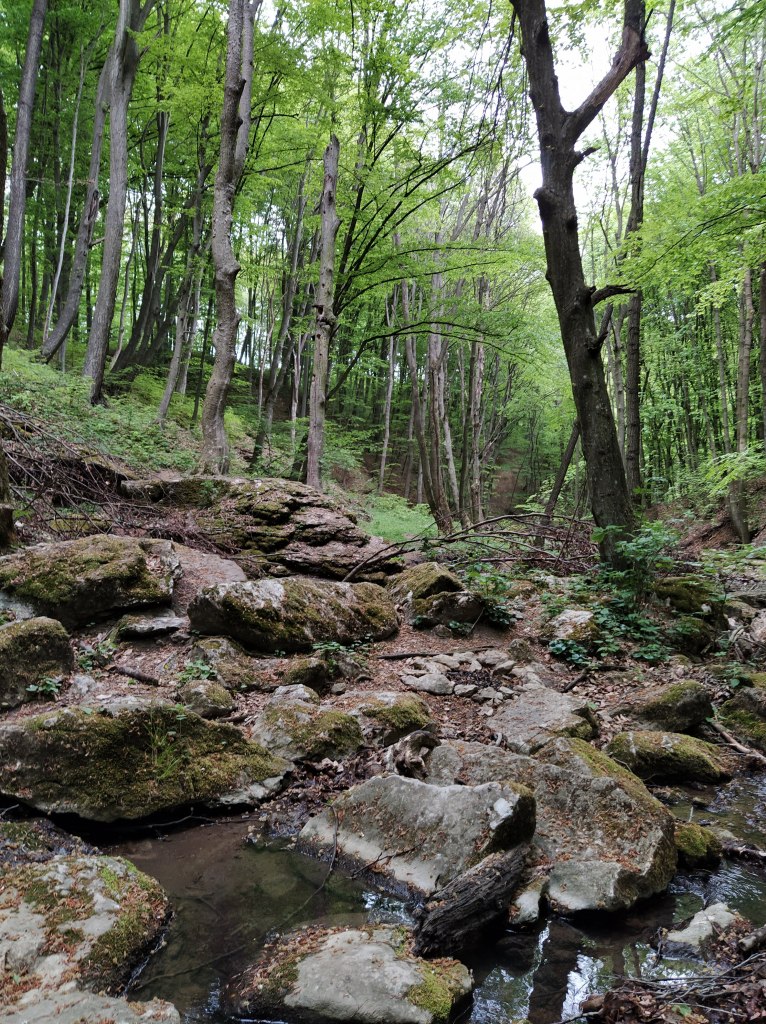
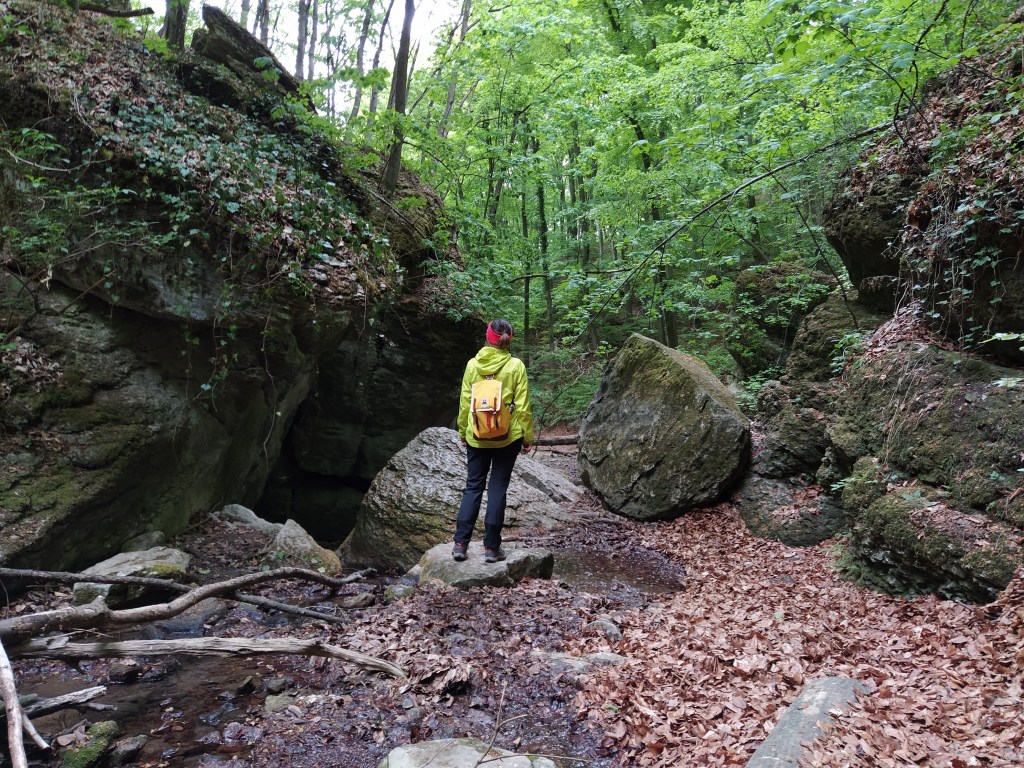
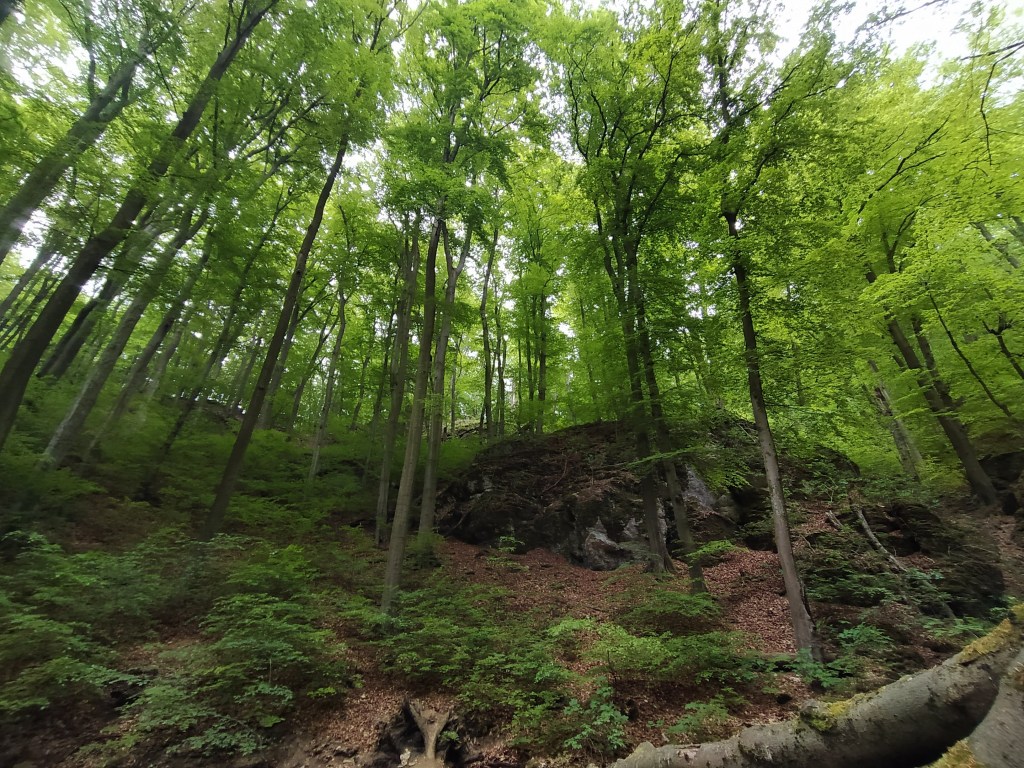
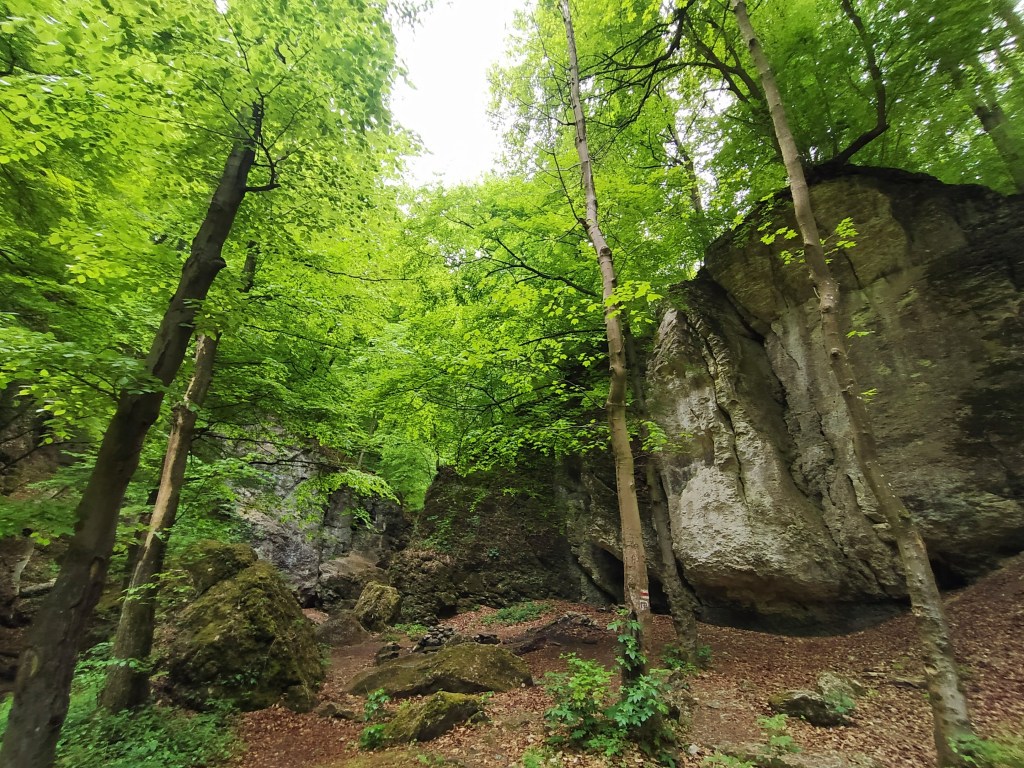
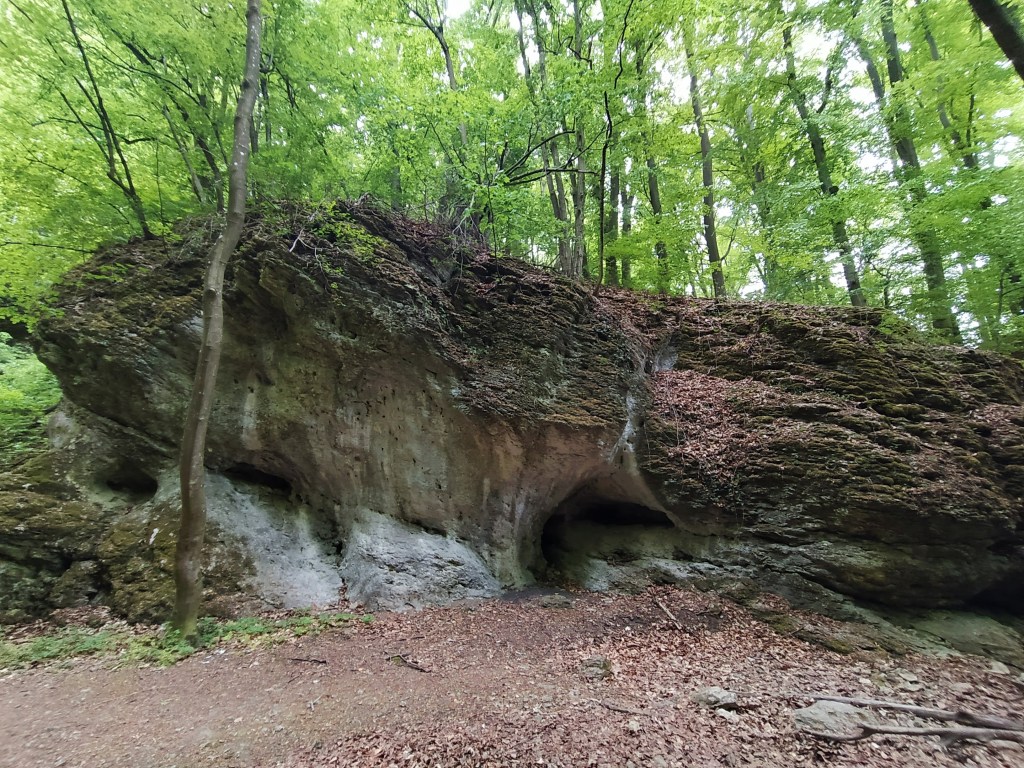
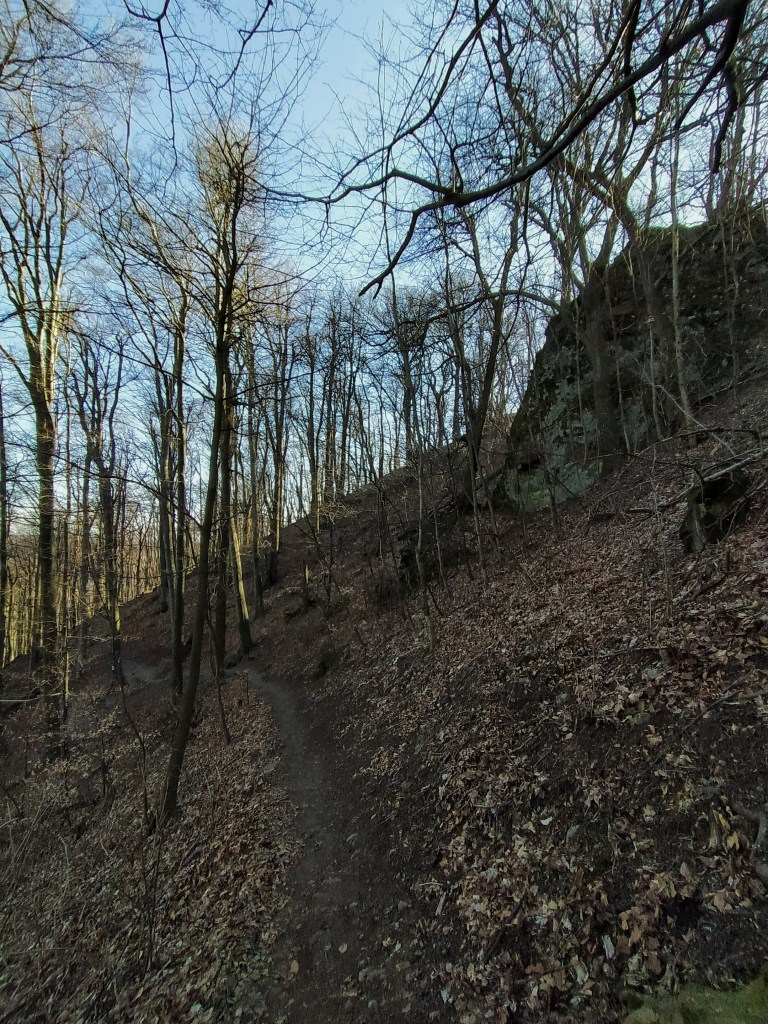
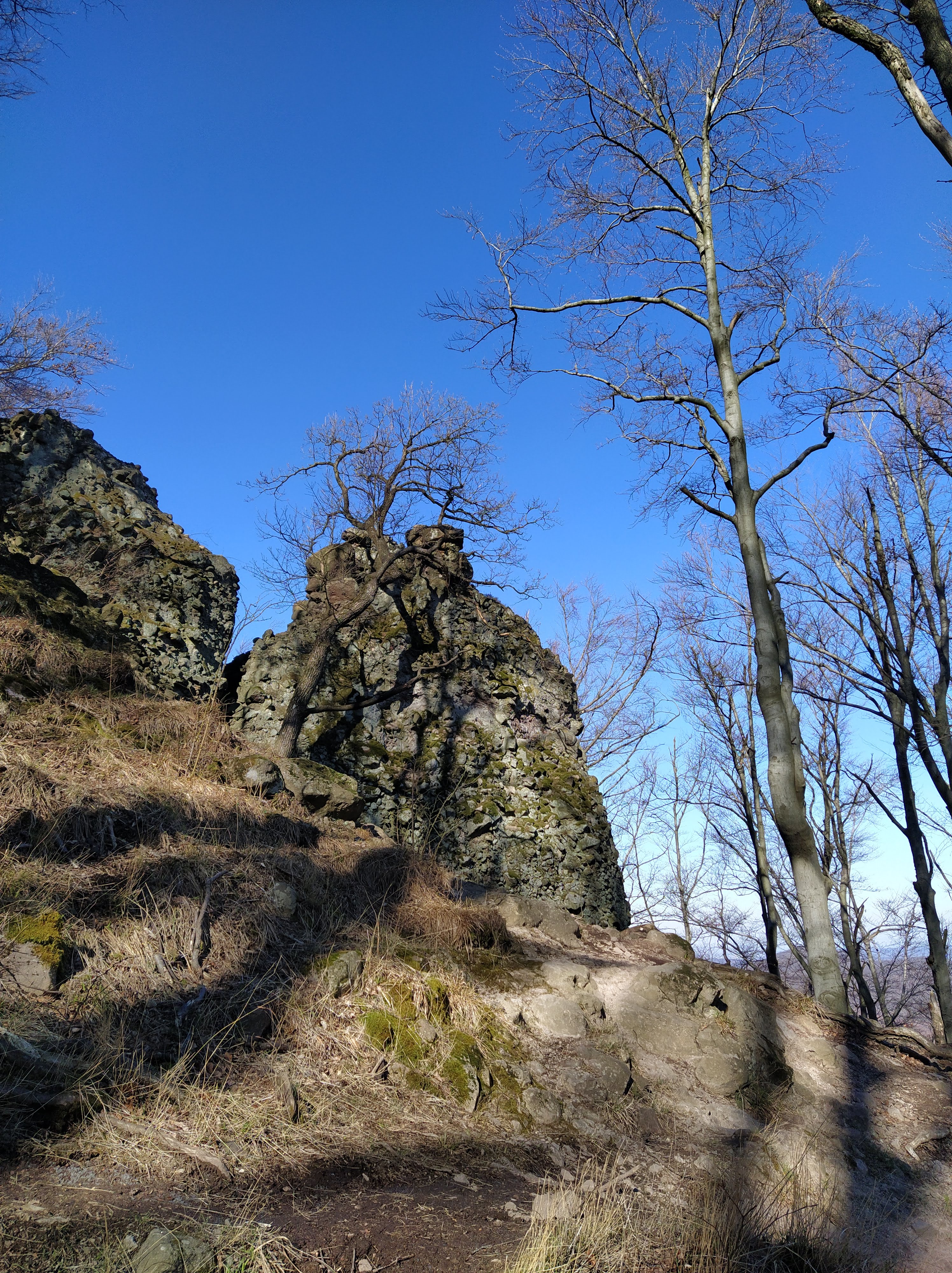
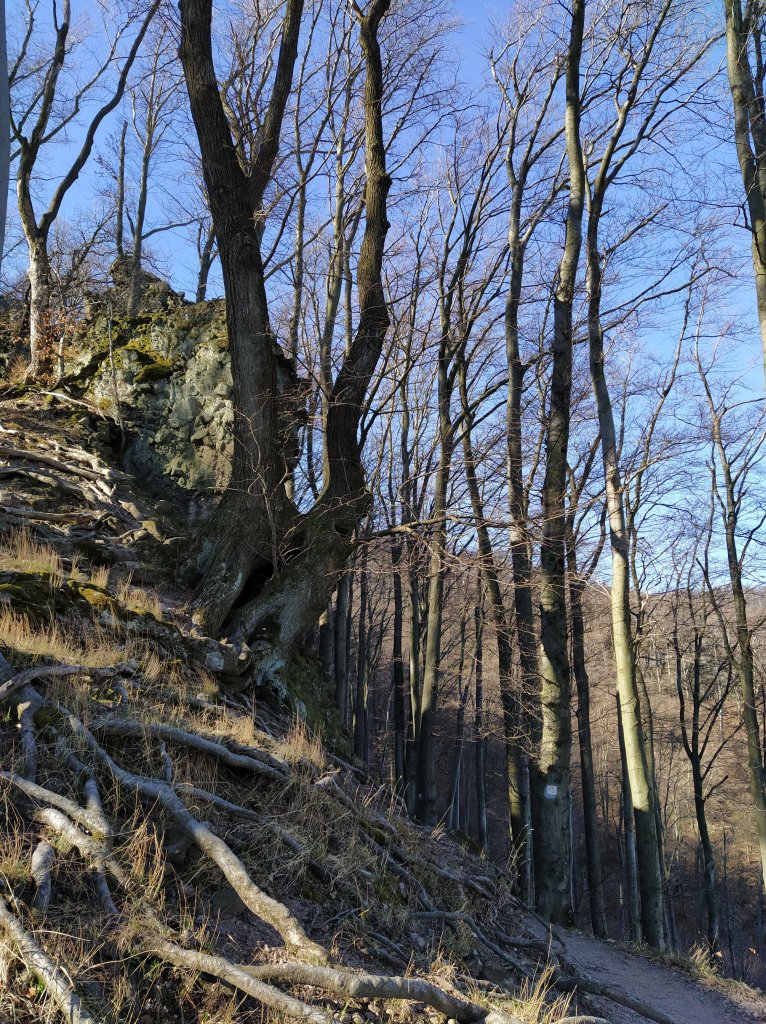
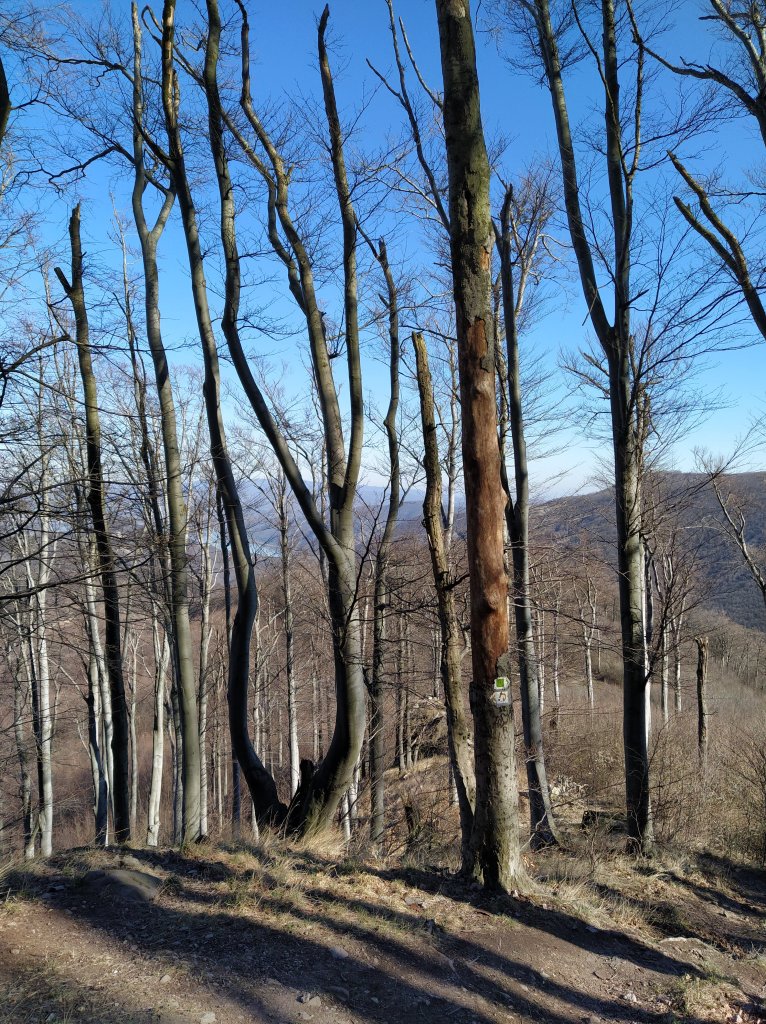
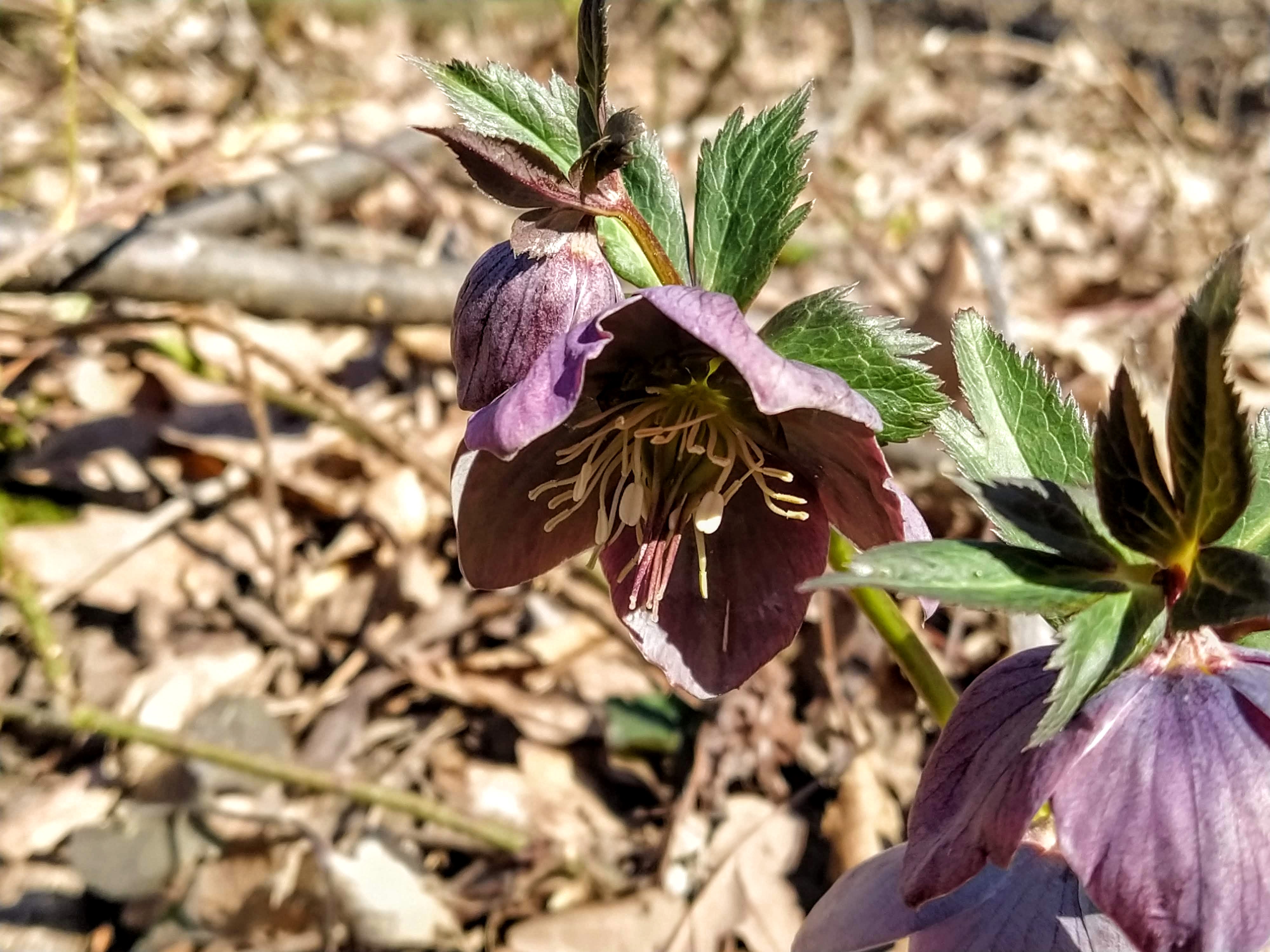
It may sound stupid, but everything was so unbelievably green, even the air had a green hue. After the grey, dreary days of winter, nature has finally awaken. I slowly realised that finally after the constant hustle-bustle of the city, no man-made noise could be heard, just the birds and the soft murmuring of the trees. No relaxation method can beat this if you ask me. The path leading to Devil’s Trench is not always clearly marked but if you follow the map you can’t get lost. Or maybe I just didn’t pay attention to the path markers, I’m easily distracted by a flower, a nice leaf, a bug, so basically by everything.After spotting the first telltale rock, signing that the gorge is getting closer, we turned left on the red line path.
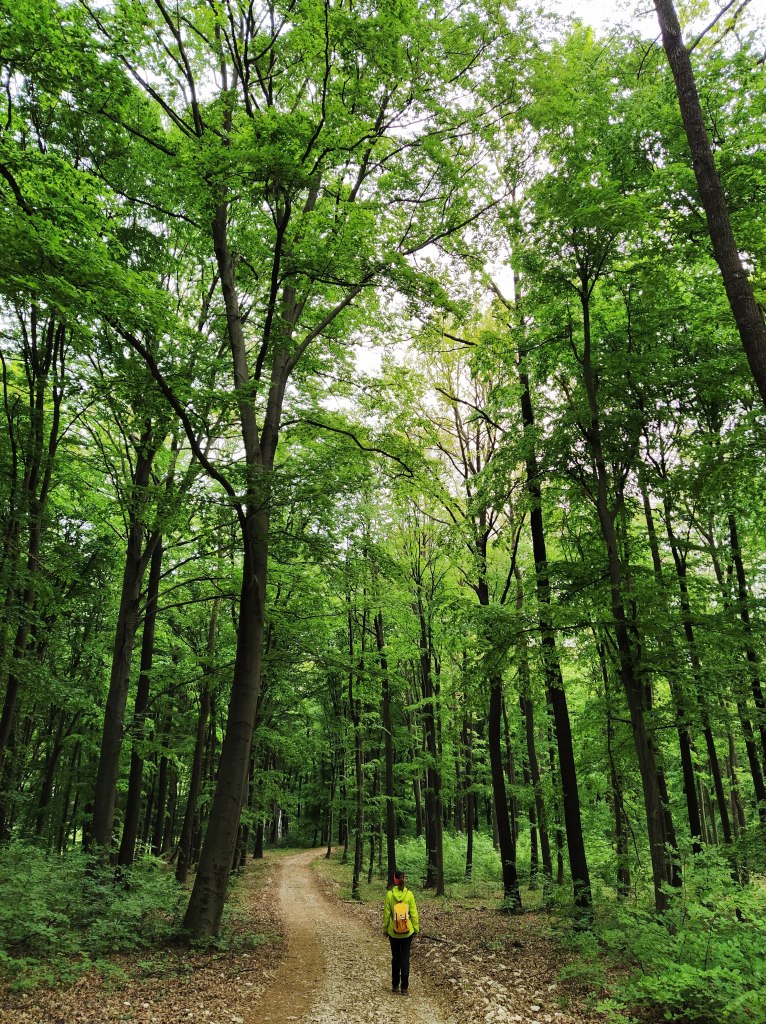
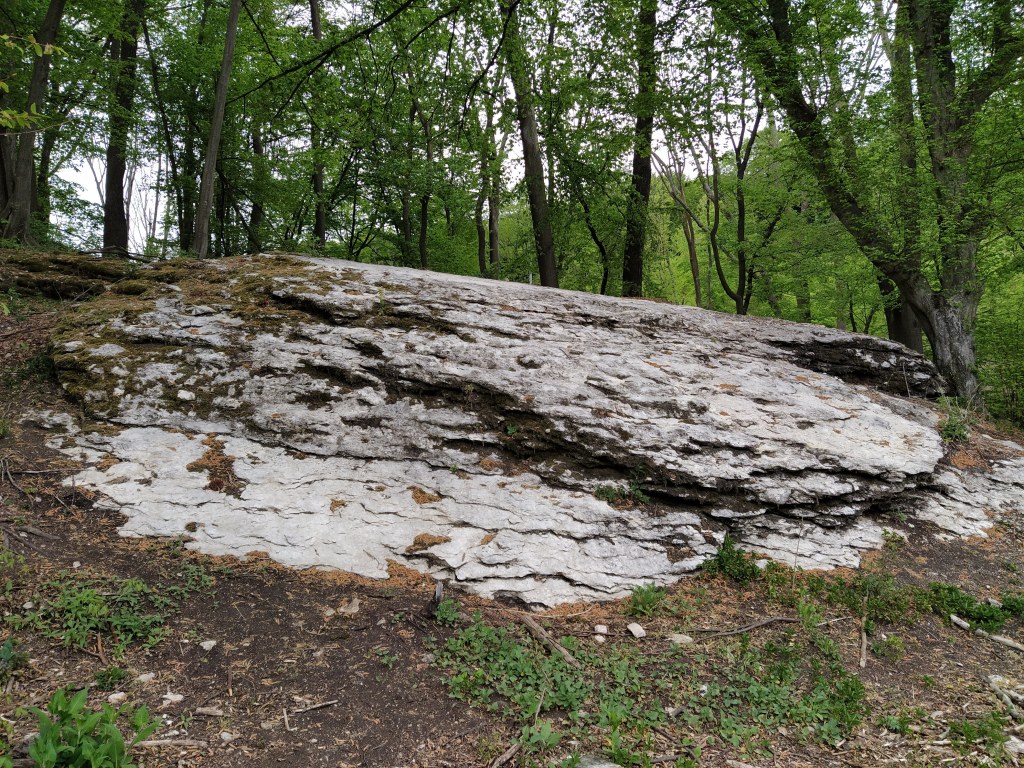
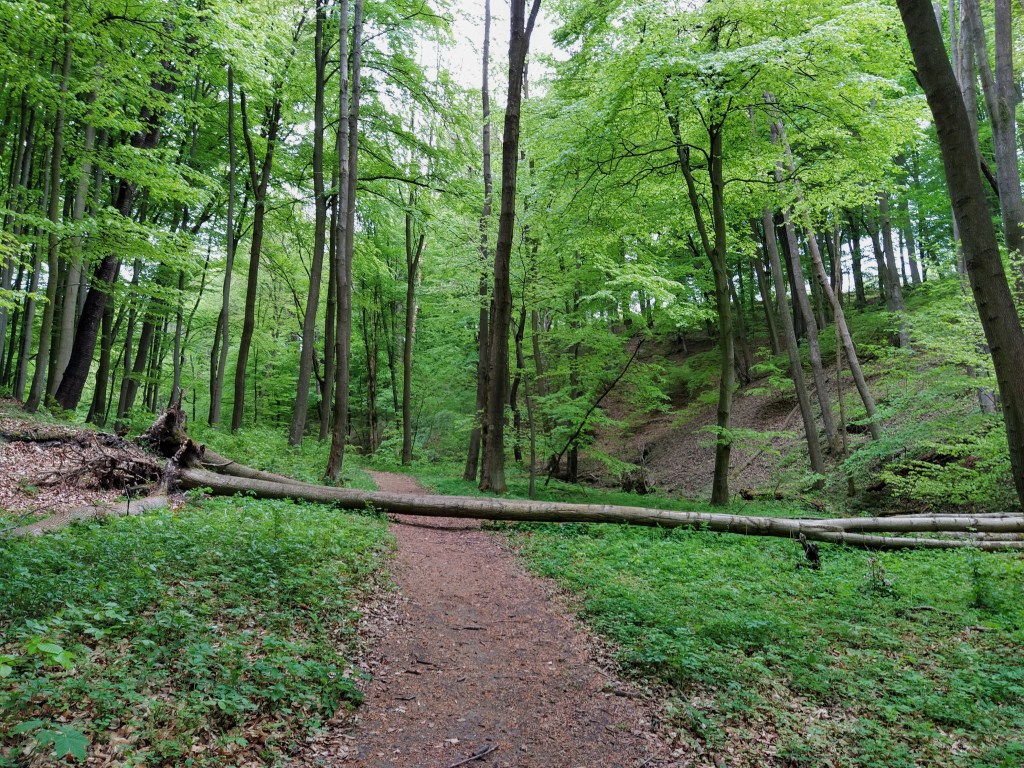
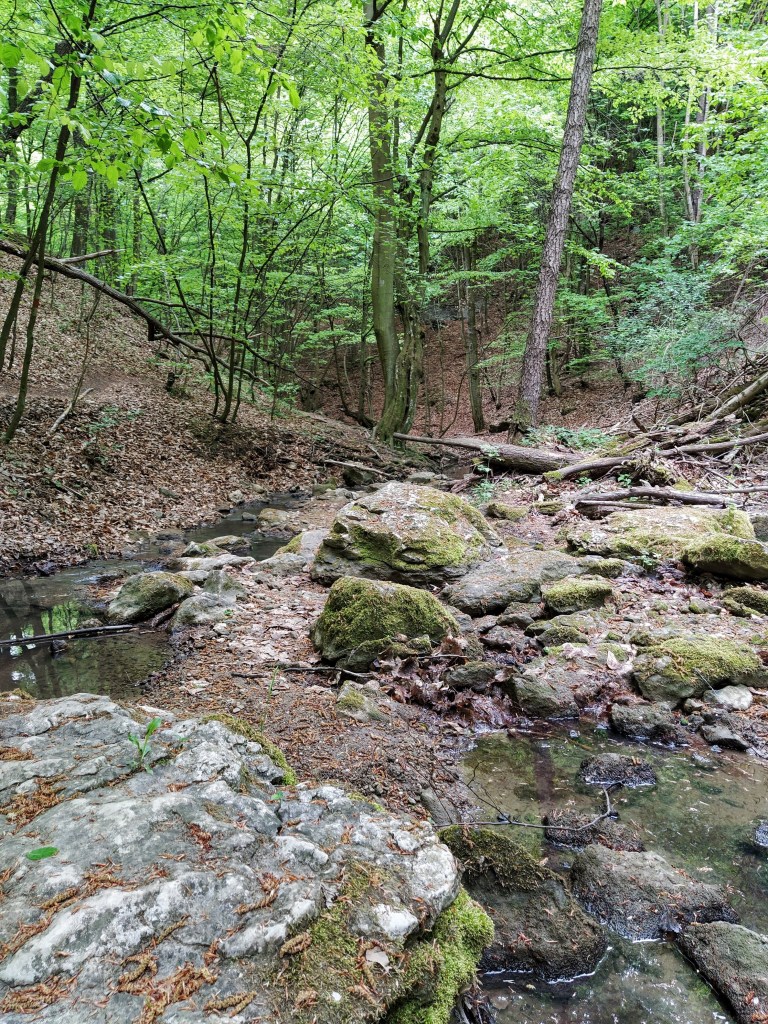
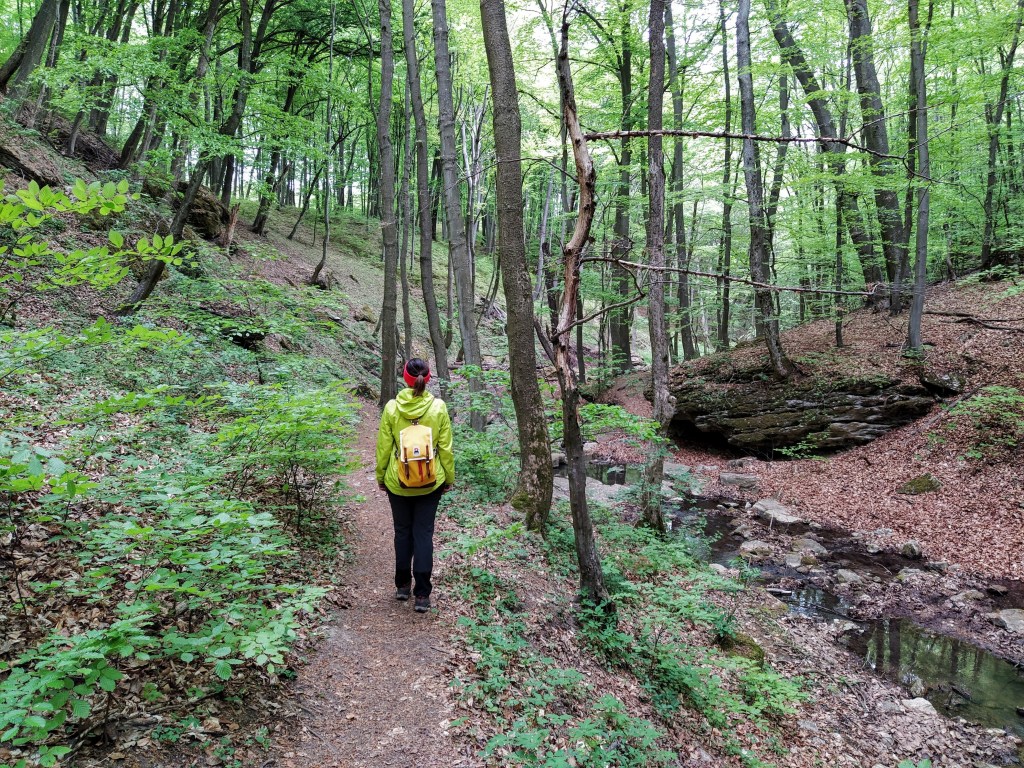
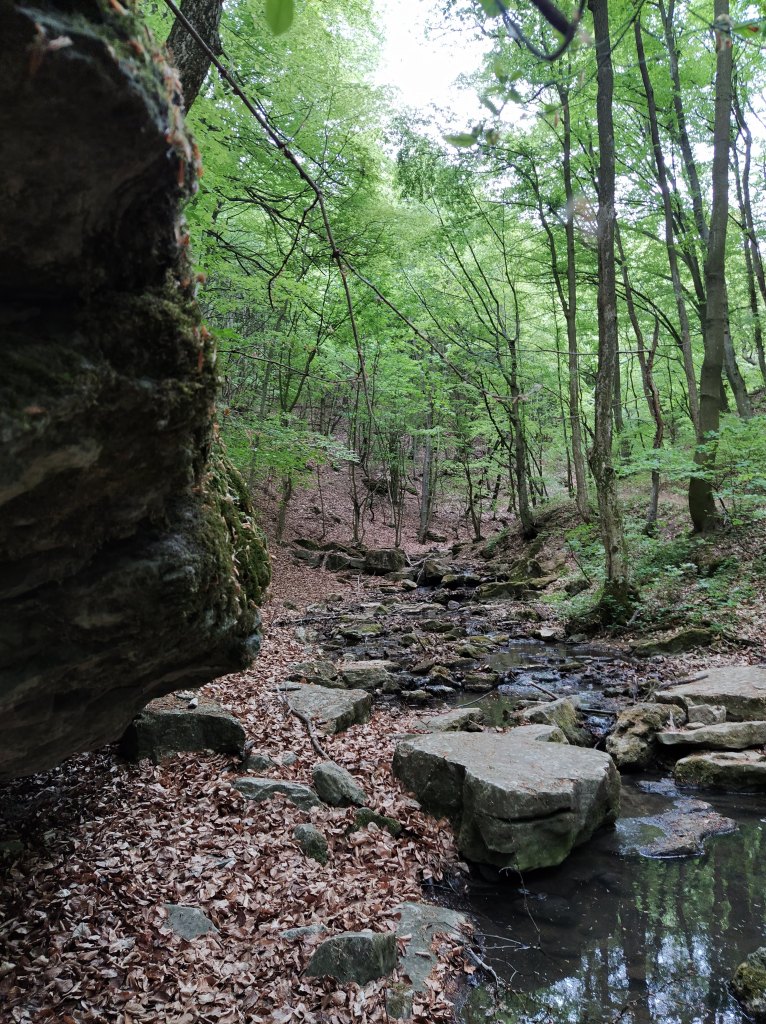
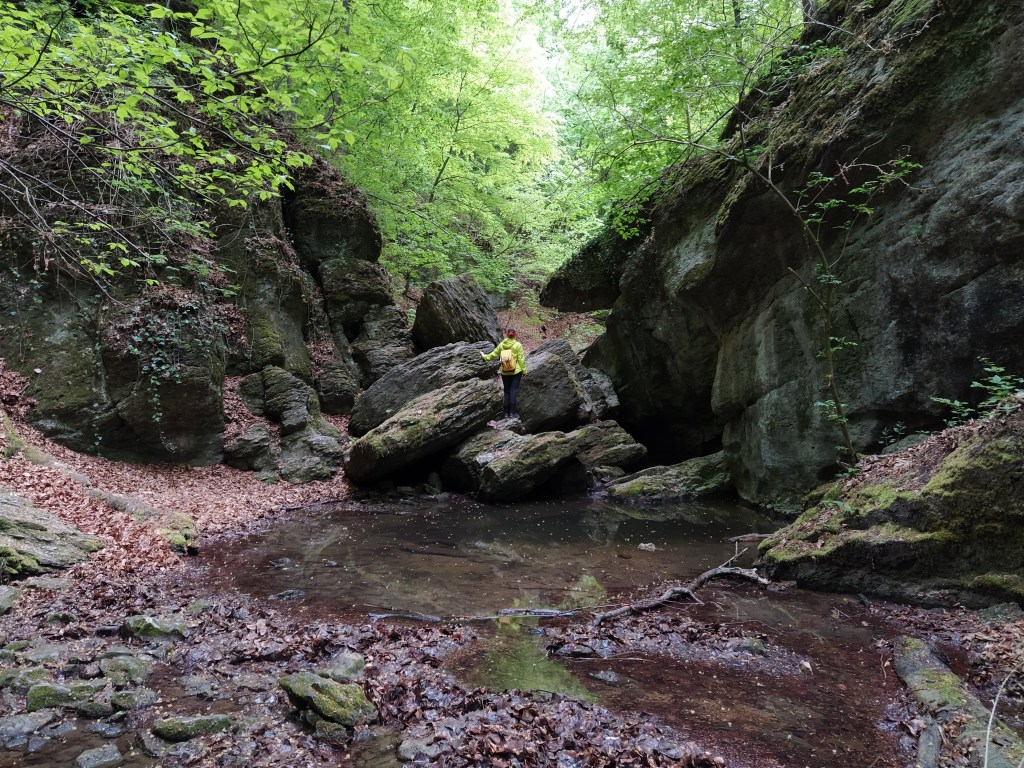
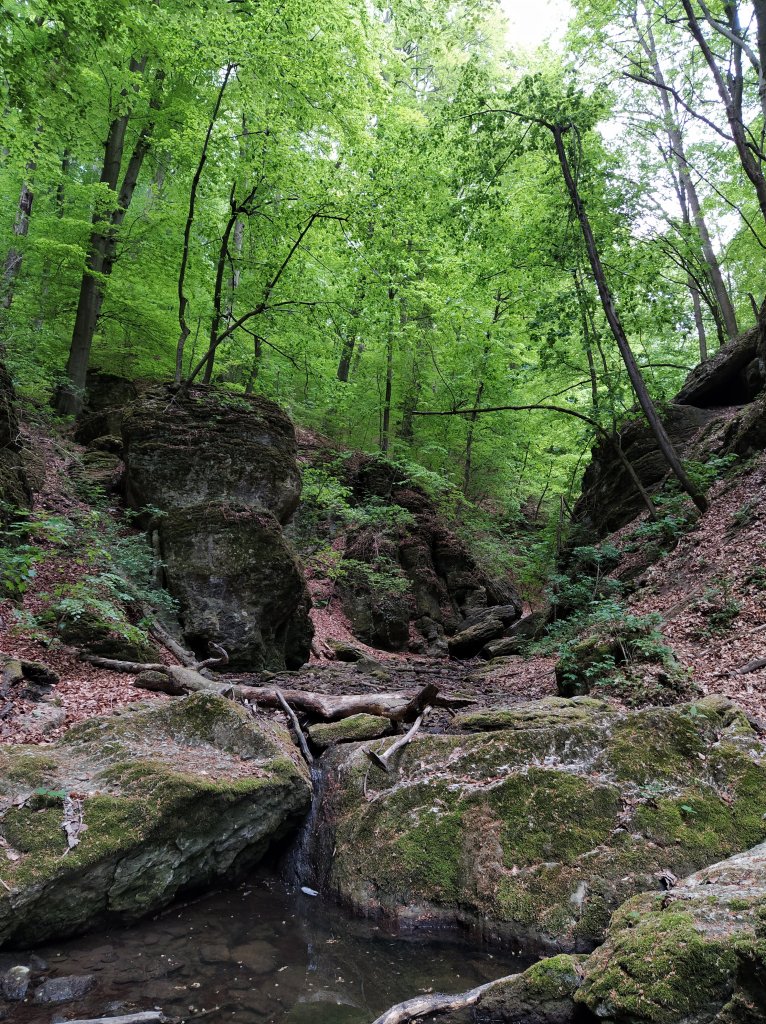
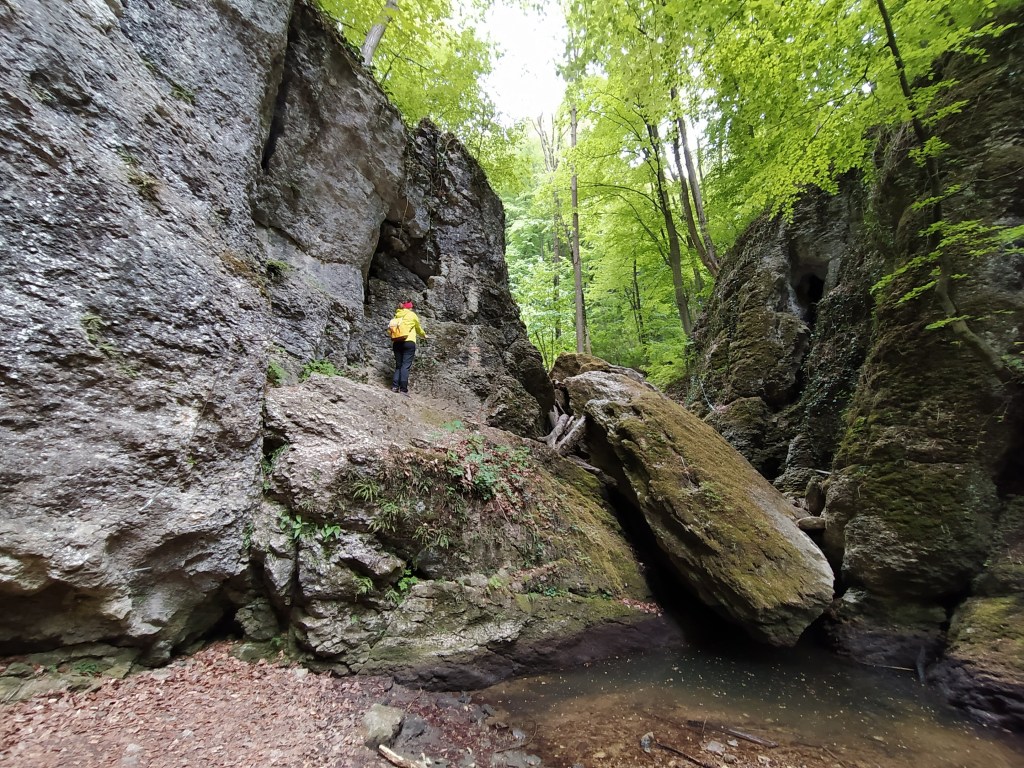
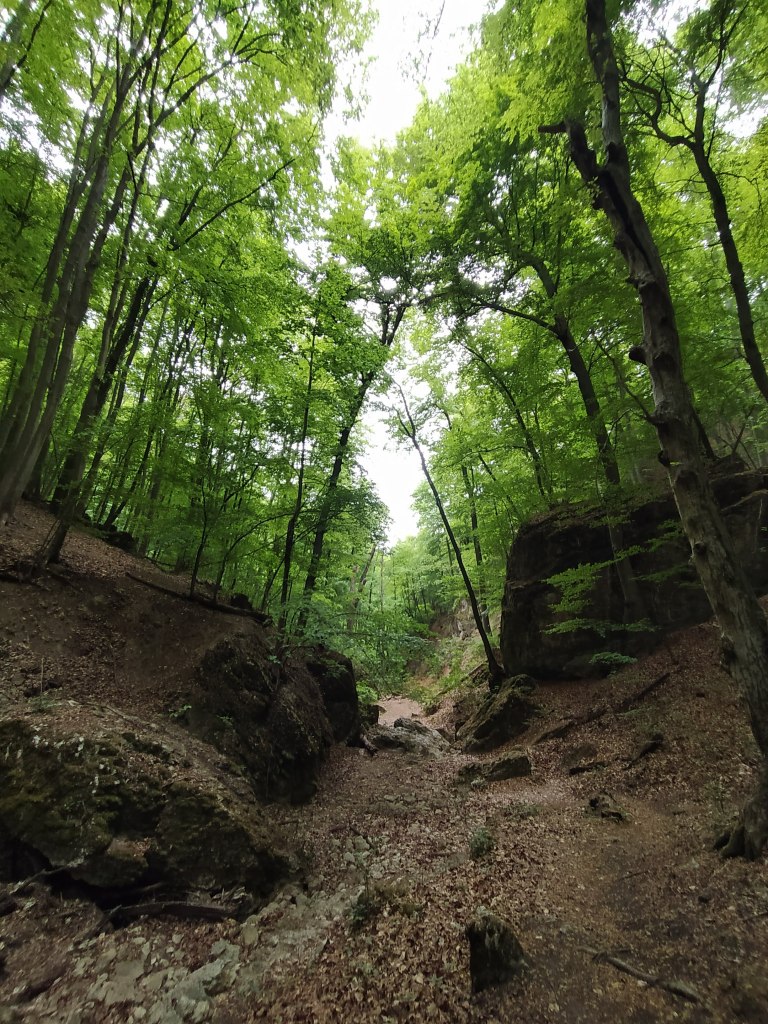
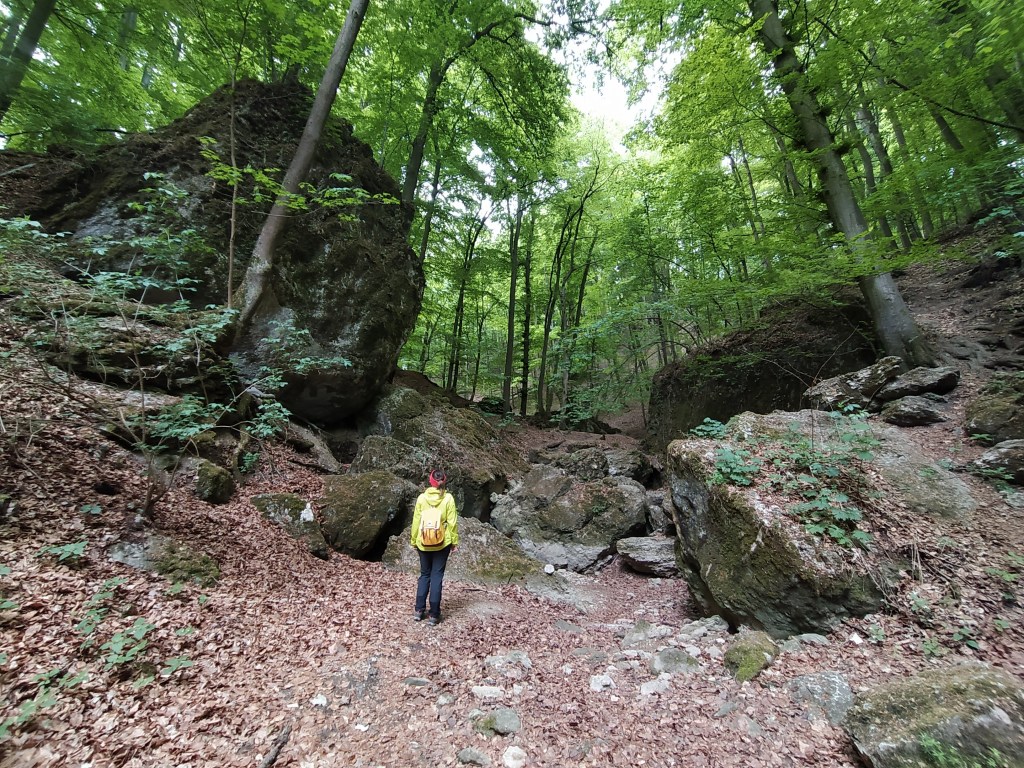
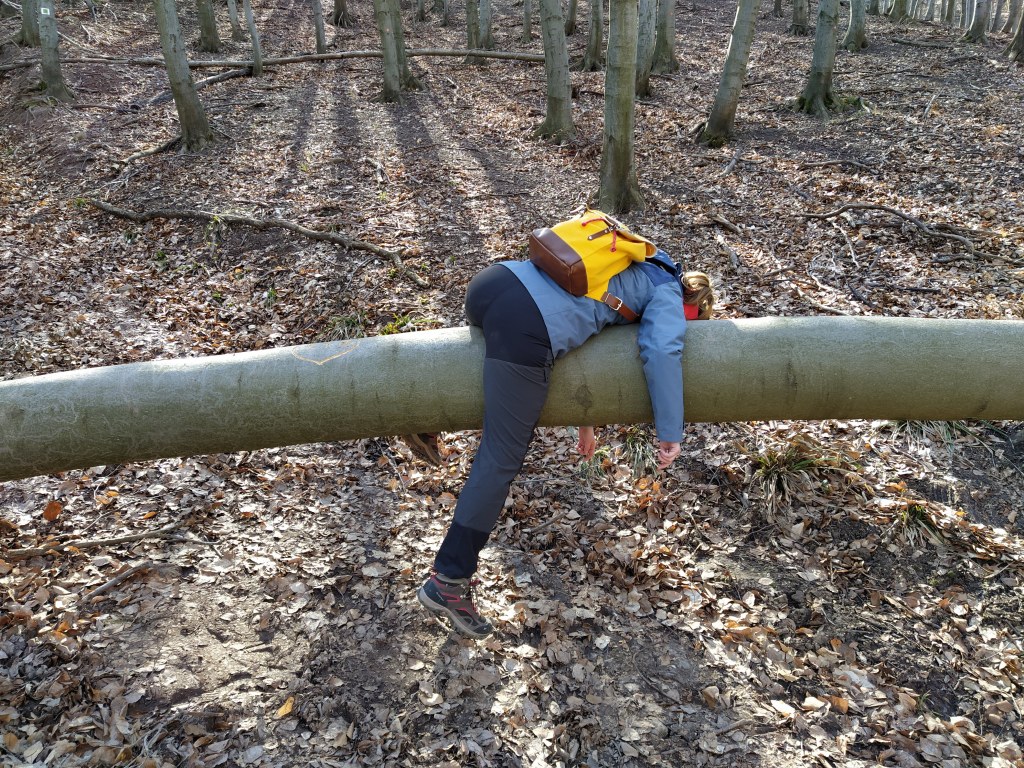
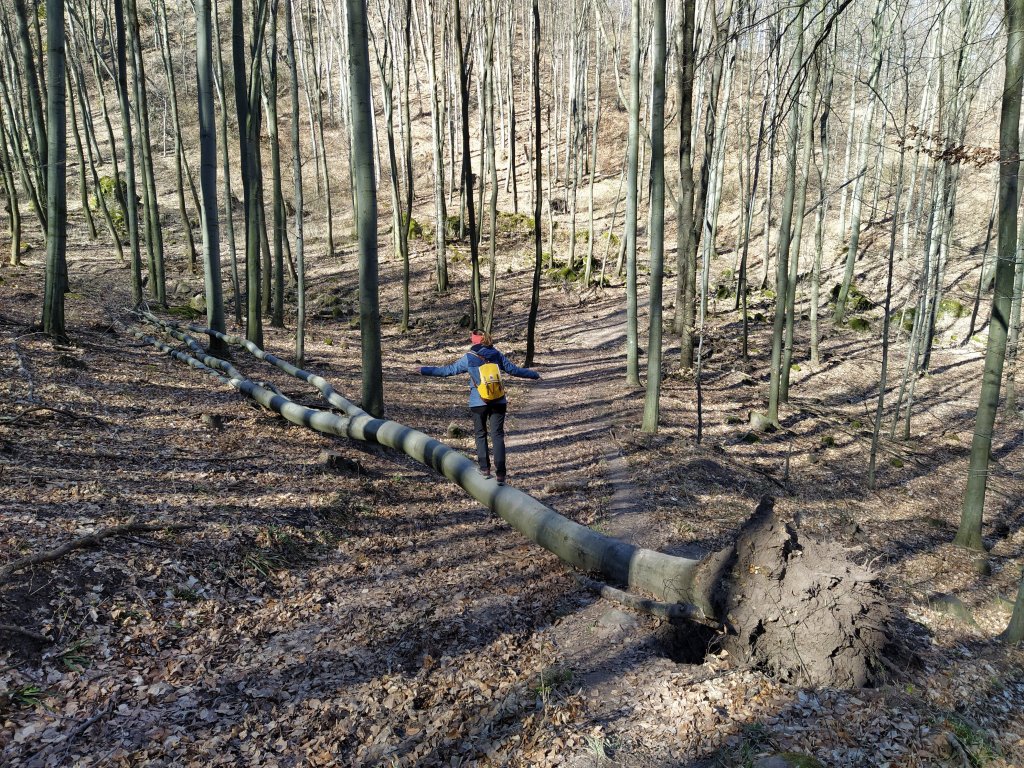
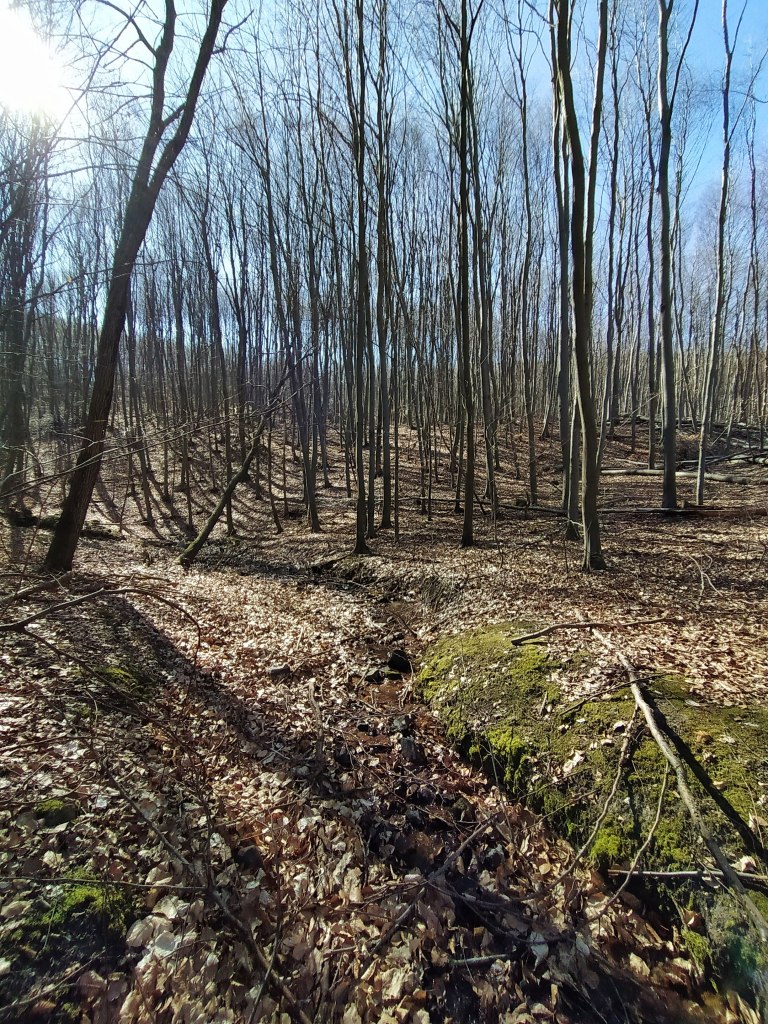
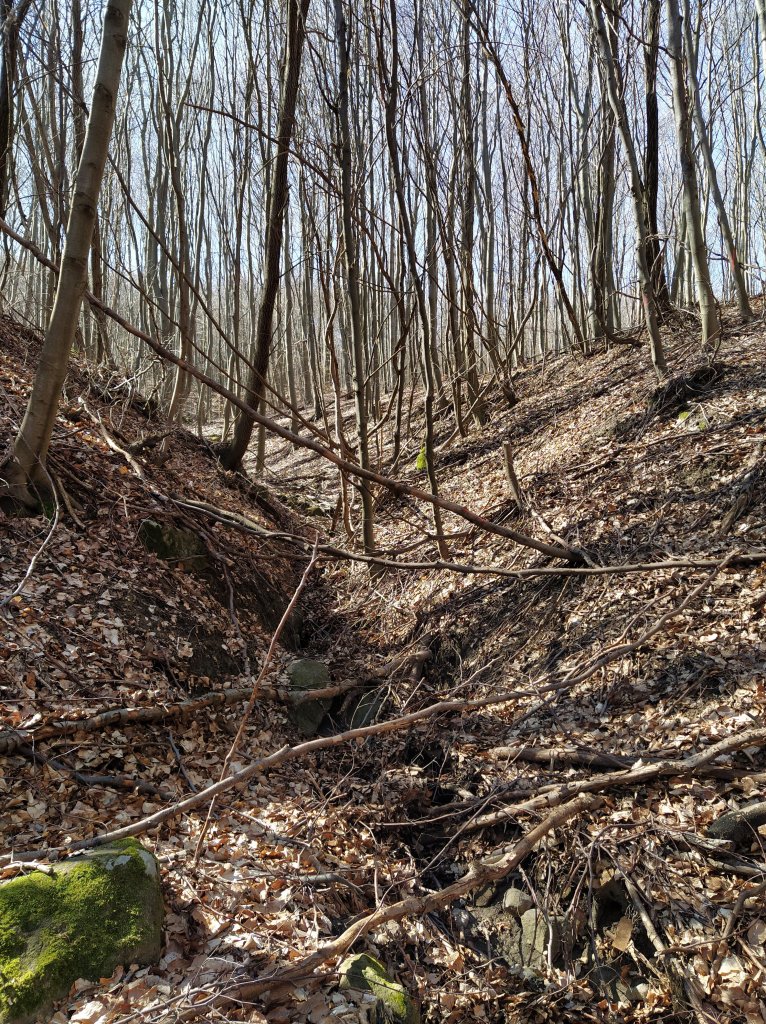
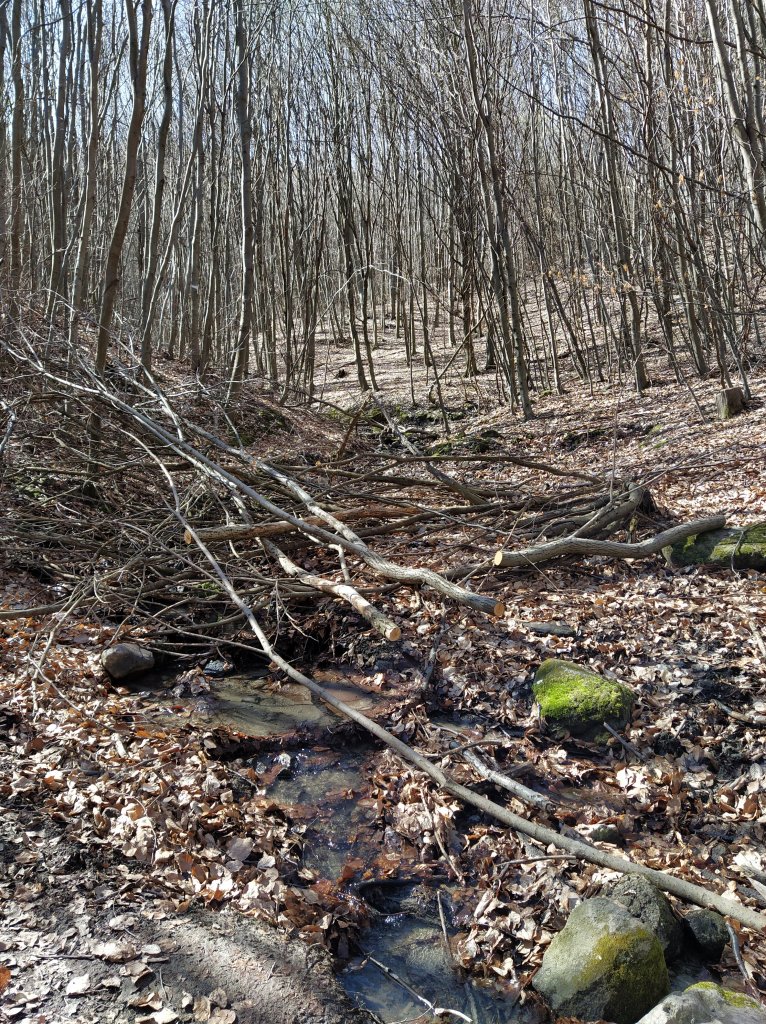
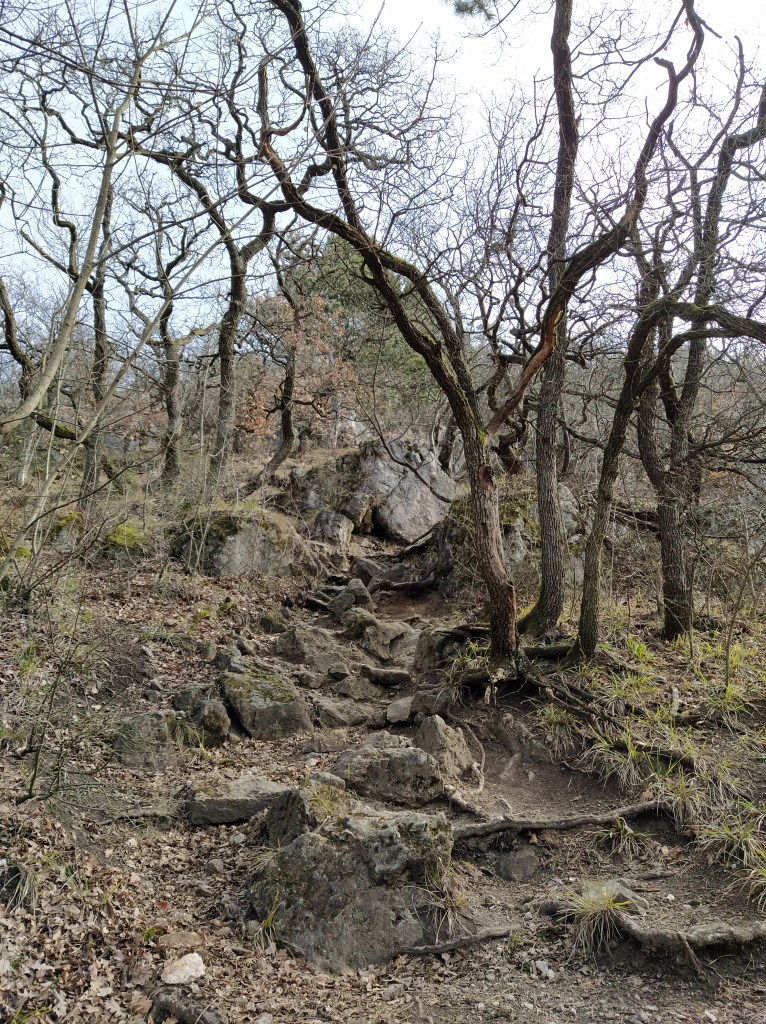
Walking along the ravine is quite an adventure, the path is often blocked by a fallen tree and crosses the riverbed many times, so you have to balance on rocks to avoid getting your feet wet. 
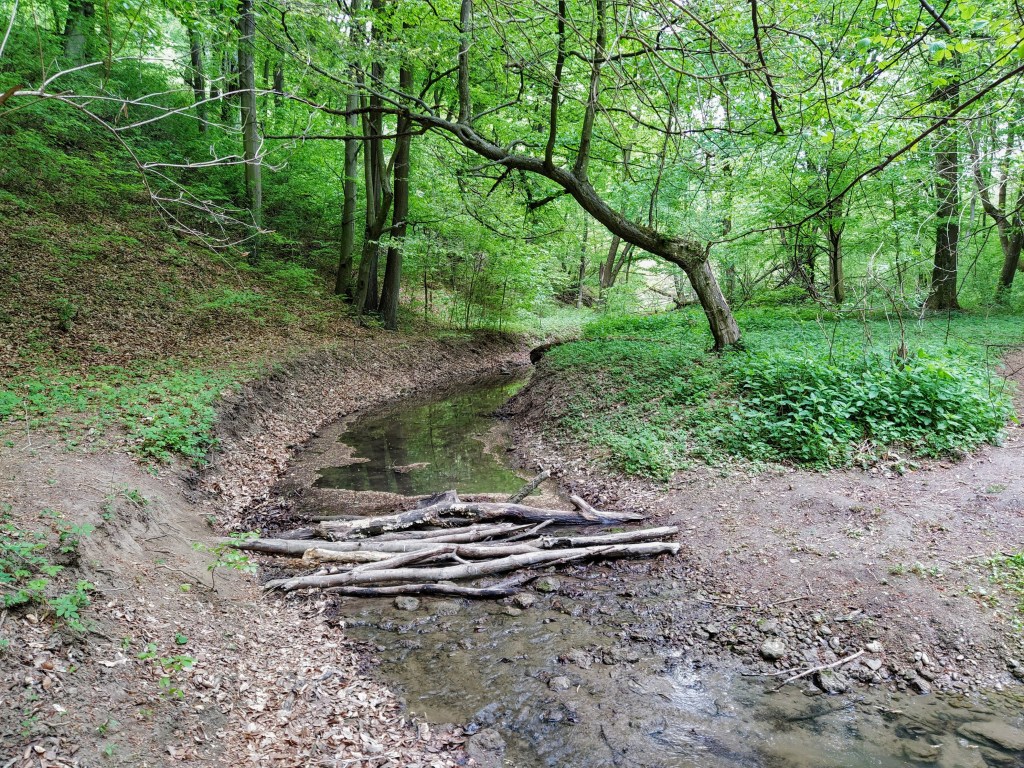

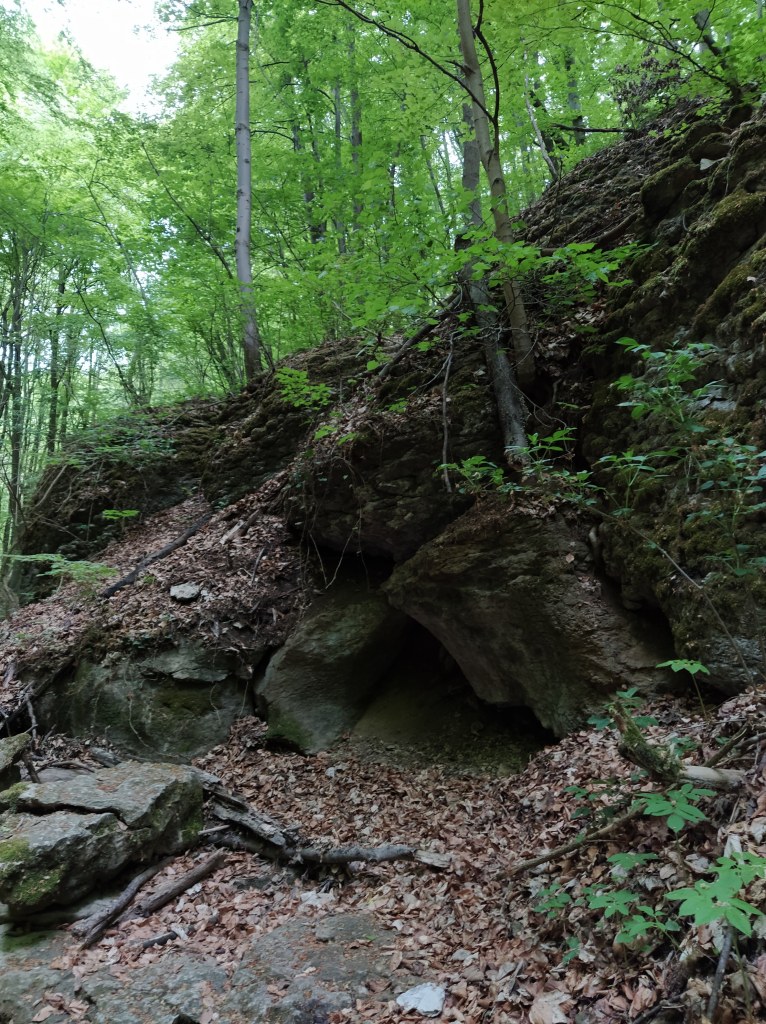
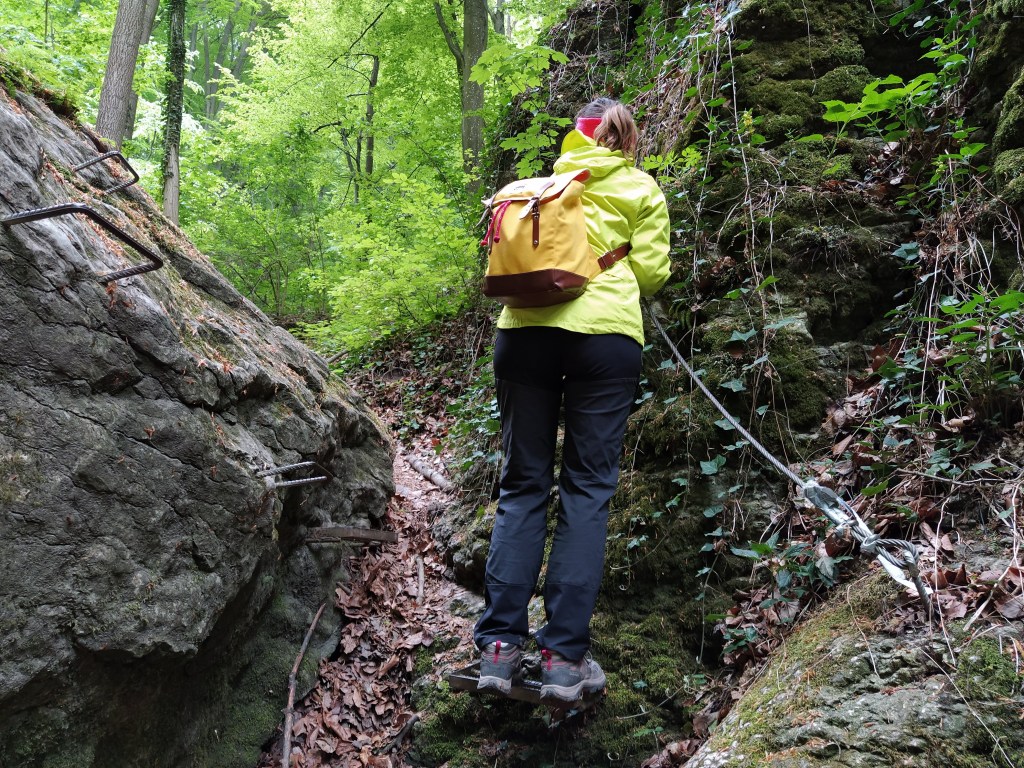
The most challenging part of the creek is the Devil’s Dam. A big chunk of the cliff wall has broken off and formed a natural dam blocking off the path. Iron steps and cables were inserted to facilitate the crossing or there’s a short detour if you don’t want or can’t climb through. Although I’m afraid of heights and not a brave person overall I wanted to cross through the Dam for sake of adventure and to prove to myself that I can.Oh boy, it was not a smooth ride, if not for my boyfriend, I would be still hanging onto the cable (and to my life) on the cliff wall. I was thinking of doing a little via ferrata lately, but it looks like this project will stay on the theoratical plane in the foreseeable future. 
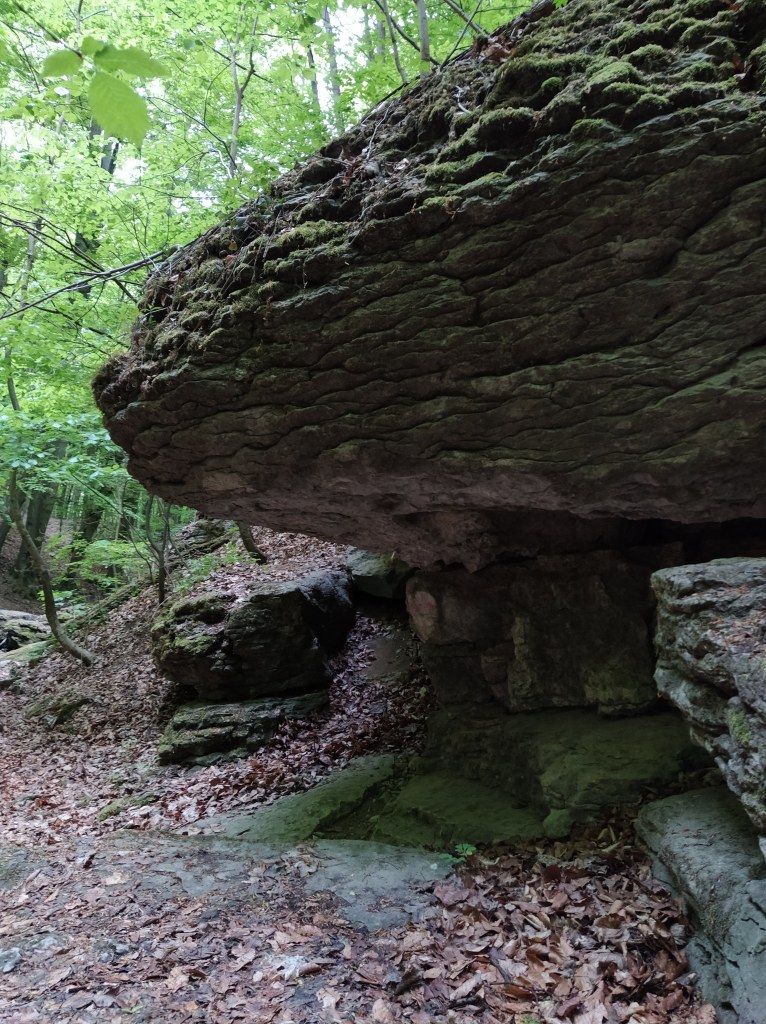
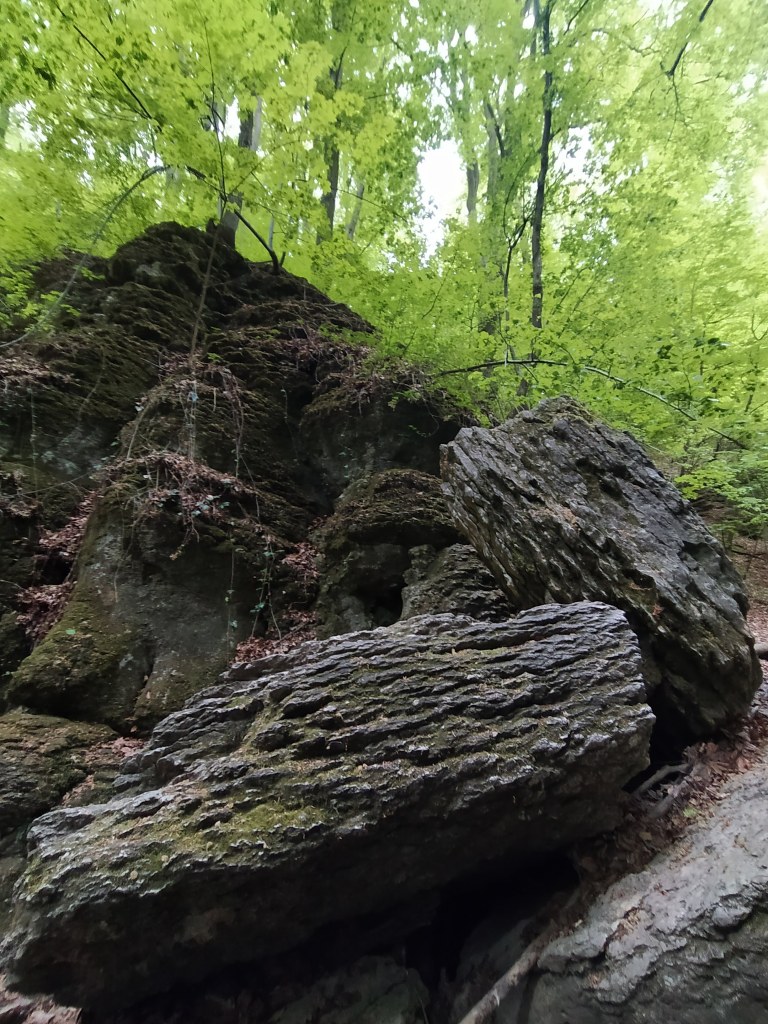
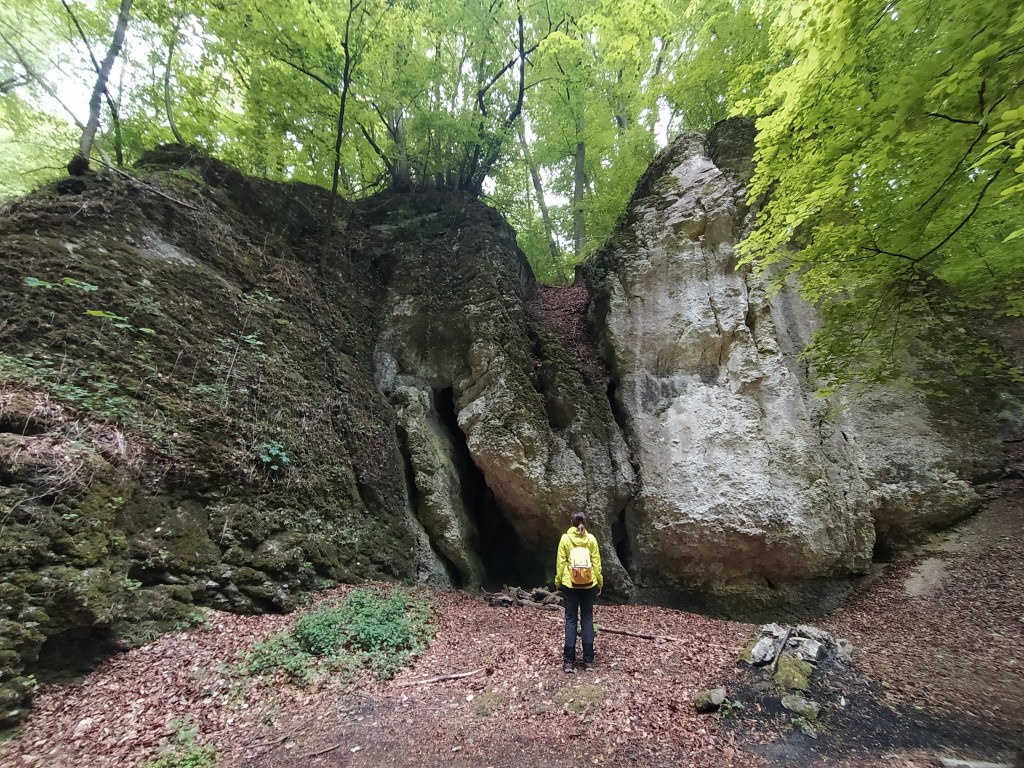
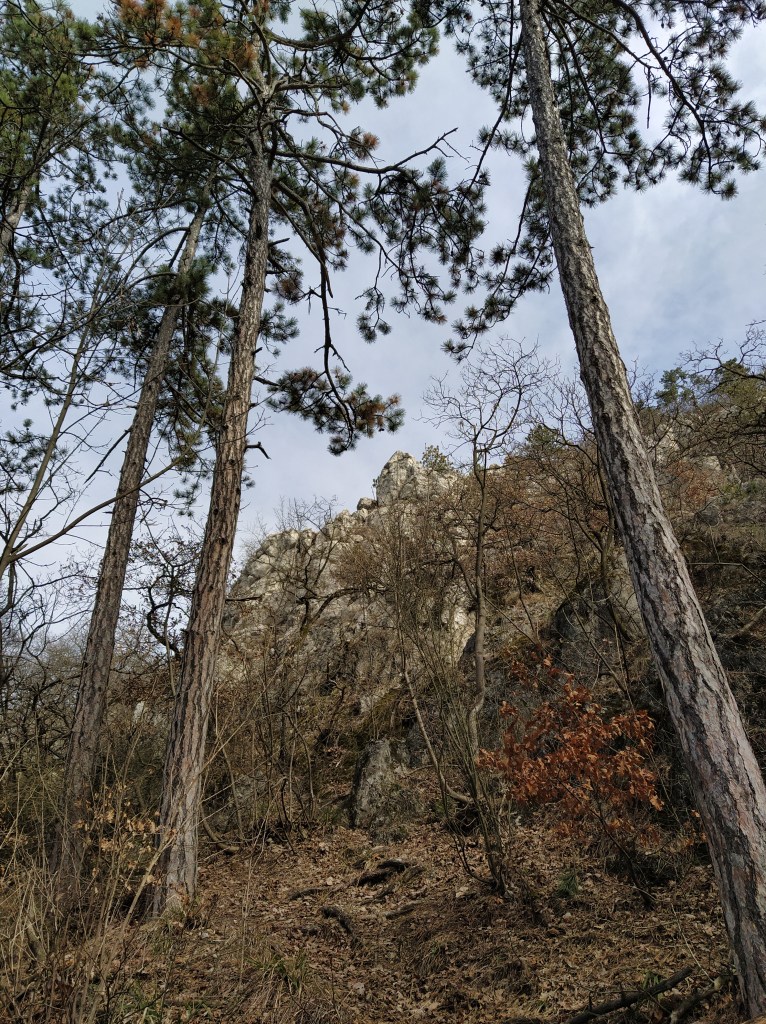
The gorge had an ancient athmosphere and I felt so little and inconsequential compared to the great rocks, formed by unimaginable forces a long, long time ago. 
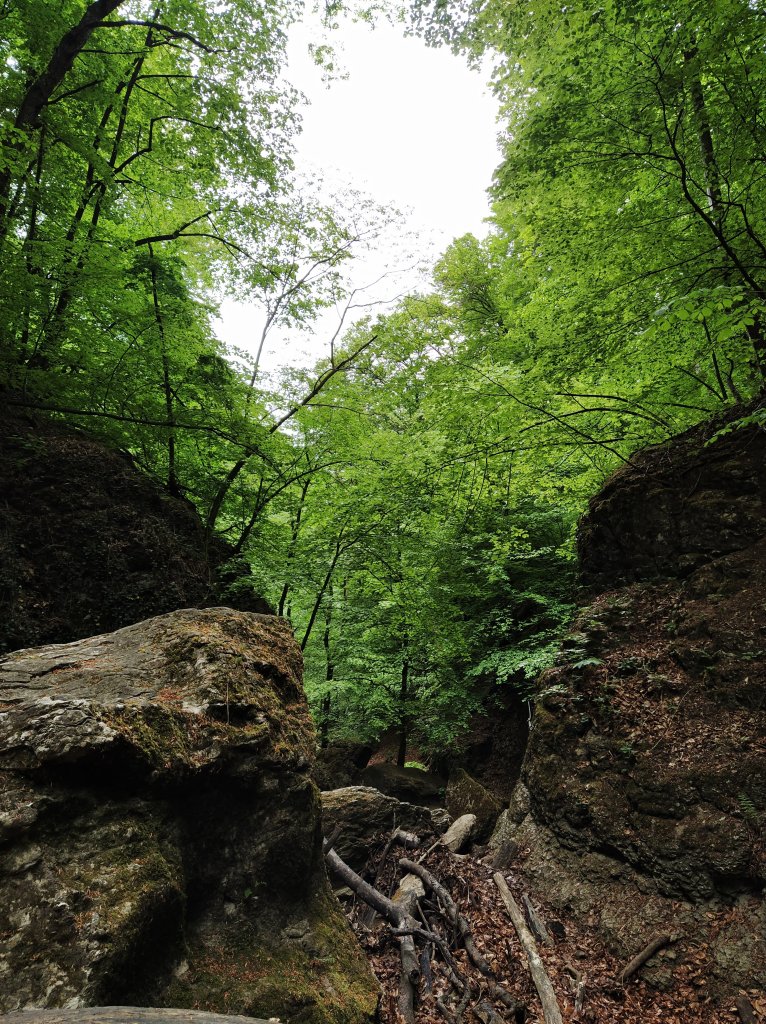

I really loved this outing, I can understand why this is called one of the most picturesque ravines in Hungary. Give it a try if you can. 
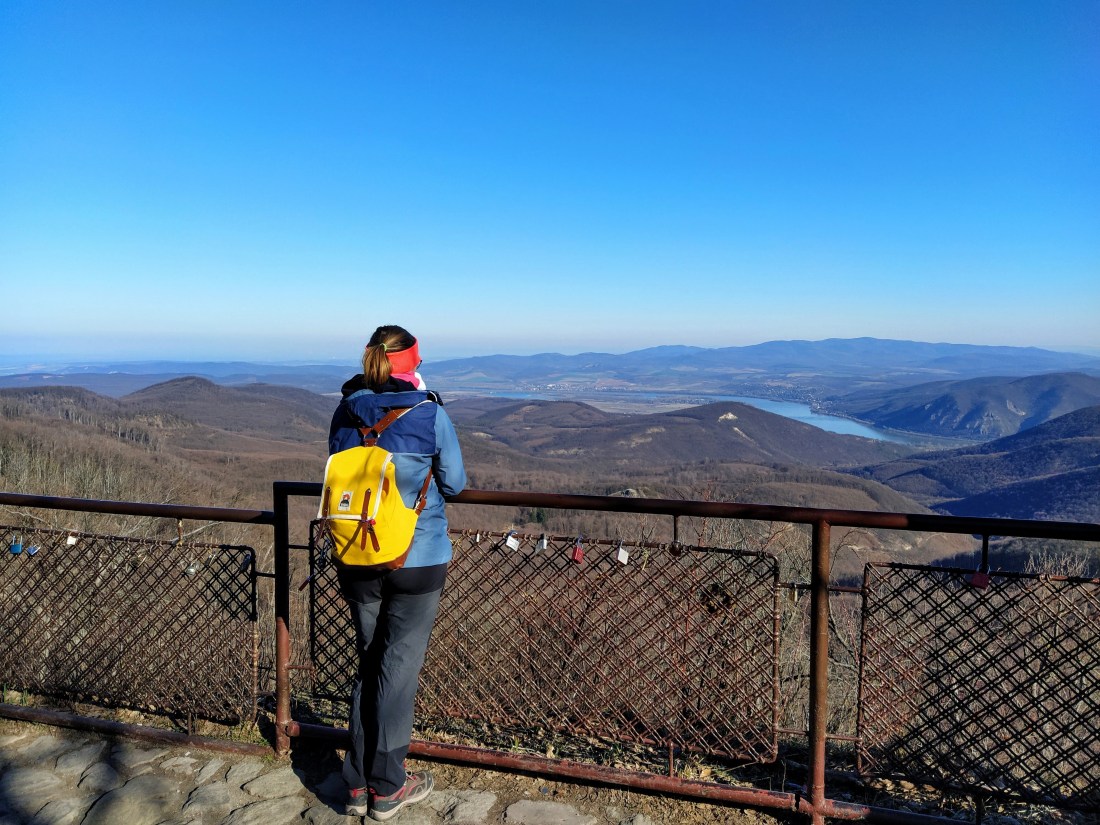
Dobogó-kő – The beating heart of the Earth

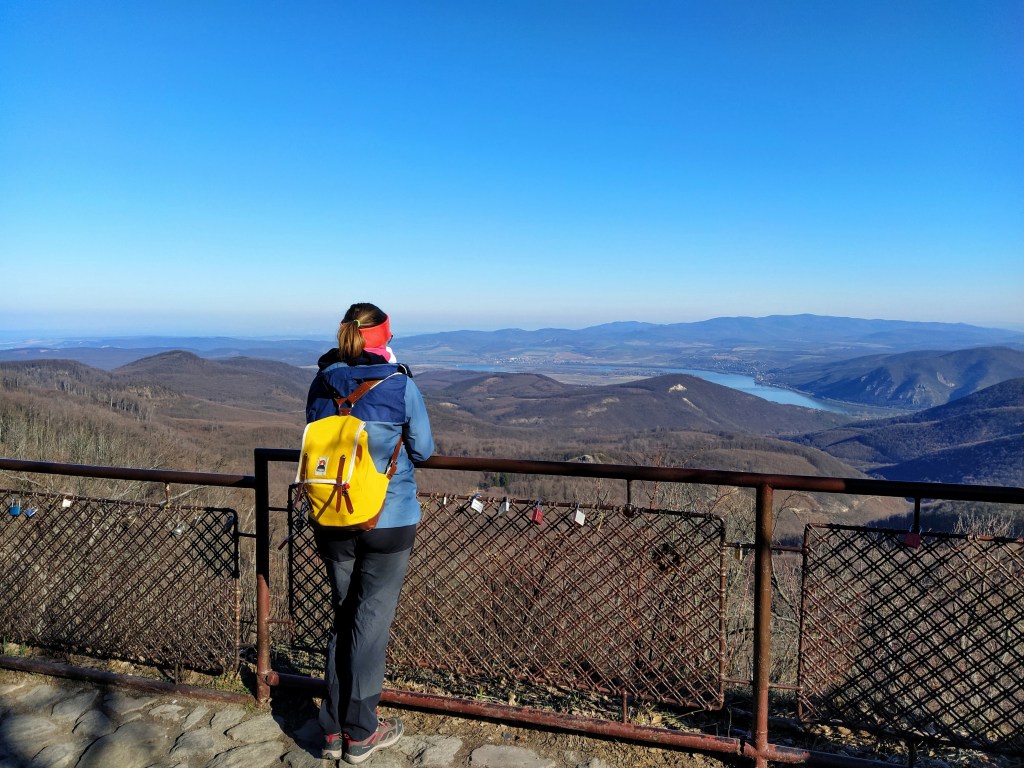
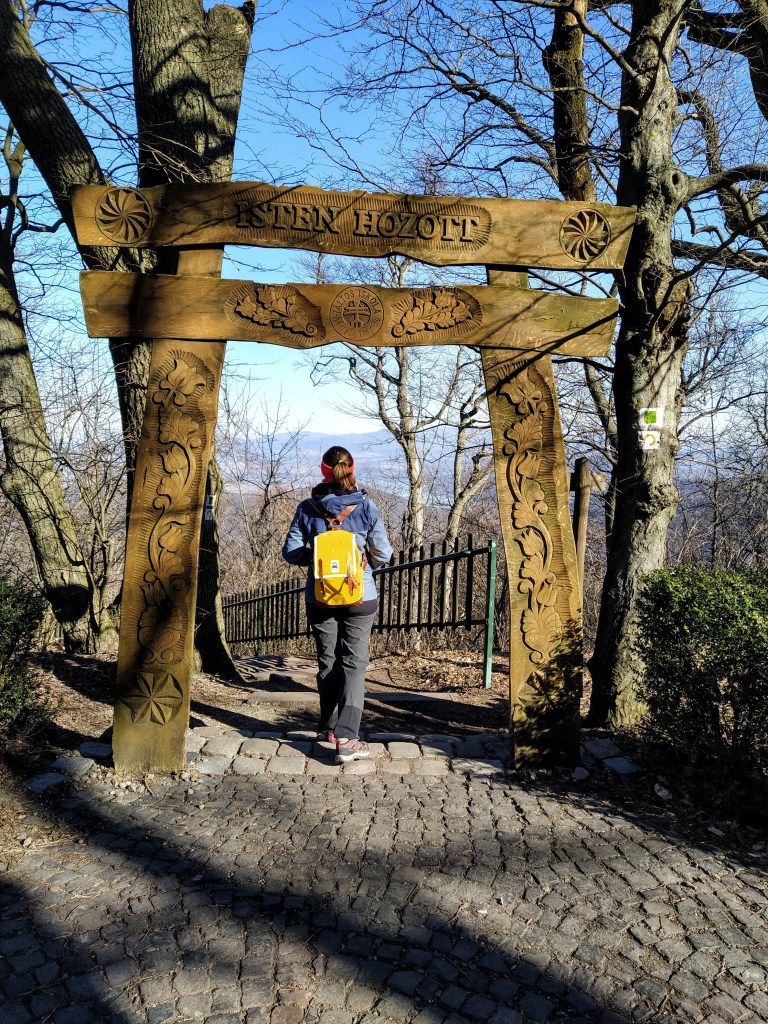
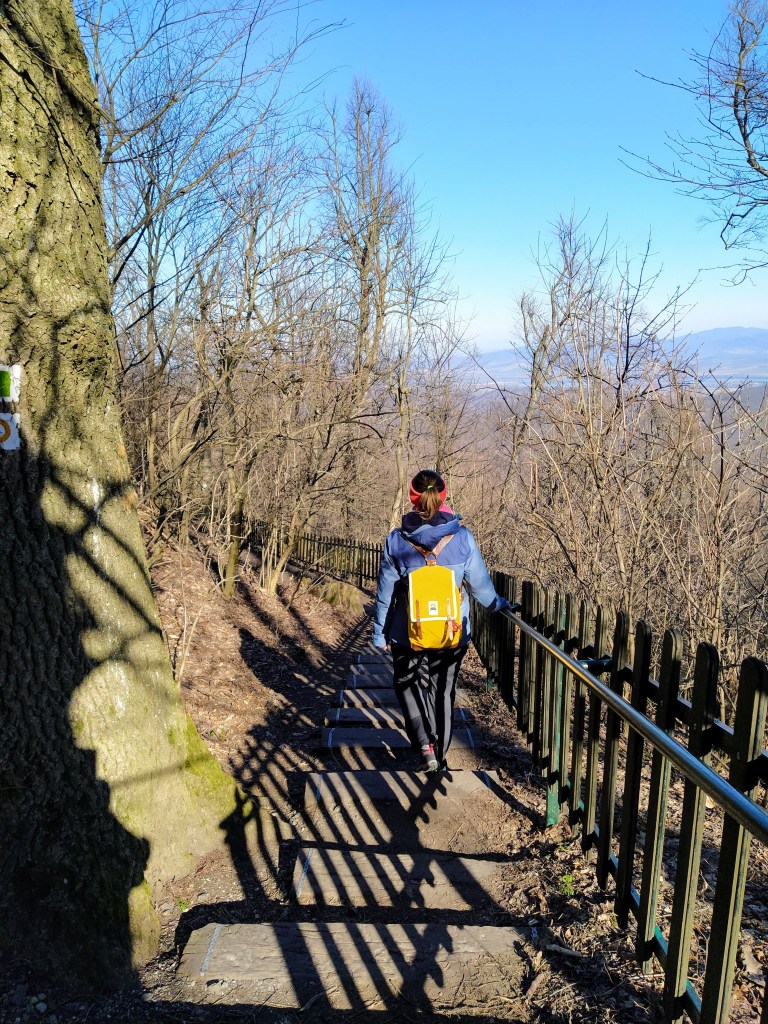
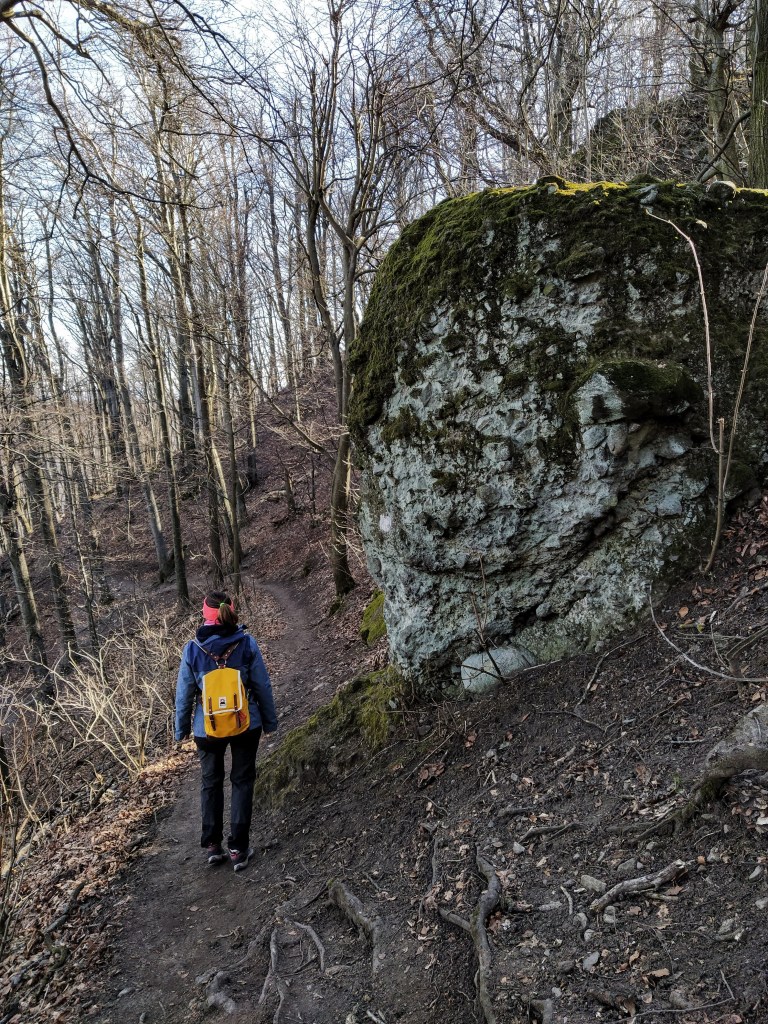
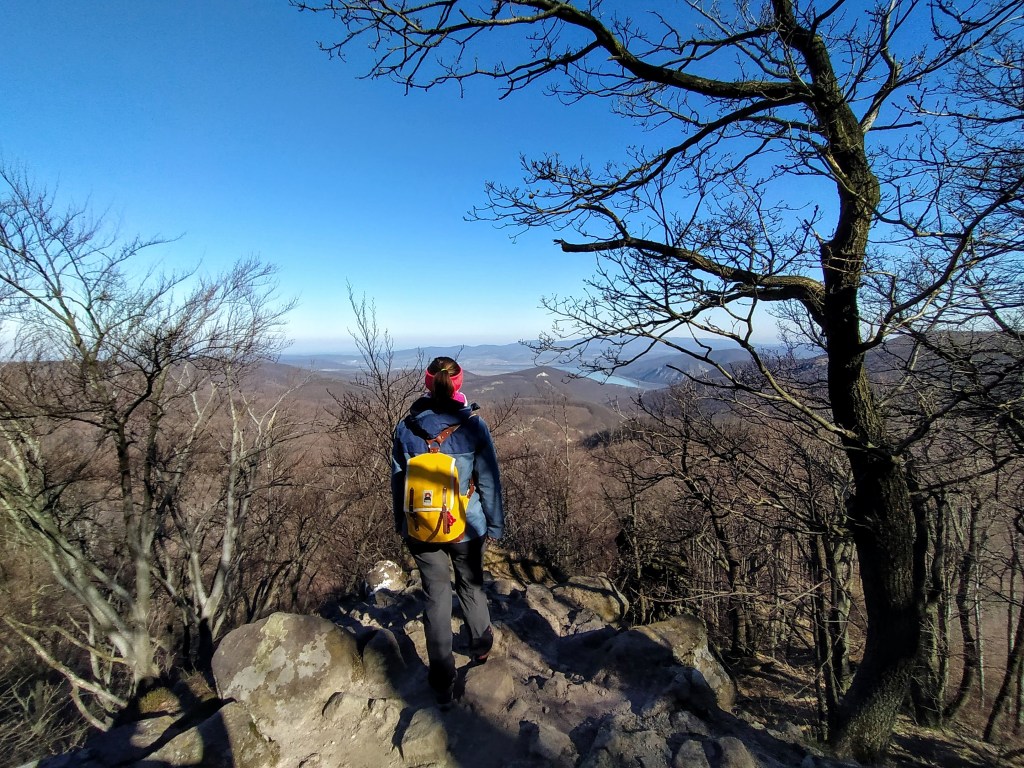
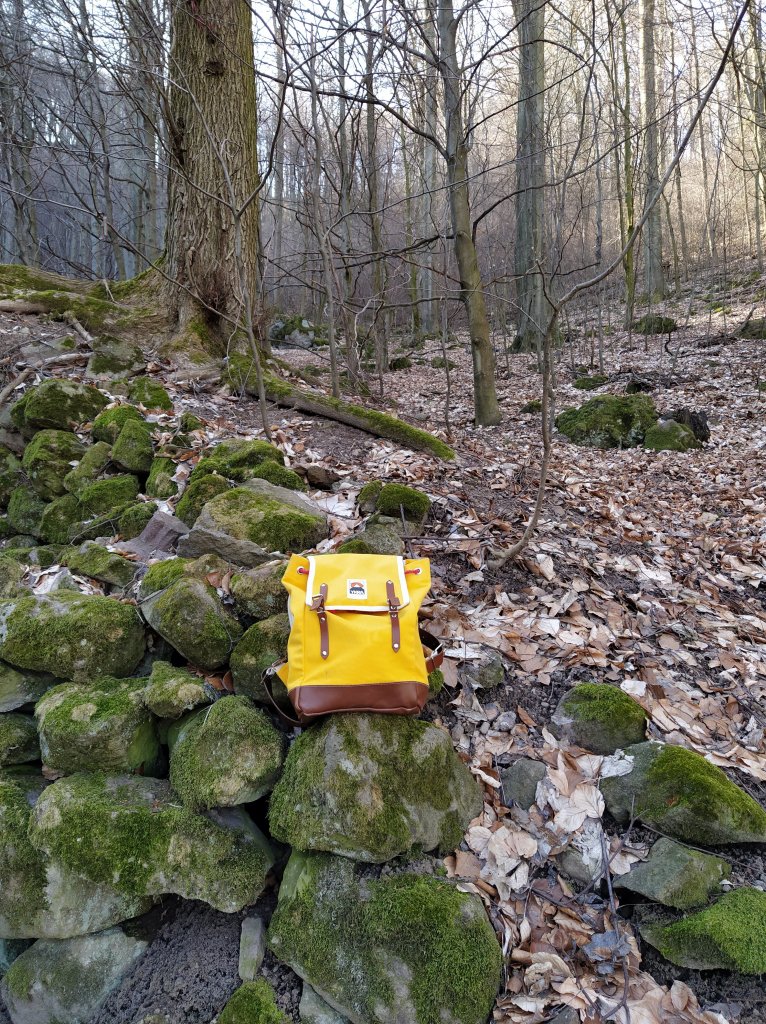
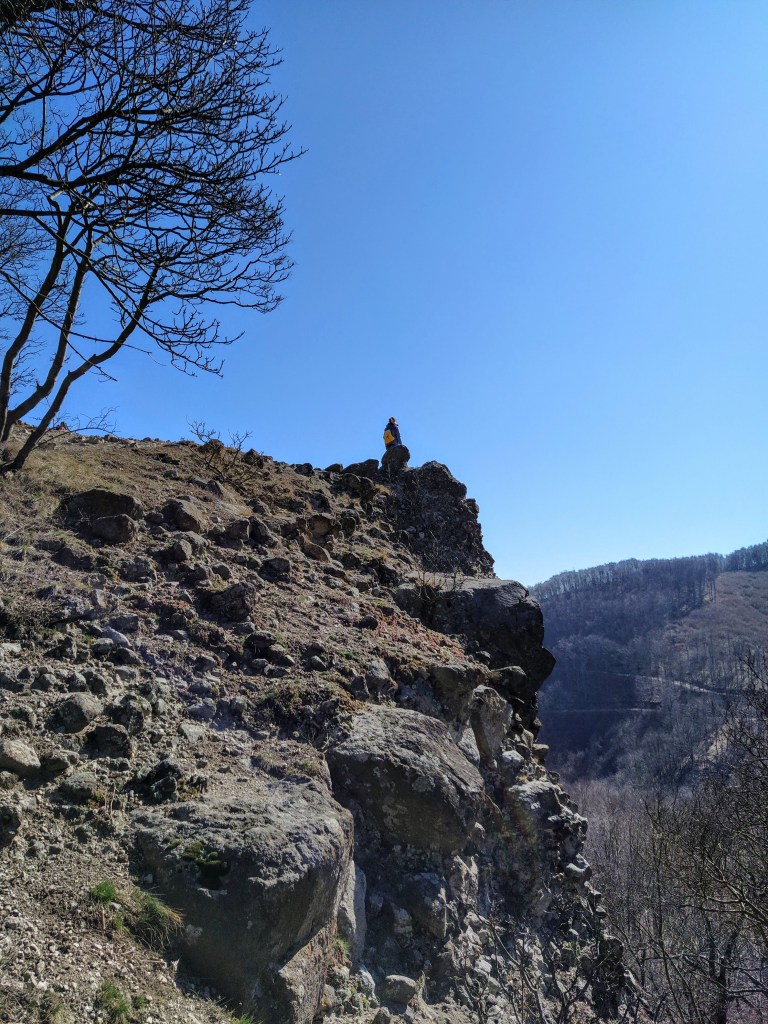
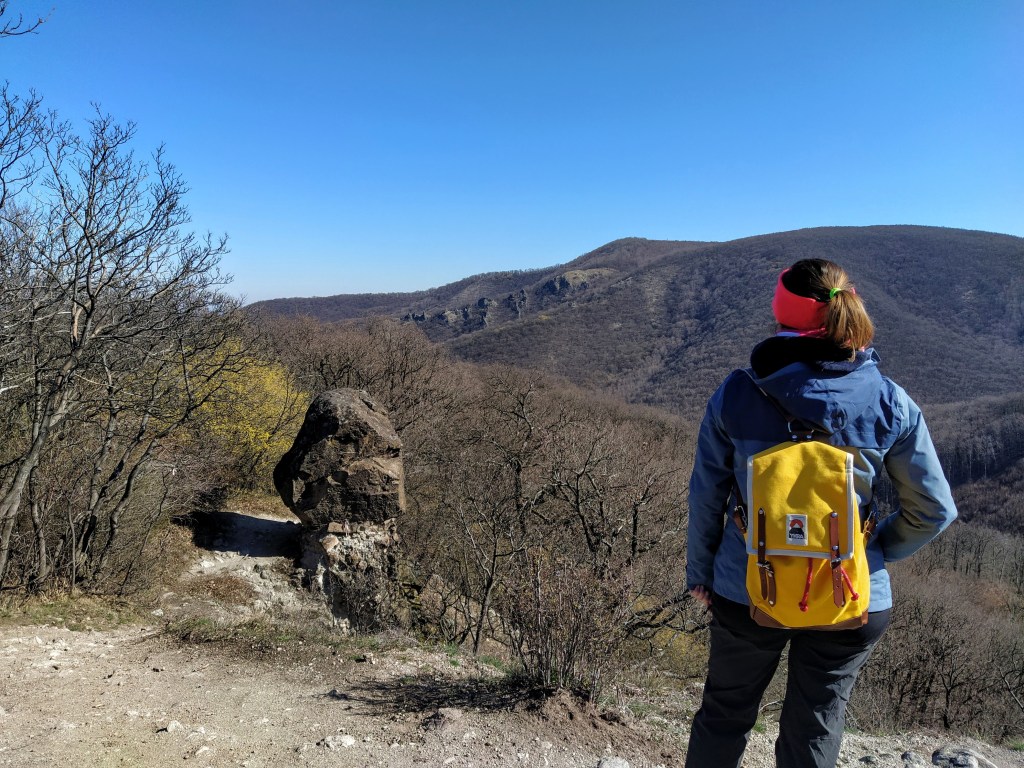
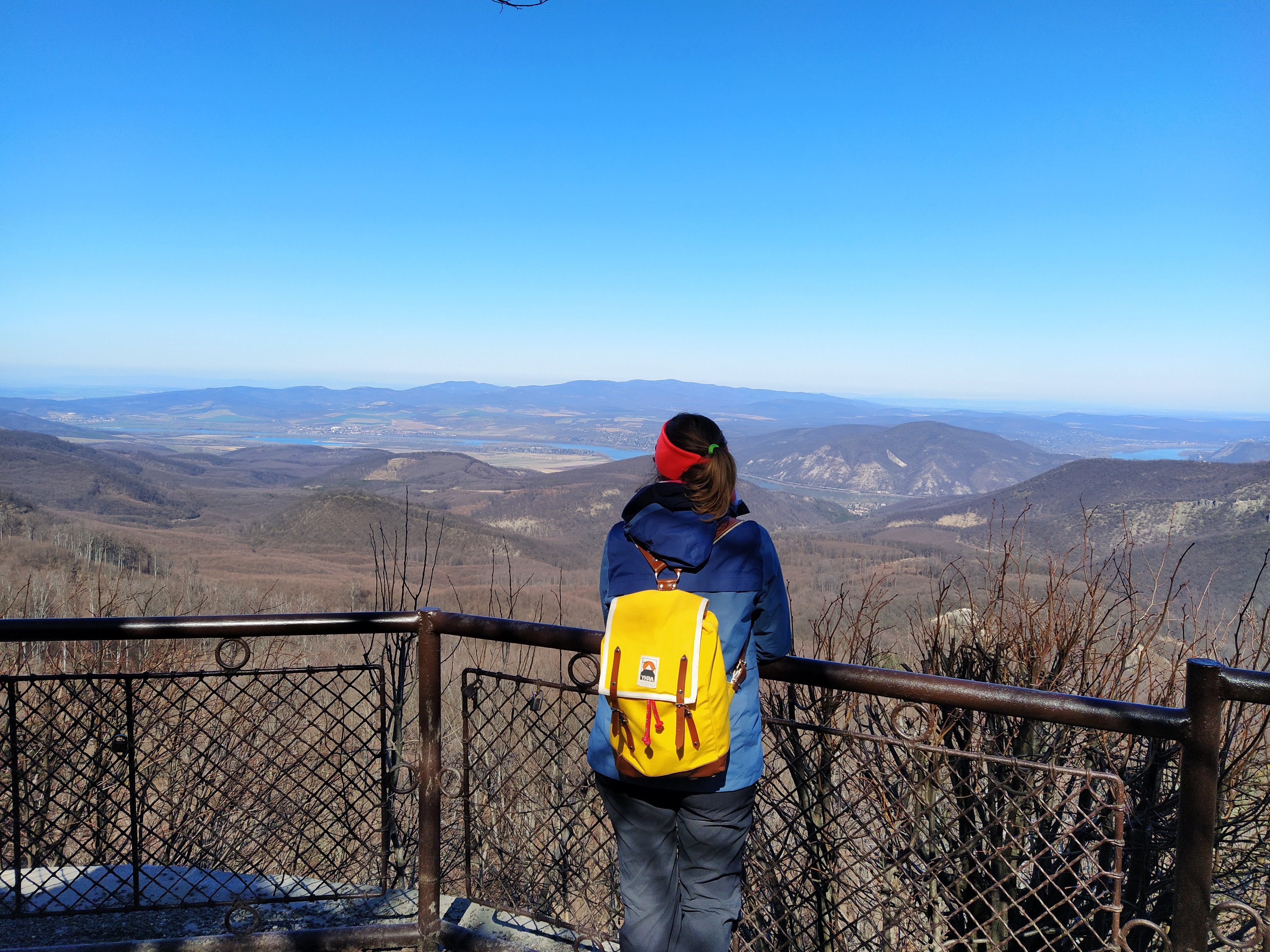
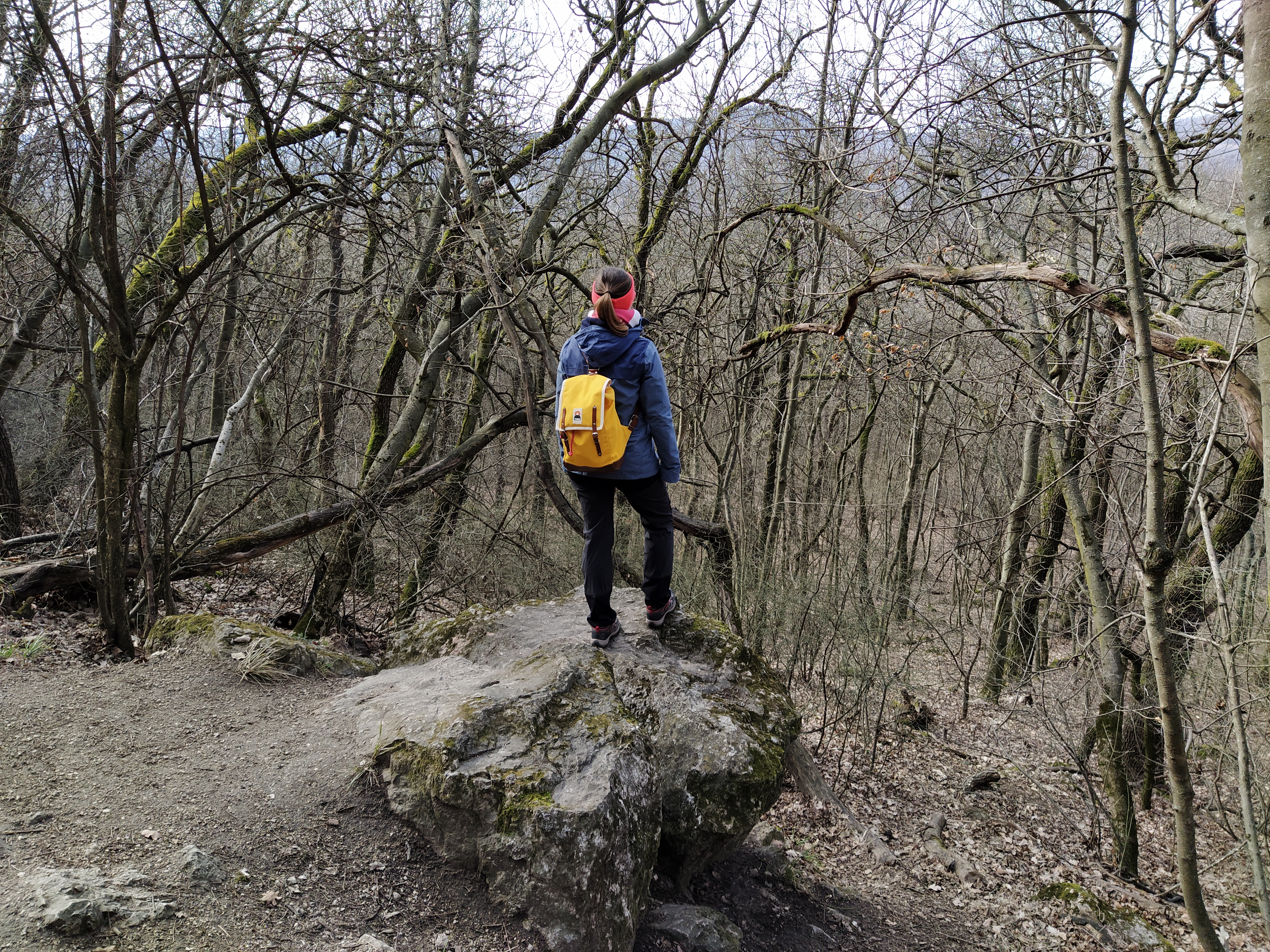
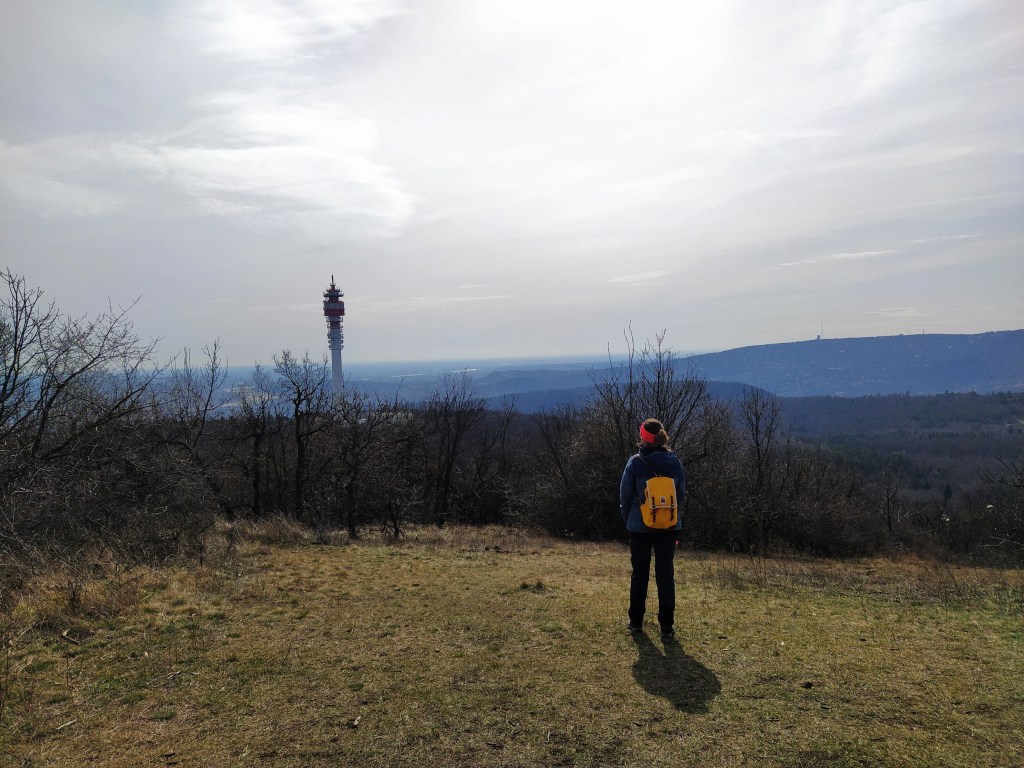
Yellow backpack and the view from Dobogó-kő

On a crisp March Sunday morning we set out to conquer Dobogókő and the surrounding area.As this is a popular destination during the weekends, we arrived early to avoid the crowds. We were not wrong in our thinking, in the morning we had the whole place almost to ourselves, later when we got back it was swarming with people.
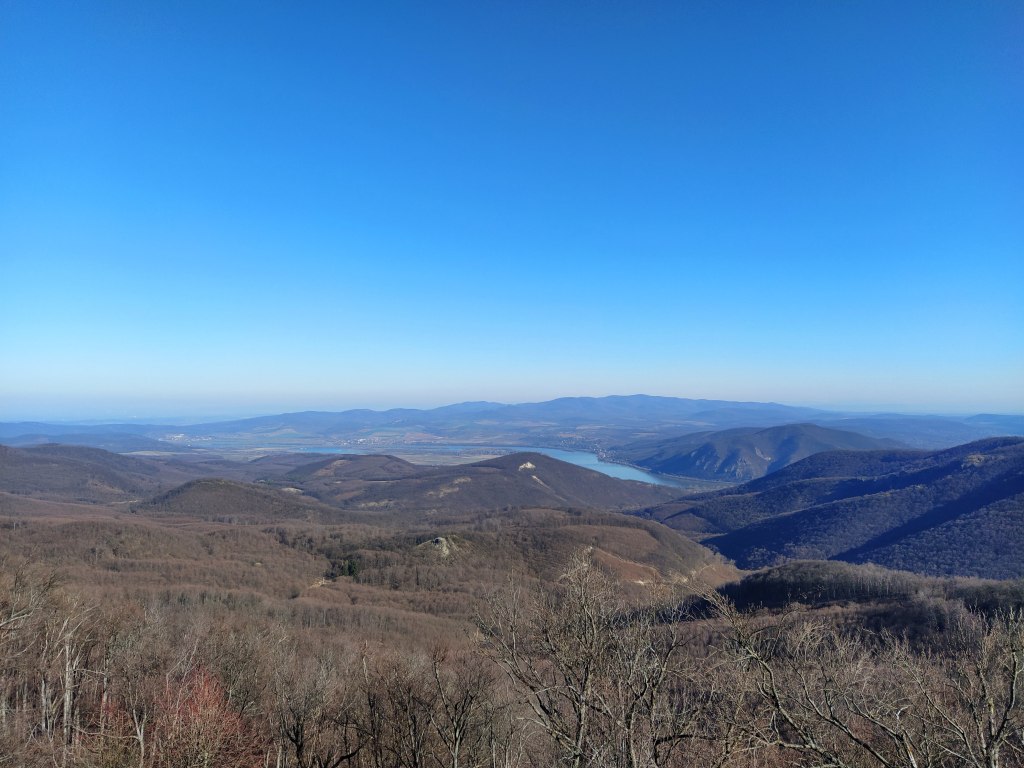
Dobogó-kő with a hyphen (in literal translation Beating Stone or Stage Stone) is the highest peak of the Visegrádi mountains and of the Danube band with 699 meters. On a clear day one can see as far as the Tatras in Slovakia.
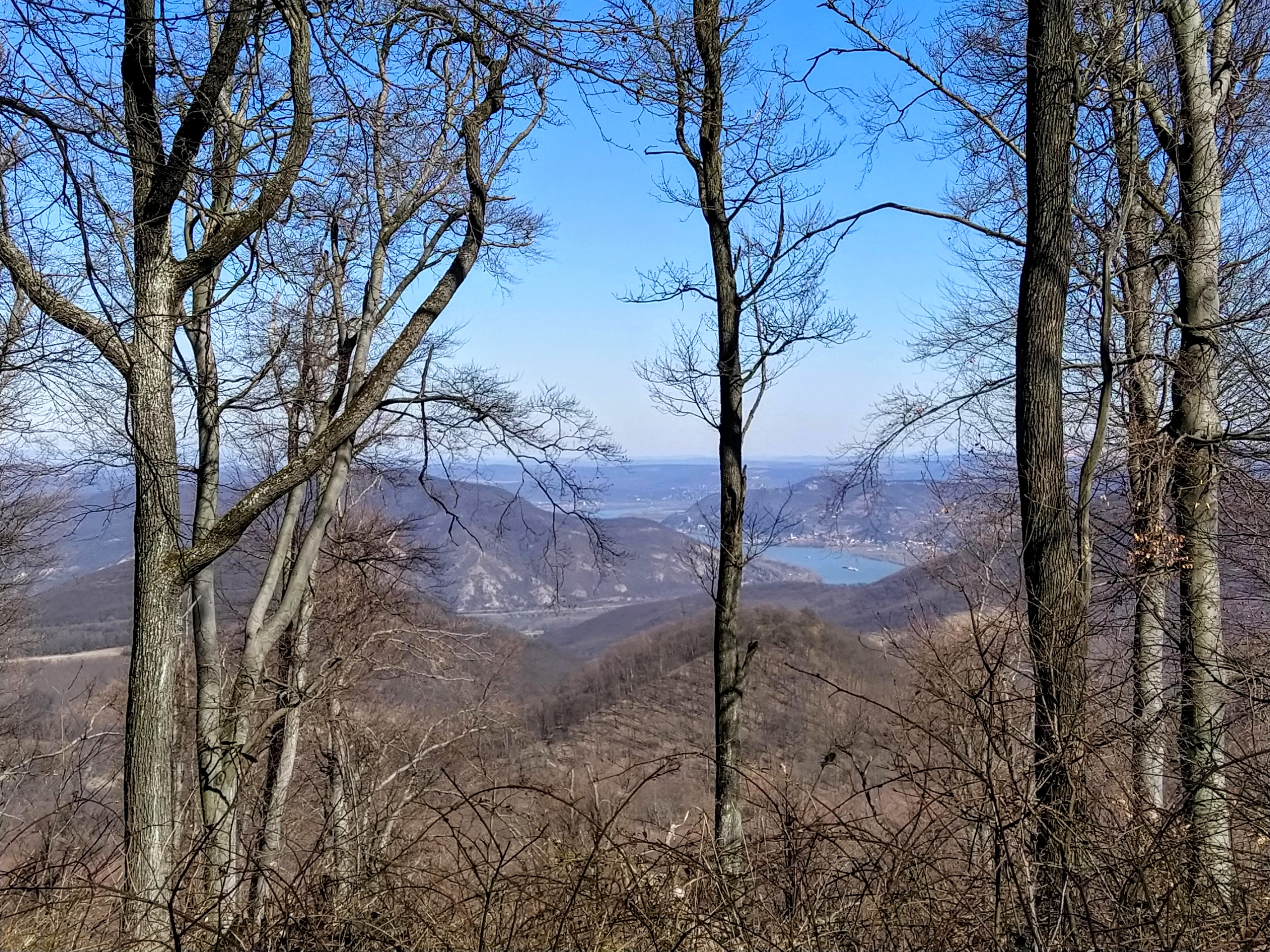
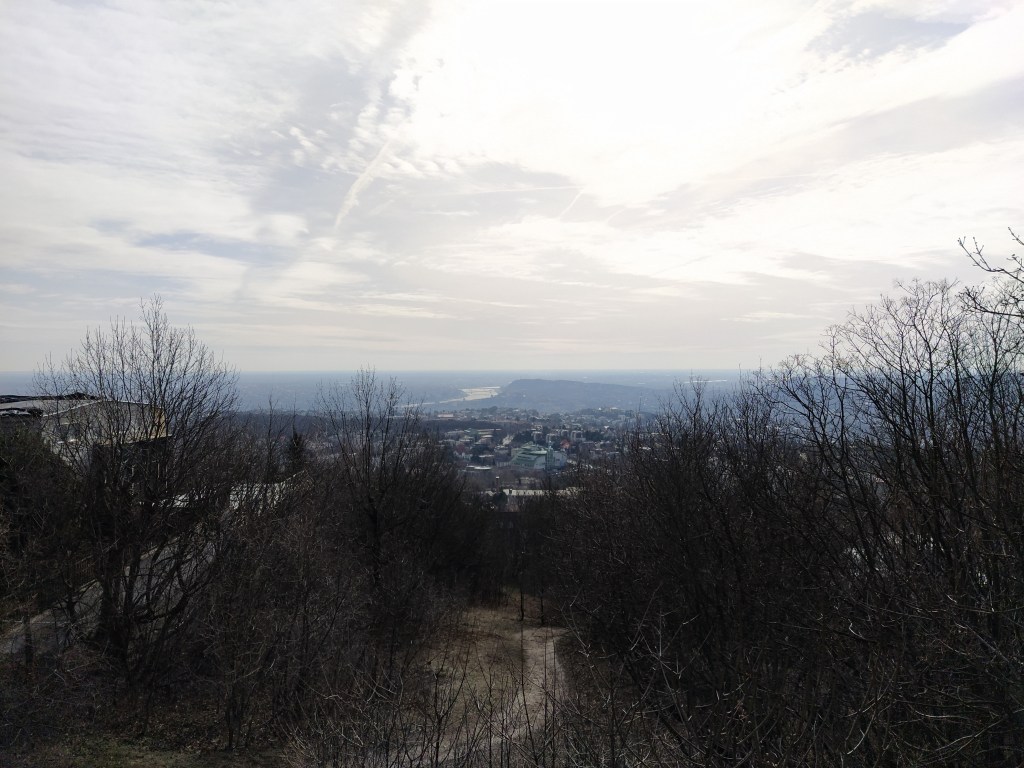
It’s unclear where the naming comes from, some say it’s a natural podium to gaze around, according to others, the Earth’s heartbeats can be heard from here. Naming aside, there is no doubt about one thing: the view of the surrounding mountains and the ribbon of the Danube river, paired with the unbelievably blue sky is absolutely breathtaking. I could have spent days there without getting bored of the panorama.

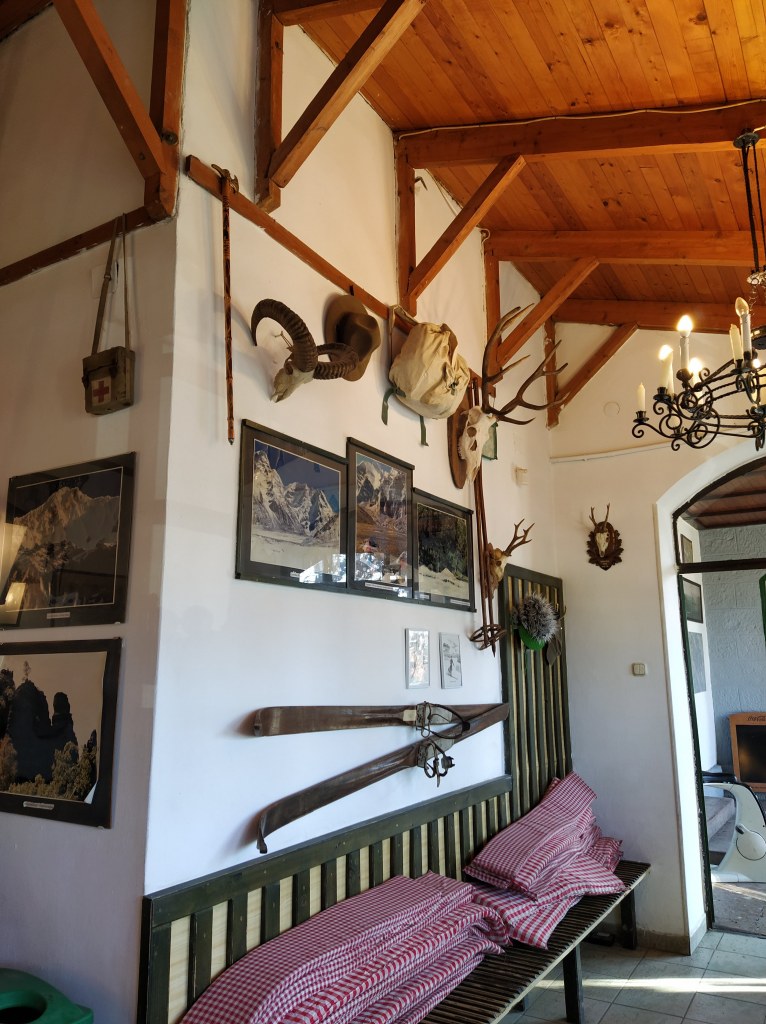
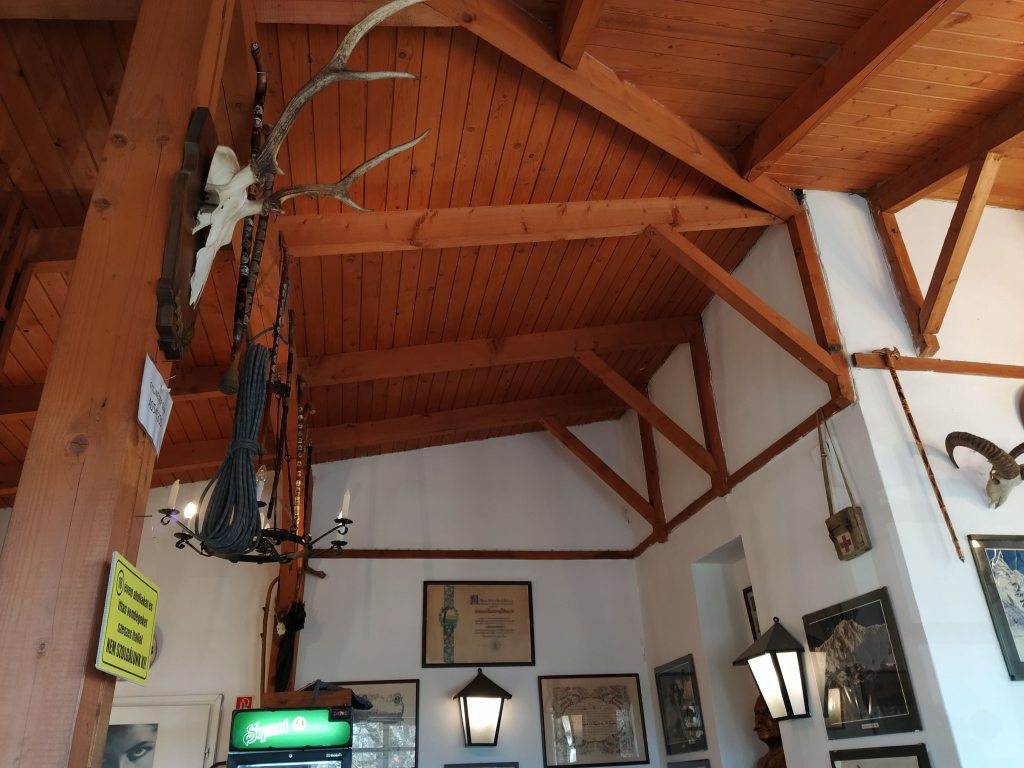
Despite the sunlight, the weather was quite chilly so after admiring the scenery, we took a little detour at the tourist house. I was quite taken with the interiors, old photographs, vintage hiking apparel mounted on the walls, it felt like travelling back a 100 years.

After a quick warm up (me) and a coffee (my boyfriend) we were ready to get the hike started.
Although soon as we stepped out of the tourist house, I got distracted by a group of cute little green birds, as a wannabe ornithologist I spent – to my boyfriend’s great pleasure- 10 minutes trying to shoot a nice photo of them but it was not meant to be. I’m guessing they were greenfinches but without photographic evidence, we will never know for sure.
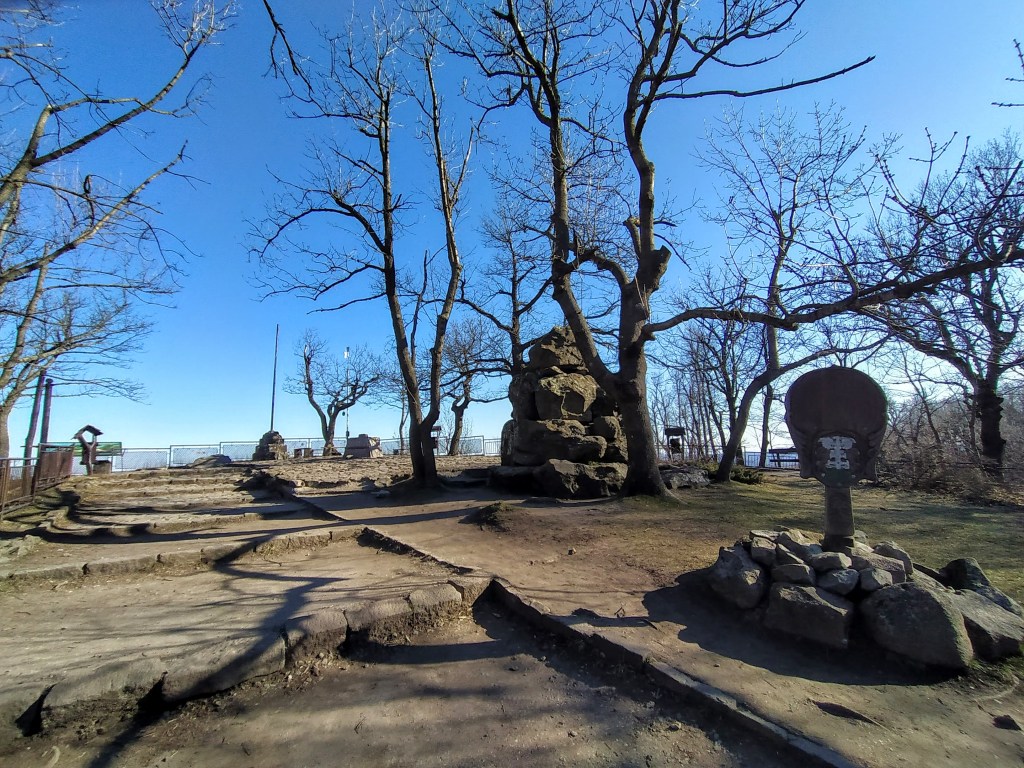
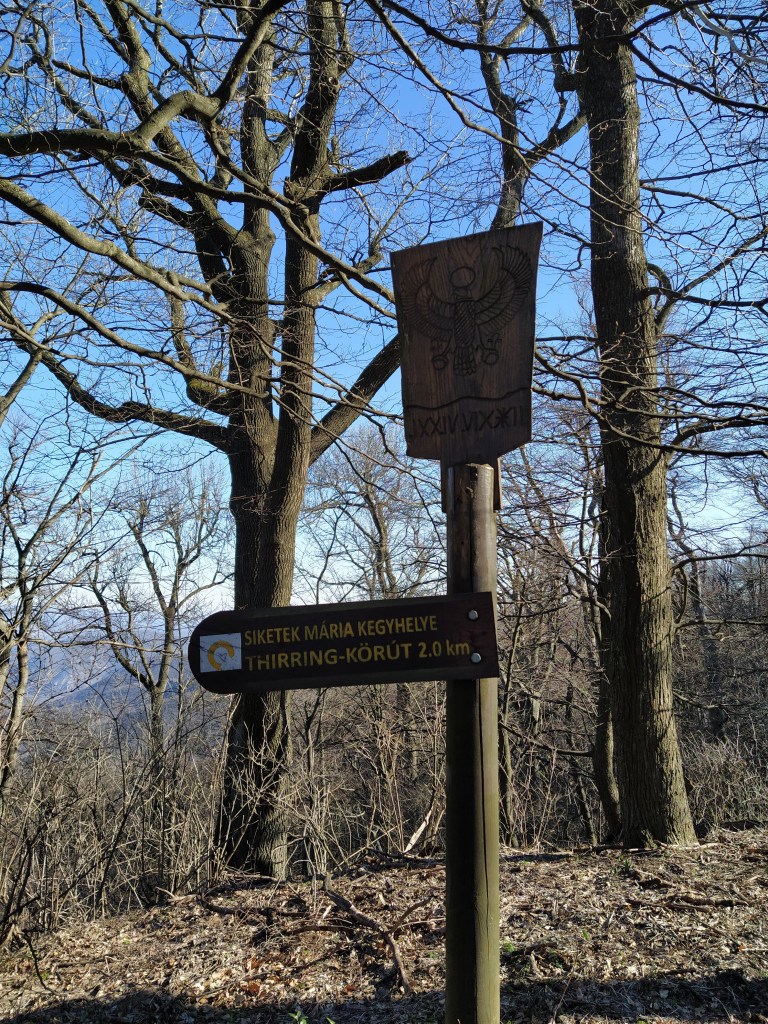
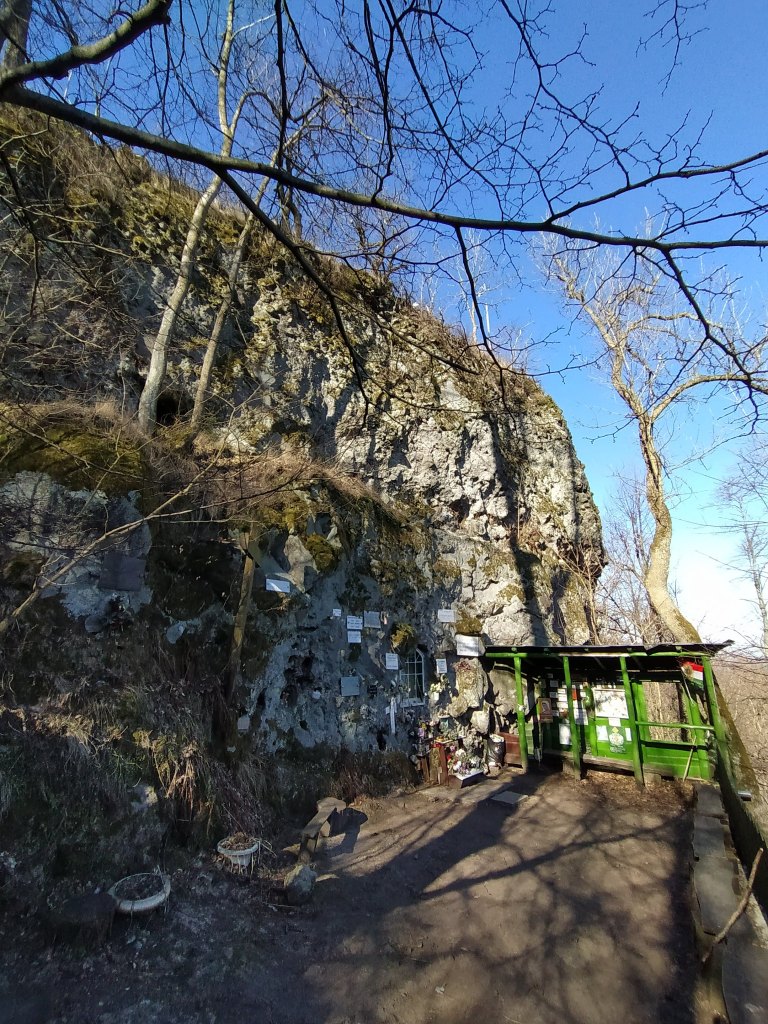
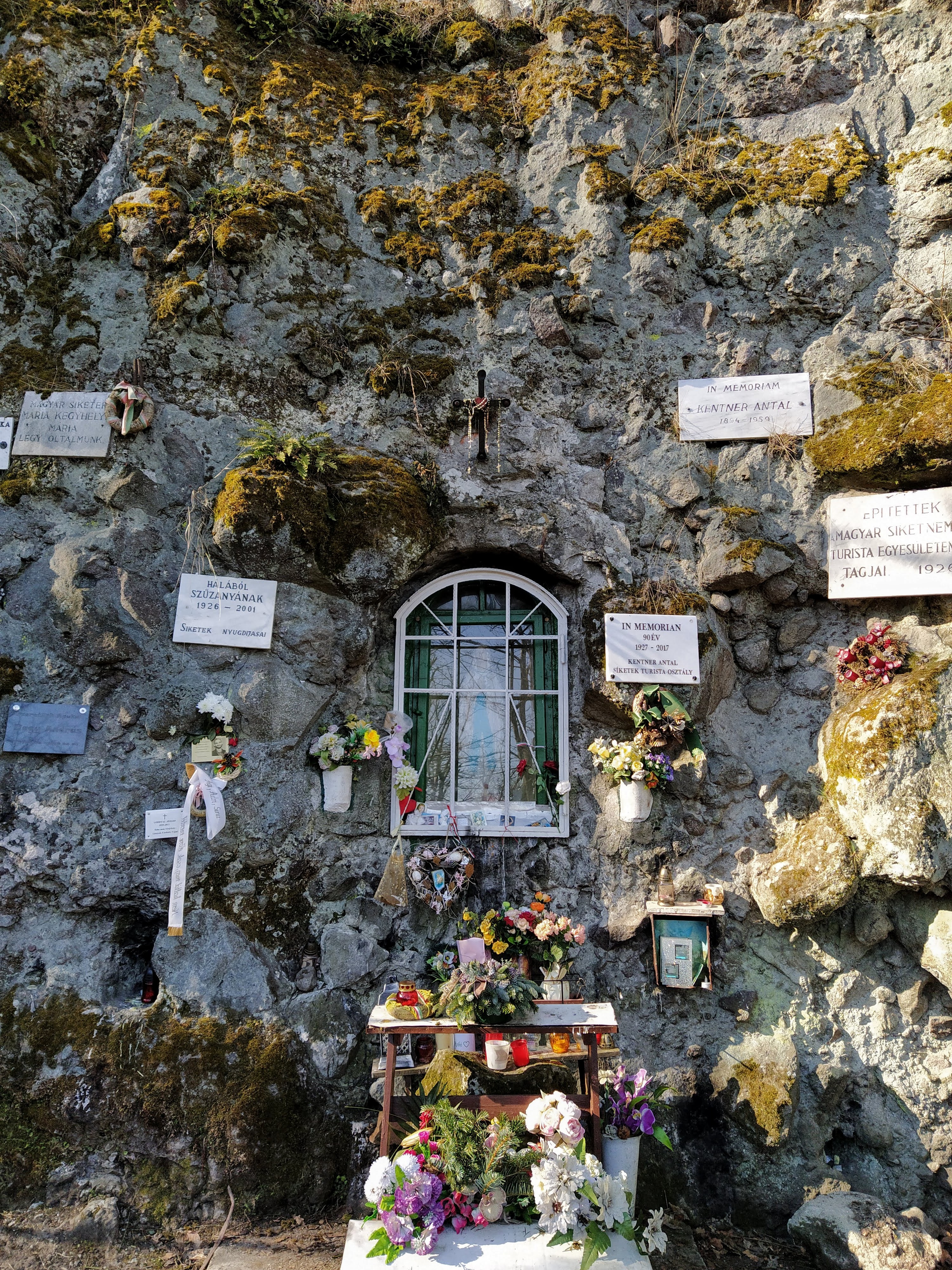
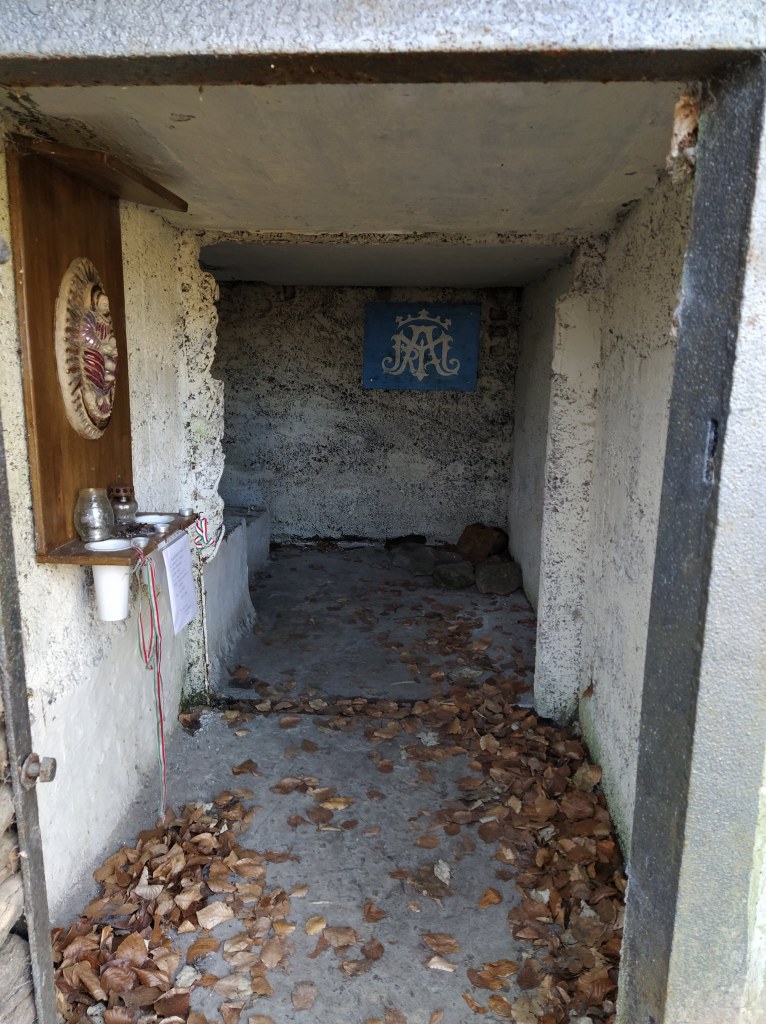
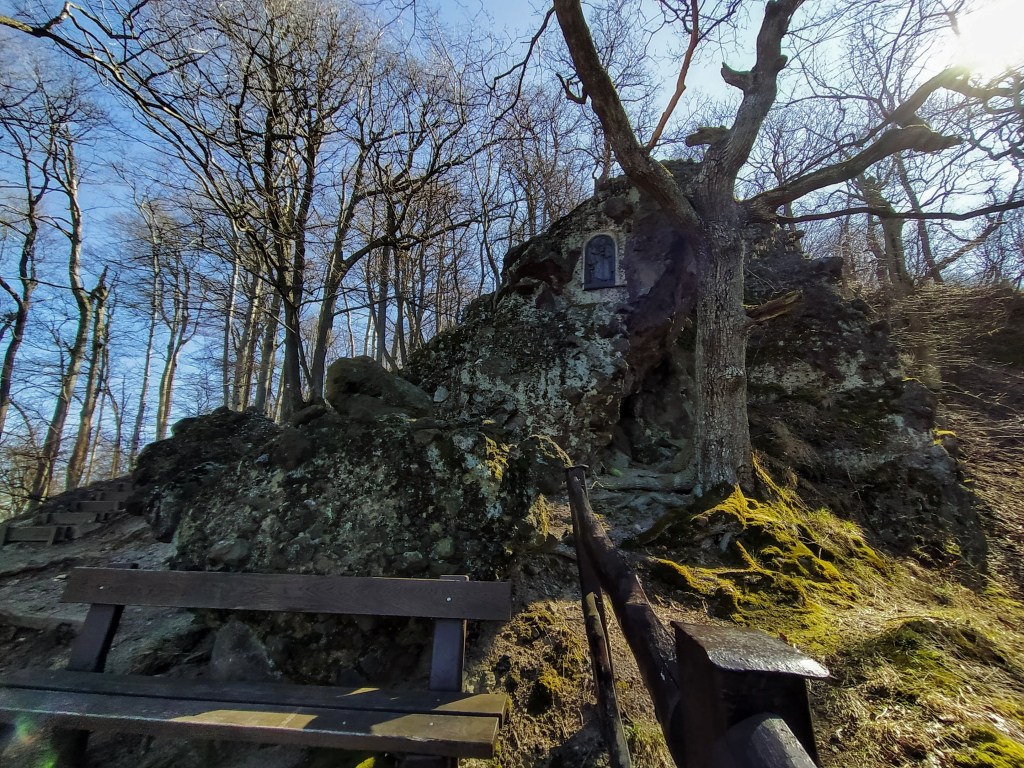
After this struggle, we finally started our hike by taking briefly the path behind the tourist house then turning left at the wooden gate that led us down to the Mary Shrine of the Deaf.

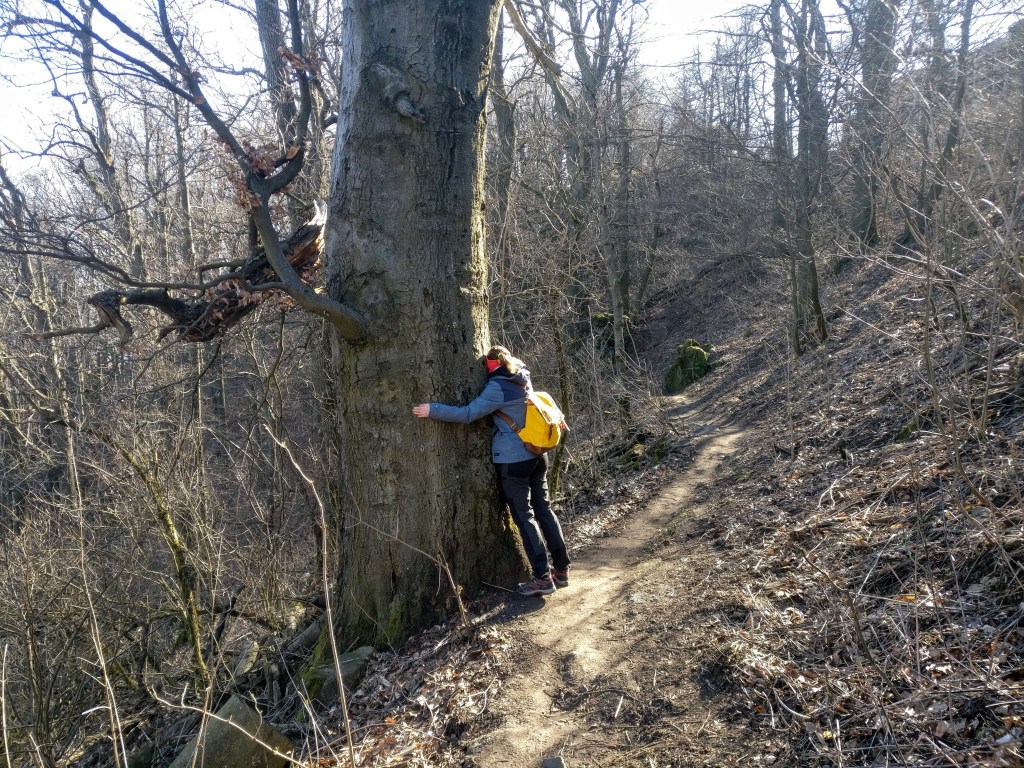
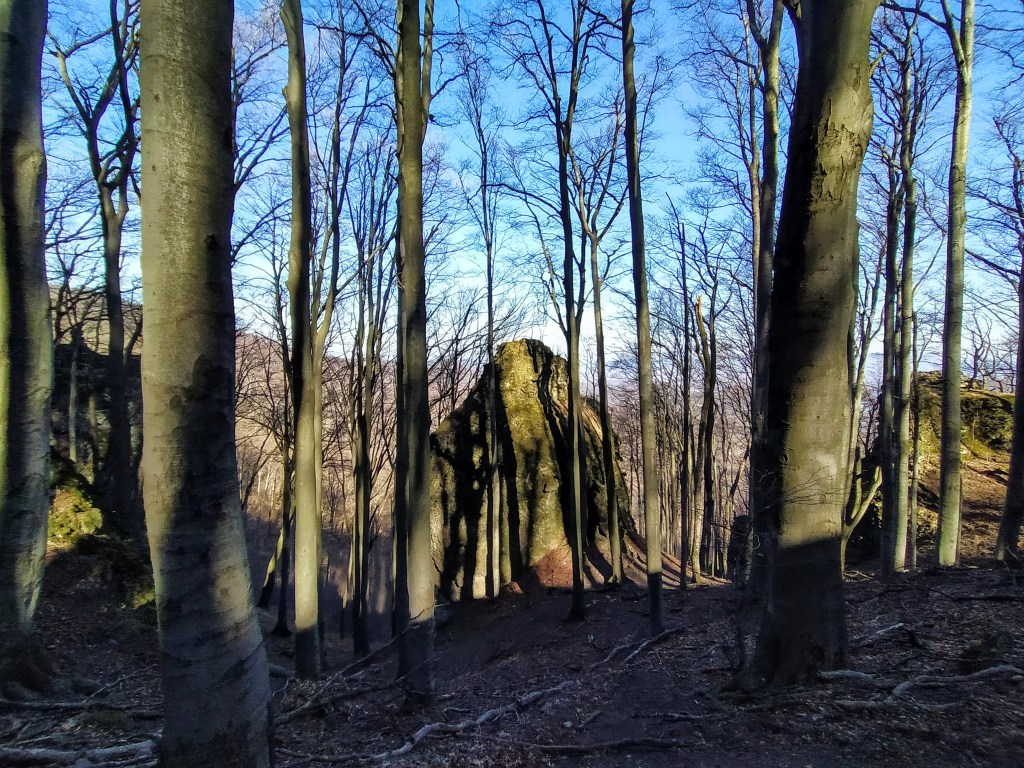
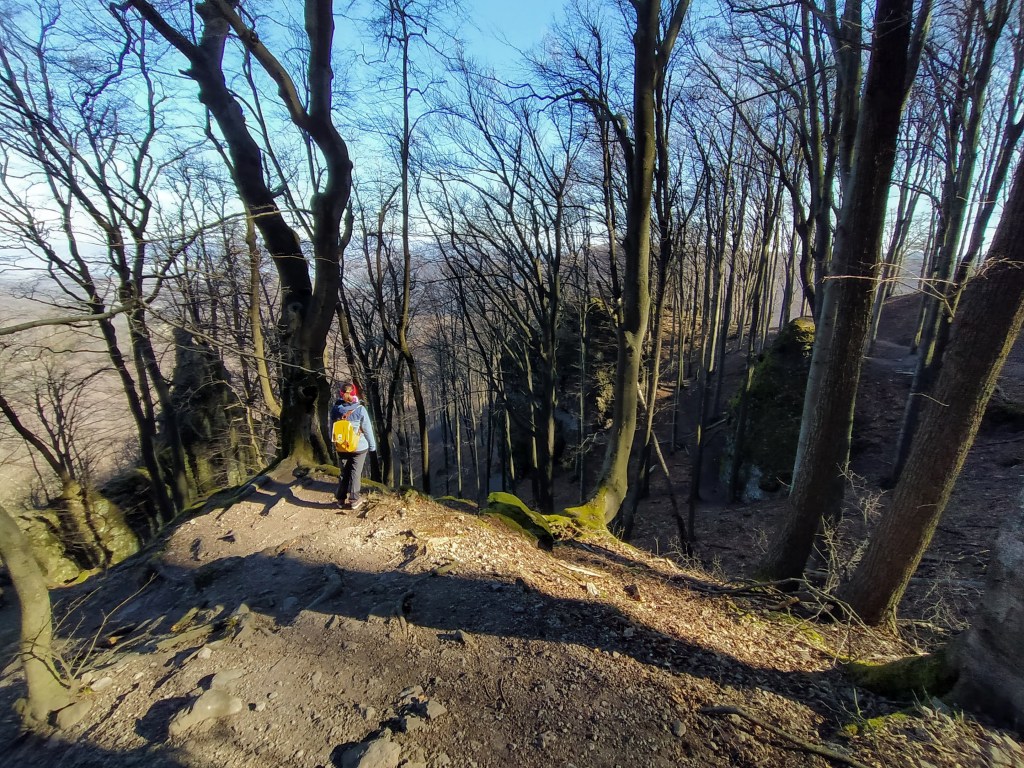
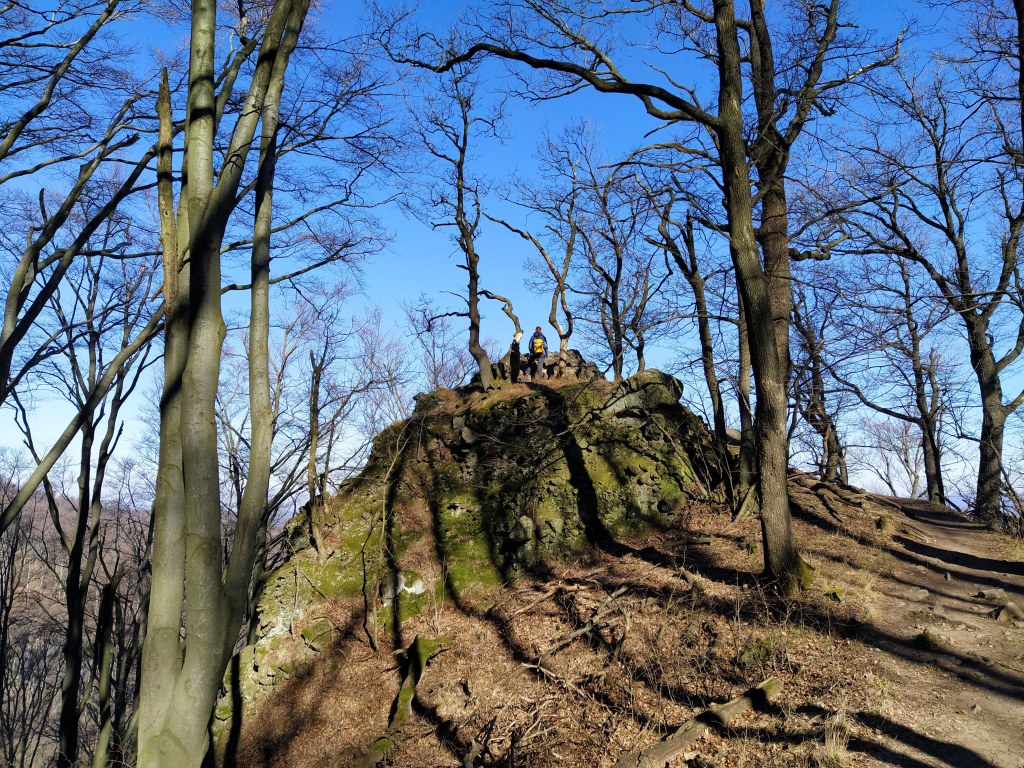
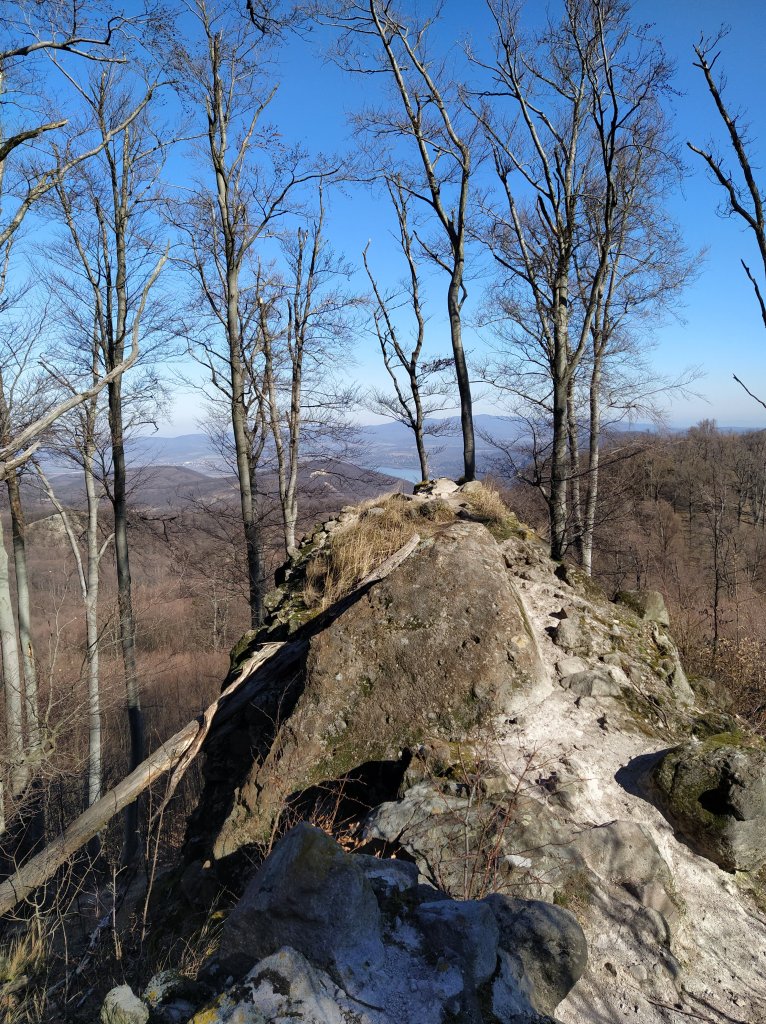
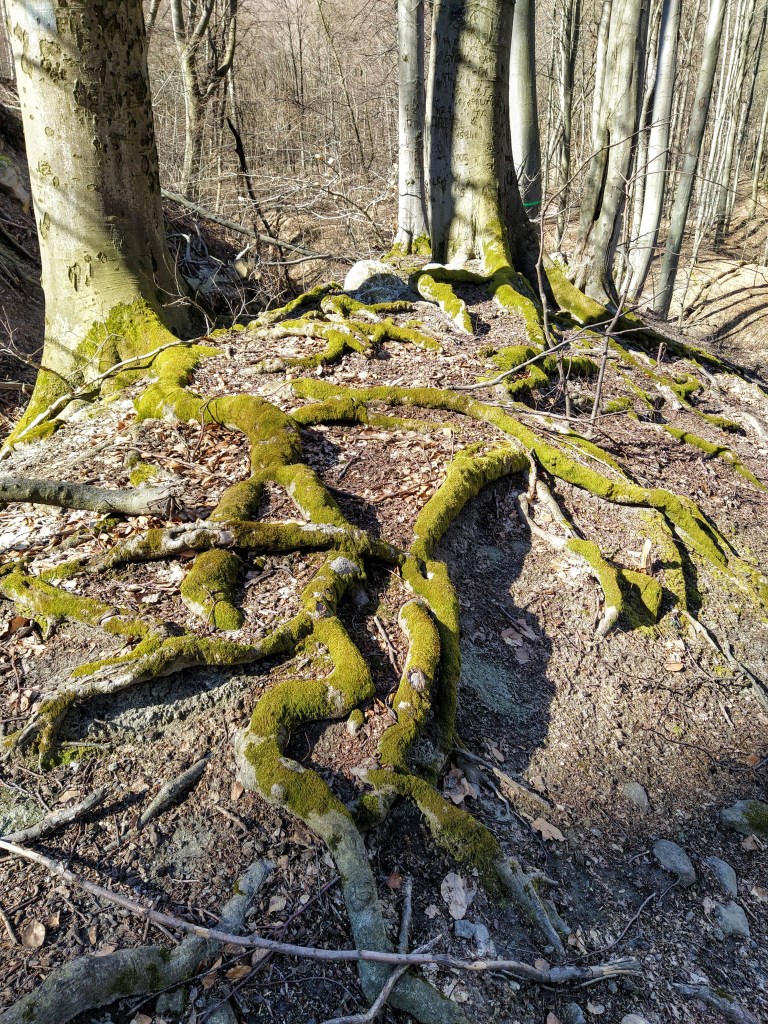
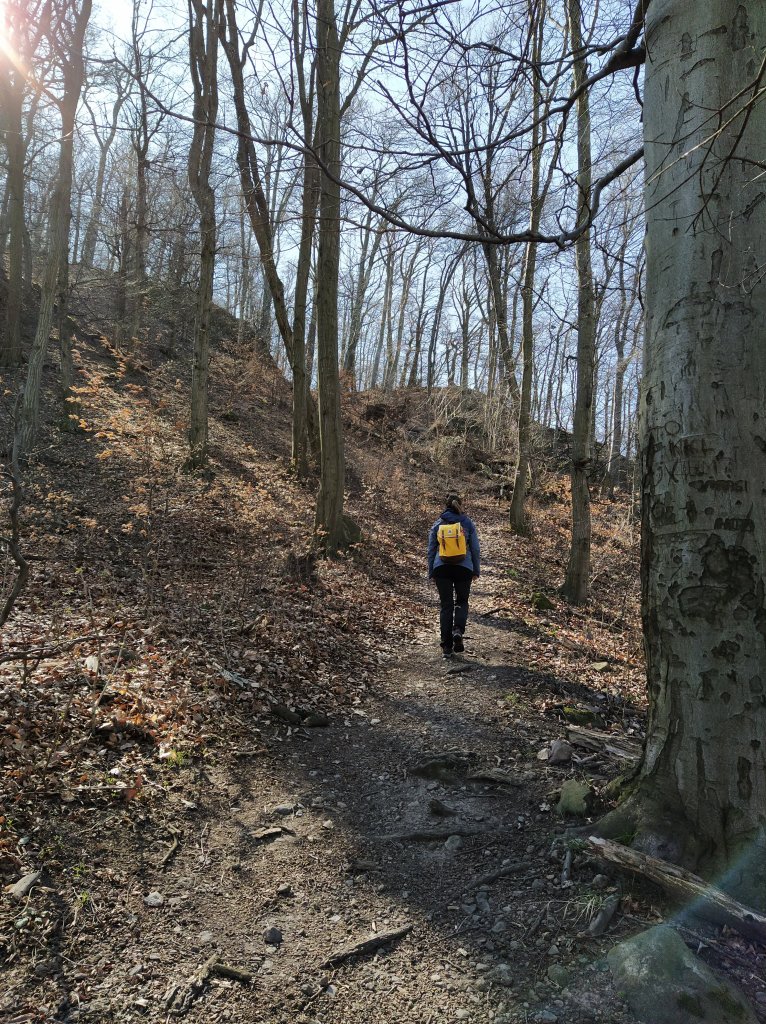
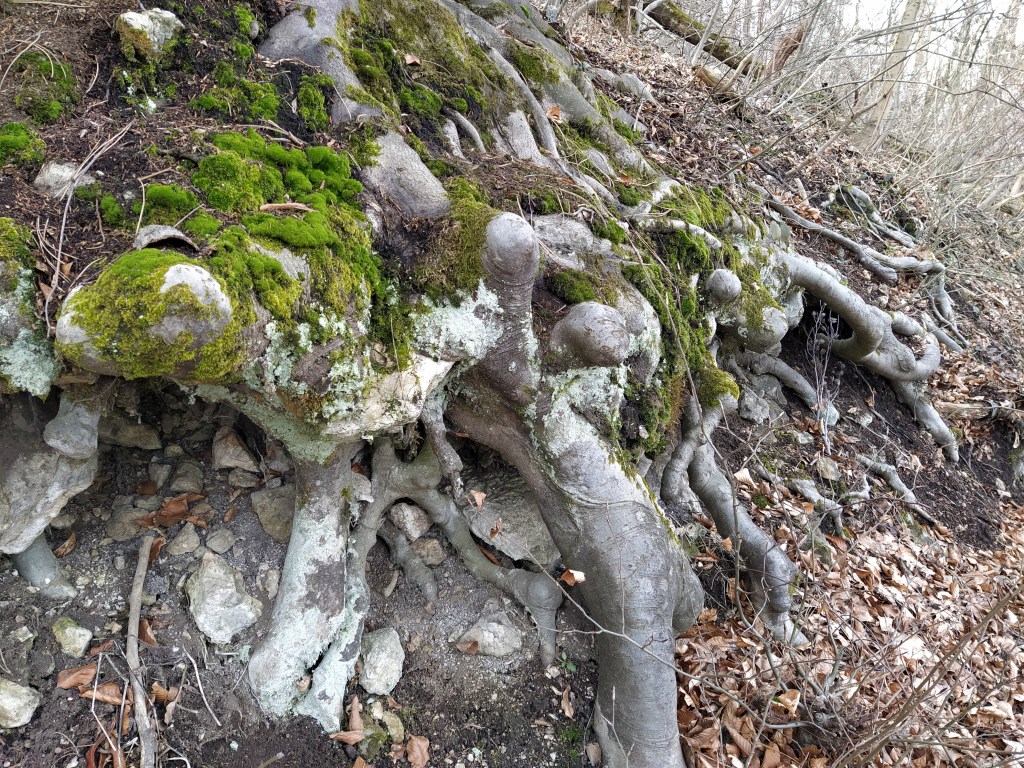
From here the trail descends slowly into the valley below Dobogó-kő. Ancient beech trees surrounded us as silent sentinels and the area was dotted with cone-shaped rocks, the results of long ago volcanic activity.
Of course, I couldn’t miss the opportunity and climbed on to one of them, I am really like a child sometimes, I have to climb up everywhere and in the excitement I ignore the fact that I’m scared of heights.

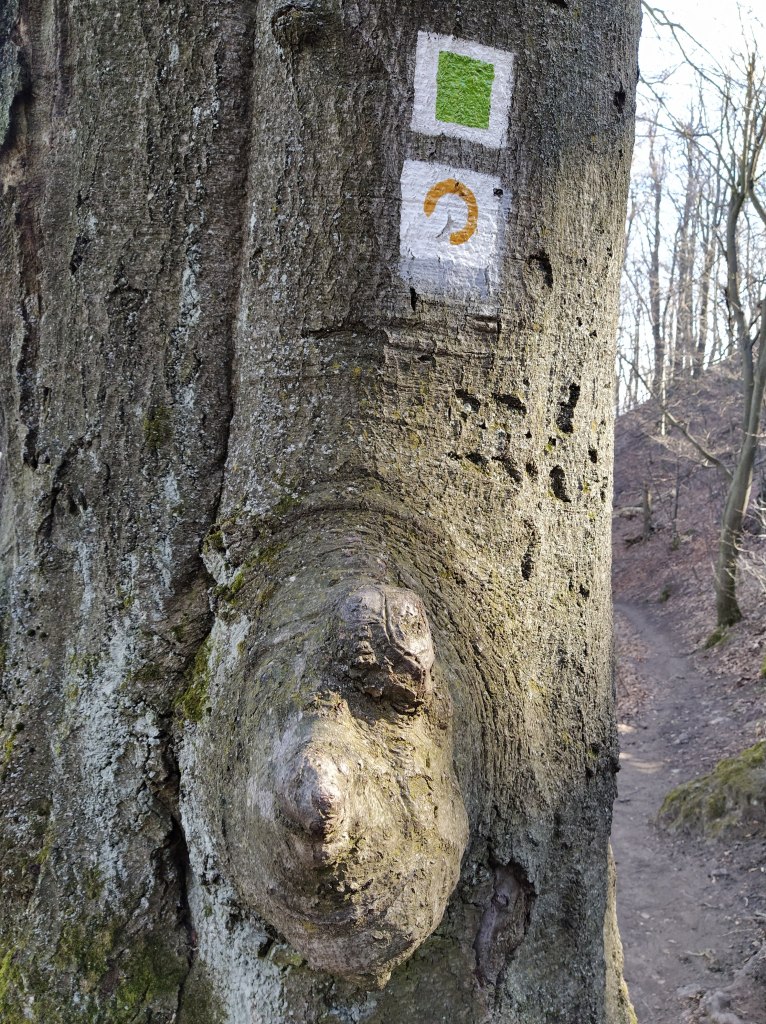
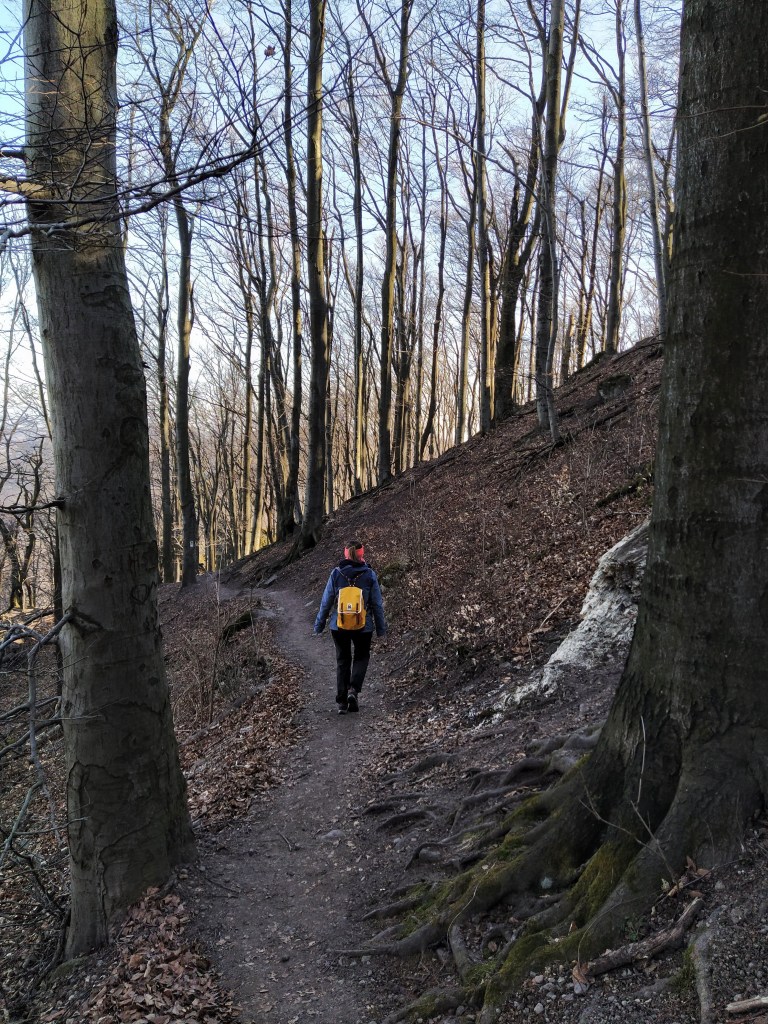
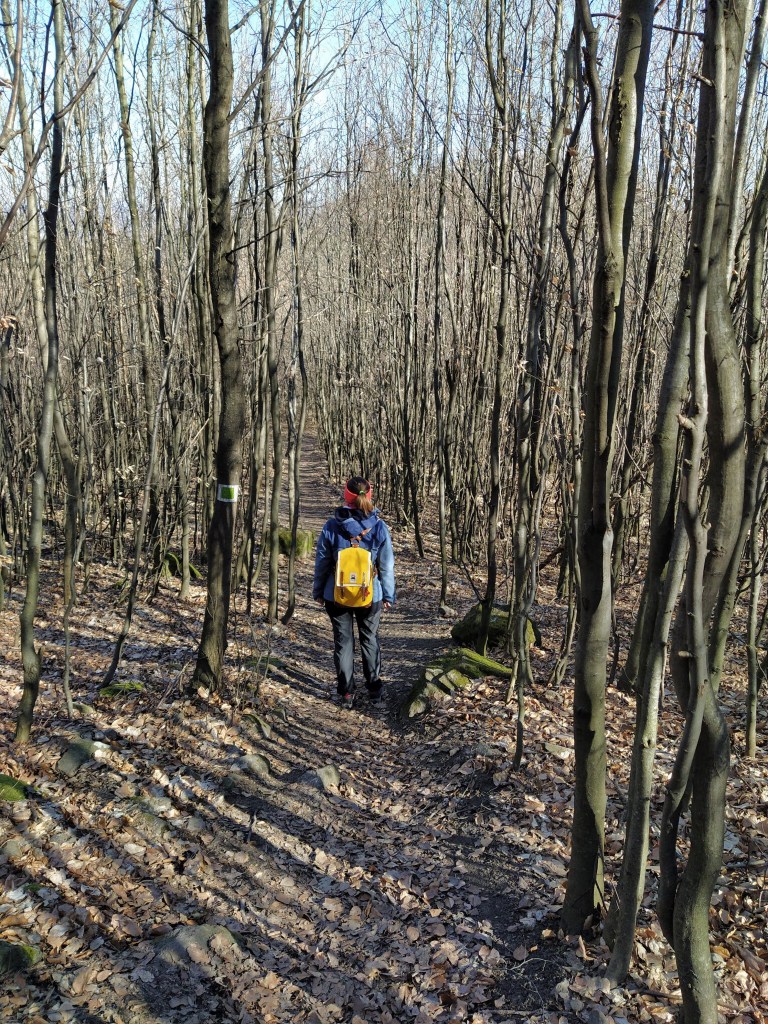
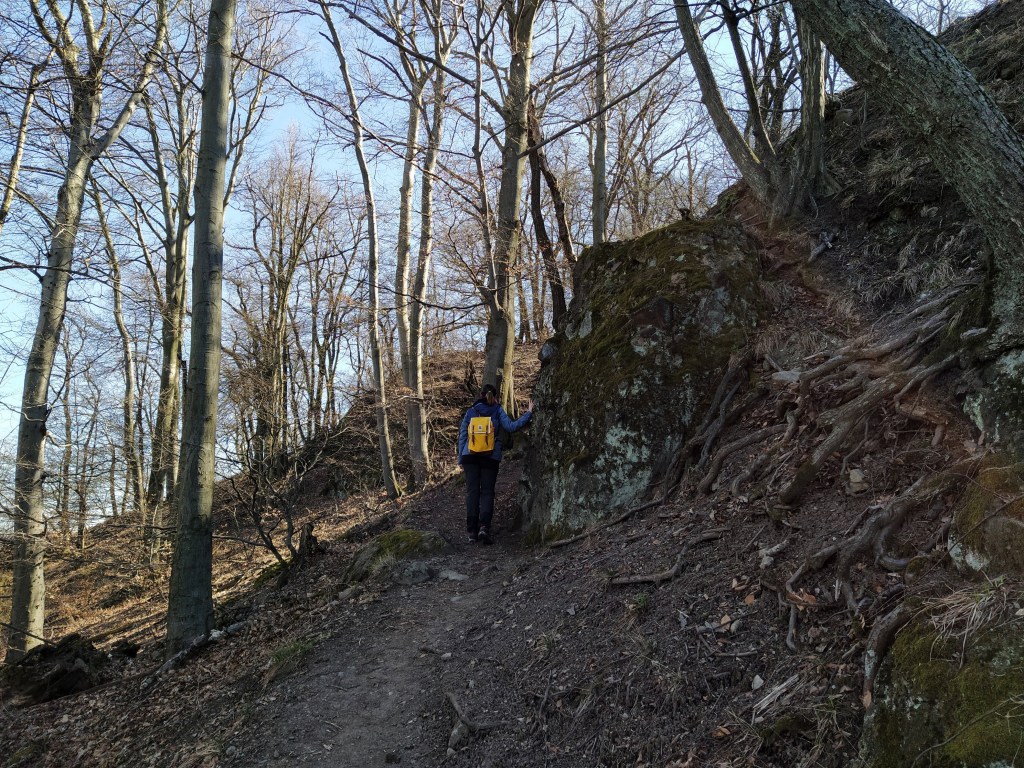
At the base of one of the rock cones, where the green and the yellow path part ways, we took green one and continued our descent as the forest slowly changed around. Still beech trees but relatively younger ones and whole lot more of them. At this point, I already knew that we will have to pay the price of all this walking downwards when we would have to mount back.

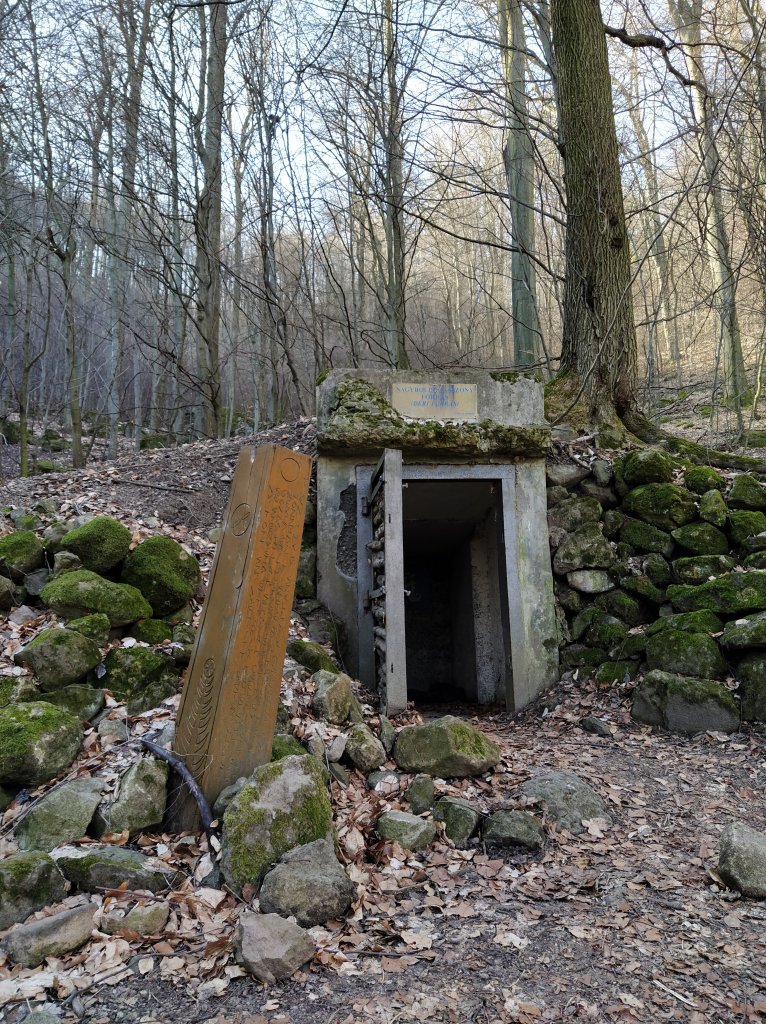
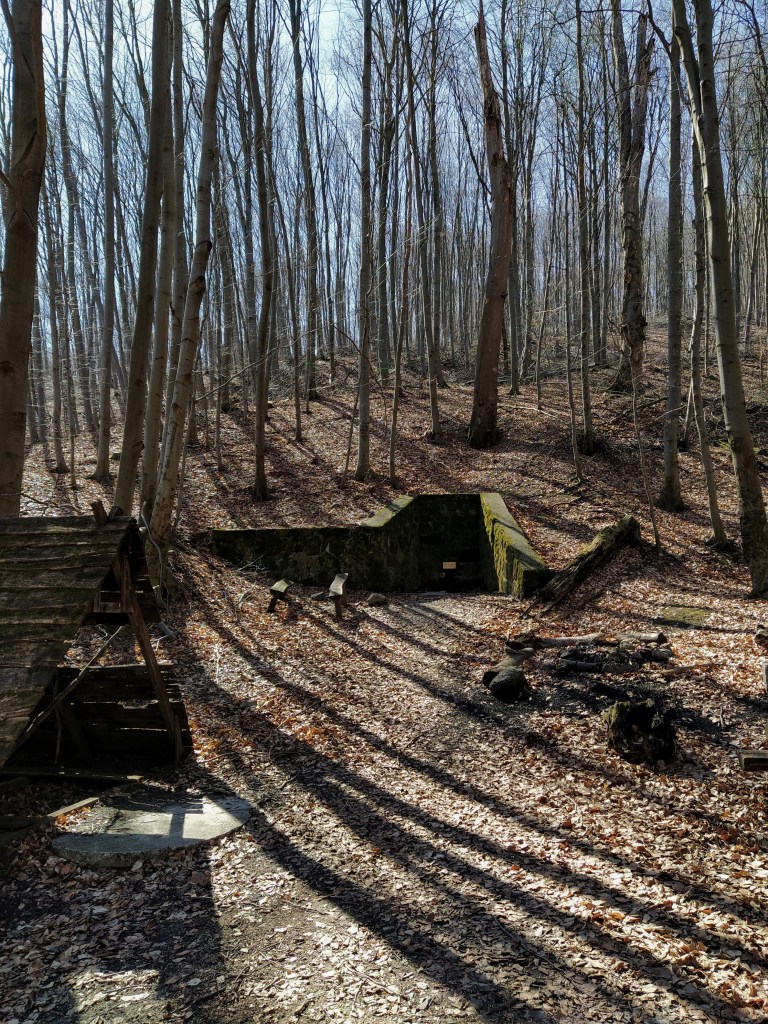
A little while later, we arrived at the clearing of the Nagyboldogasszony spring, which had in my opinion a cute but according to my boyfriend an eerie, well house. 
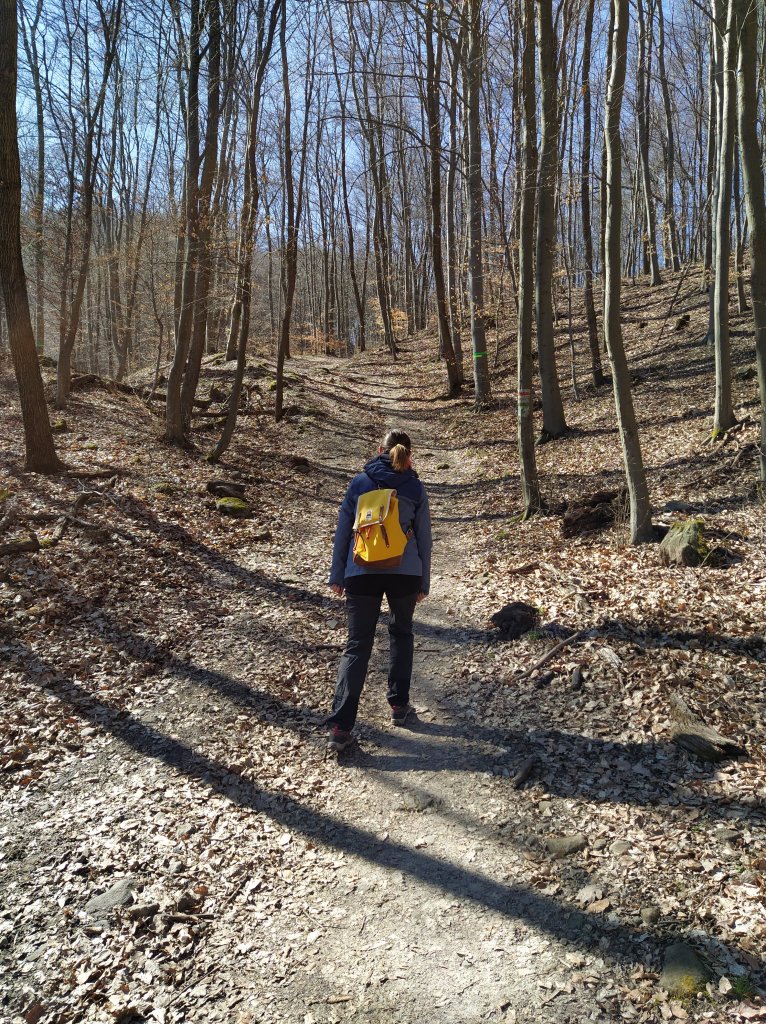
The sun was streaming through the trees, birds were announcing that spring is around the corner as we strolled along the valley and then on a wide dirt road towards the Rám hill.

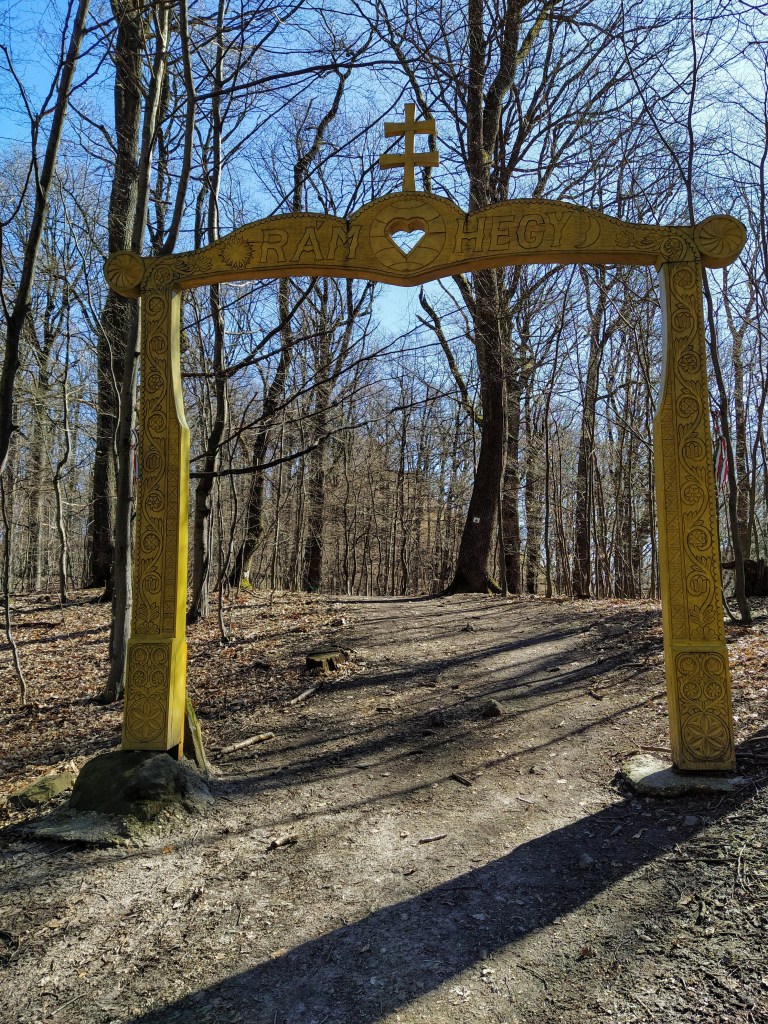
The ‘entrance’ to the hill is marked with a lovely carved wooden gate. A short but steep upwards hike later, we reached the bare hill top. Nice view, but in my opinion it can’t beat the one from Dobogó-kő. Although, if photographed from below, the rocks had a Lion King feel to it. ♫ Naaaants ingonyama bagithi Baba ♫ Sorry got carried away for a moment.

The next leg of the hike took us through the area of the Three Springs, as the name suggest we crossed over three brooks. Due to the dry weather there wasn’t much water in them, so getting over was not a big thing. We were directly ‘above’ the Rám precipice which is one of the most popular natural attractions in Hungary, and a star of student field trips. If all goes as planned, we will go there this summer at the crack of dawn, cause I don’t want to stand in line during a hike. Anyway, back to our trip, where was I… oh yes, the Three Springs.
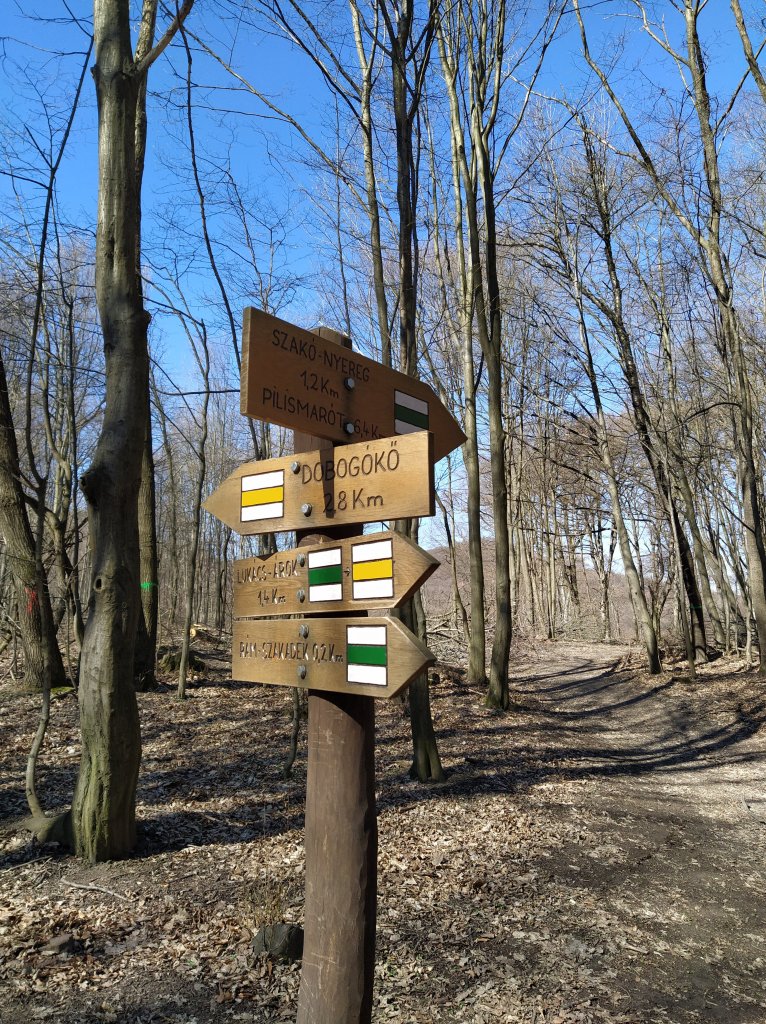
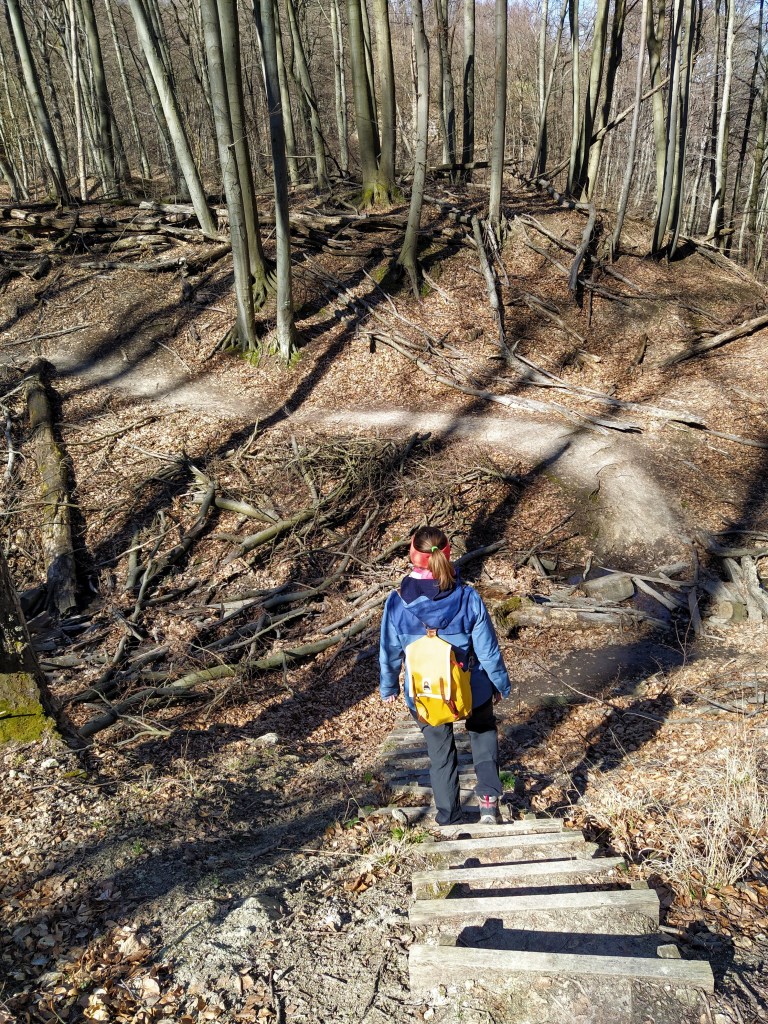
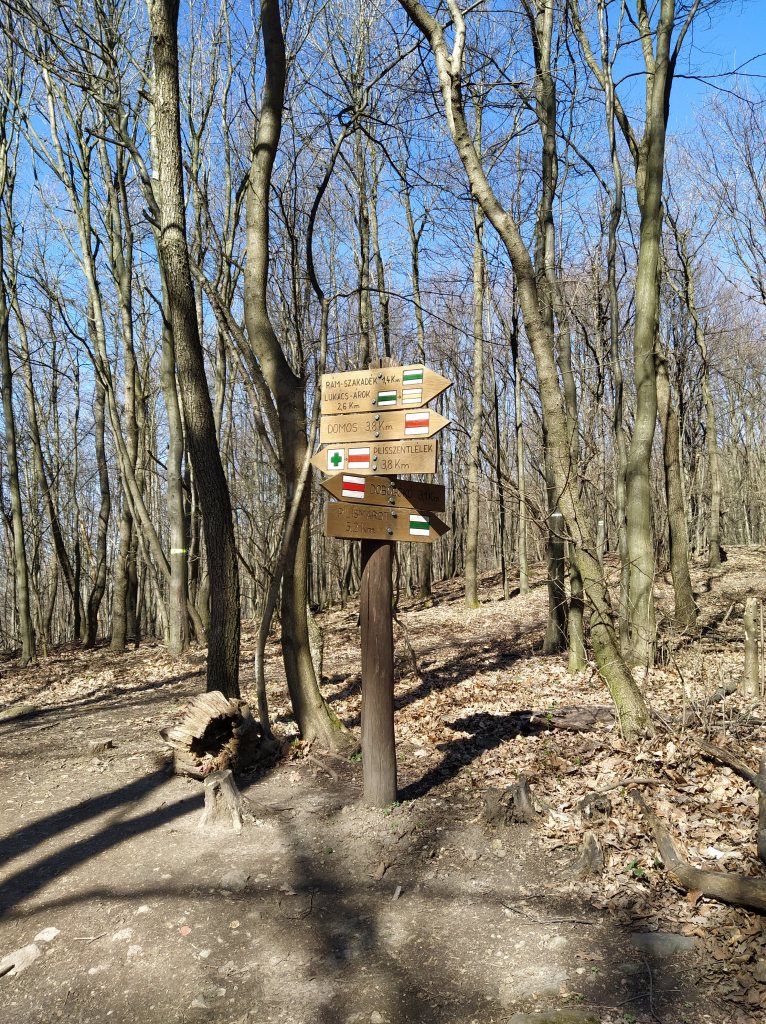
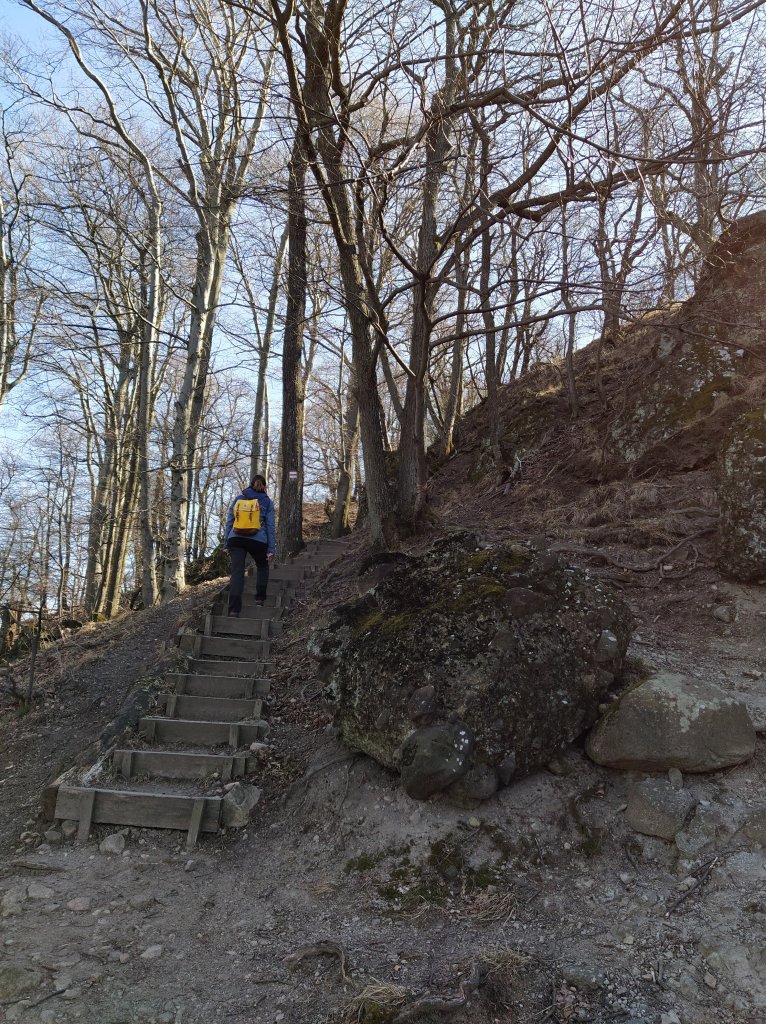
After successfully crossing all three of them, we arrived at an intersection, where we kept following the green sign in the direction of the Szakó nyereg ,Szakó (mountain)saddle. Not long after the junction, we crossed over the upper part the Lukács Trench. The descent is facilitated by wooden stairs and I loved it, I have no idea why but these ‘natural’ stairs always give me a buzz, I guess it’s one of my strange perversions.

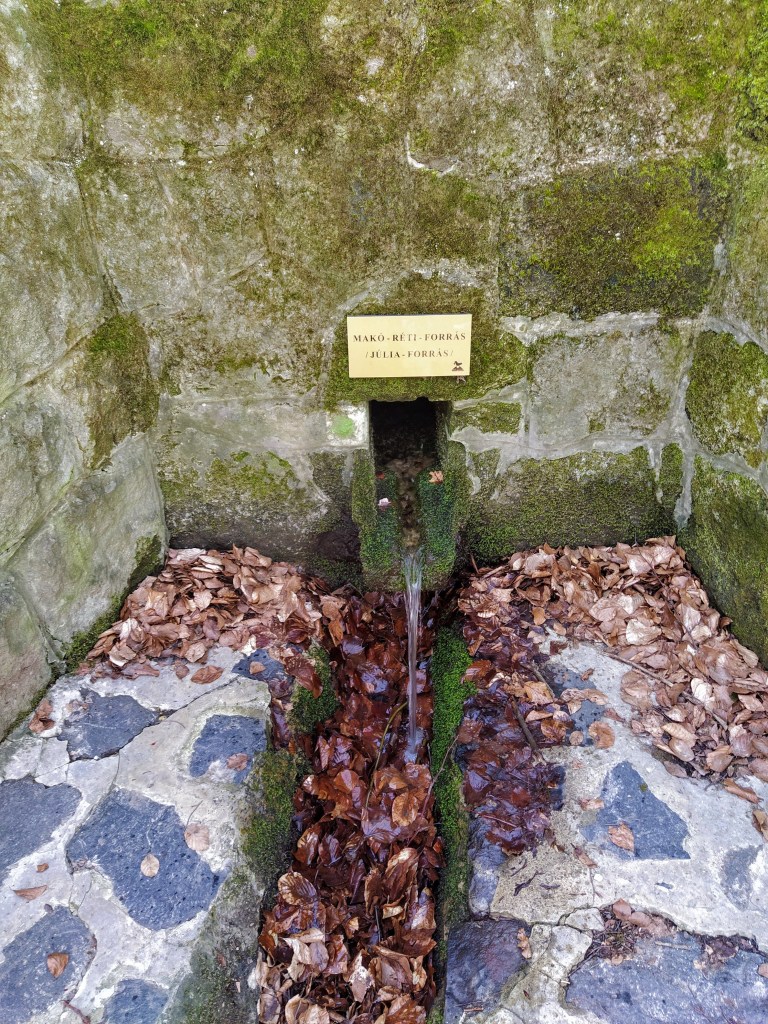
Right after the trench, we had a chance to quench our thirst at the Júlia spring. I love the taste of fresh water and yes, it does have a taste, I don’t care what the infidels say, so I took the opportunity to drink as much as I could. 

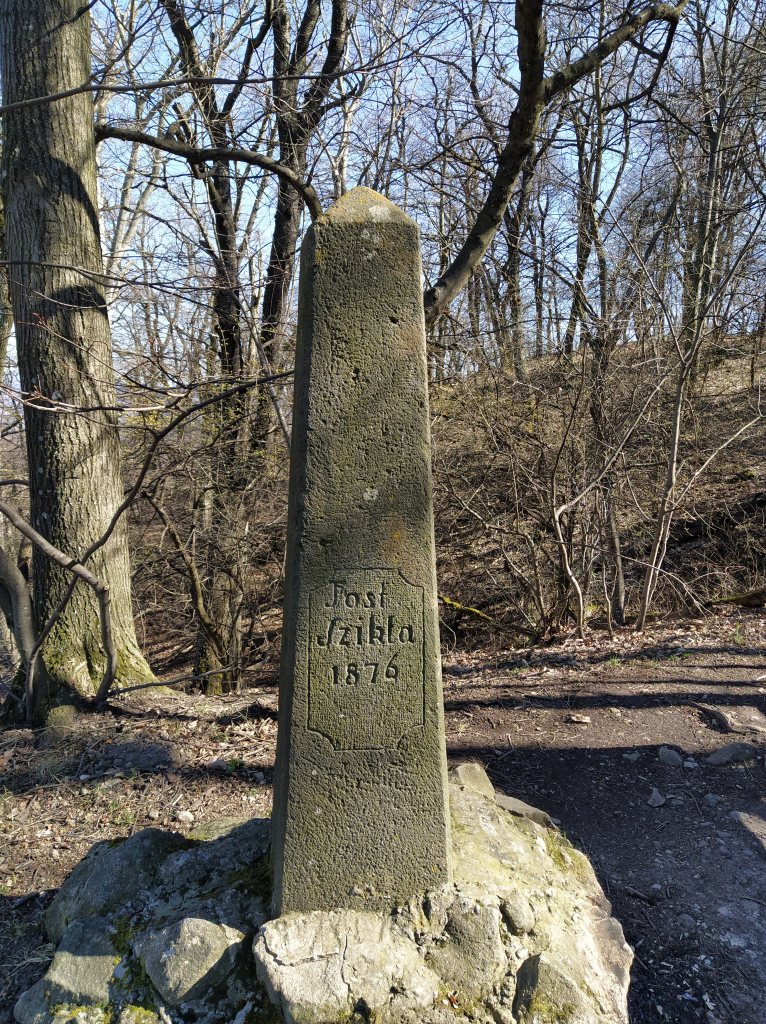
After the refreshment, the time of reckoning came as we started to climb back up to the mountain top, eventually leaving the green path for the red one that would take us back to our starting point. Thankfully, on the hike up we found to resting  areas, first the Ilona pihenőpont at the foot of the Tost rocks, then at the obelisk mounted in the memory of Tost Gyula. I’m not sure why the rocks were named after him, so if you have more information on that, let me know.

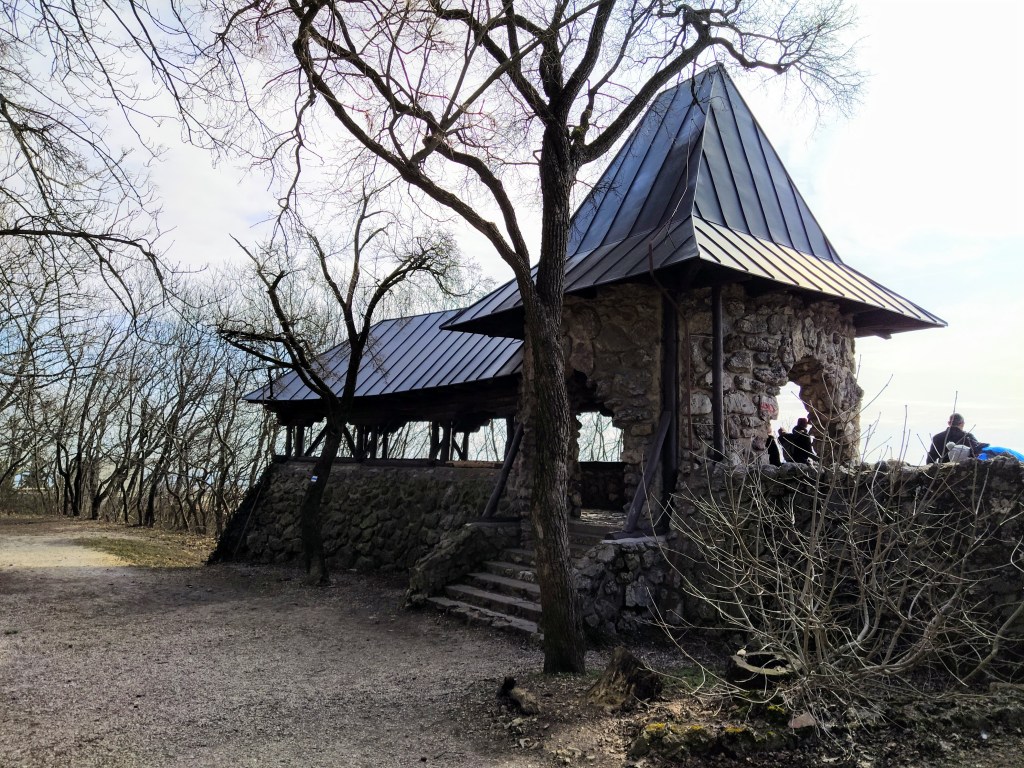
We made our way back to Dobogókő and closed our roundtrip with another lookout point, named after Rezső Tirts ( an activist of the Hungarian tourist movement) and we were rewarded with another magnificent panorama of the surrounding area.

Details of the walk

Distance: 8,2 kilometres
Elevation: 297 metres
Route: http://out.ac/ozjdr (GPX and KML formats are available)
How to get there: By public transport: bus 860 from the HÉV station at Pomáz
By car: Just enter Dobogókő into the GPS

National Blue Trail –  Hike and the City

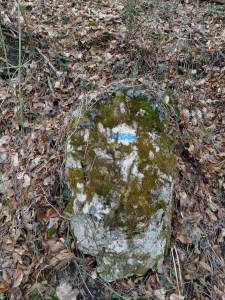
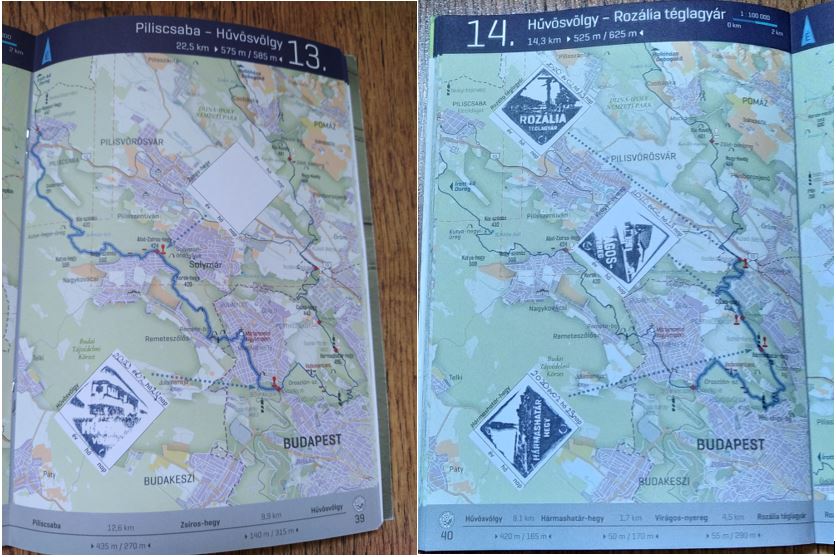
We finally started the Blue Trail (Országos Kéktúra), which is a rather well known hiking route in Hungary. Before I dive into our hike, I’d like to write briefly about the Blue Trail itself. In a nutshell, a path of 1168.7 kilometres runs through the northern part of the country, the main aim is to better acquaint the hungarian countryside, the local sights and of course to entice people to spend more time outdoors. Divided into 27 parts, the hikers collect stamps along the way in the dedicated Blue Trail notebook as a proof of achivement. Each stamp is different, the image depicts the place where it is placed.
Let me tell you, stamping is really satisfying and the collector in me rejoiced everytime we added a new one.

As we just started this “quest”, we chose the shortest leg (only 14.3 kilometers) which is also the closest to where we live in Budapest. A wise decision as we are still in couch potato mode after the winter months of eating and sleeping.

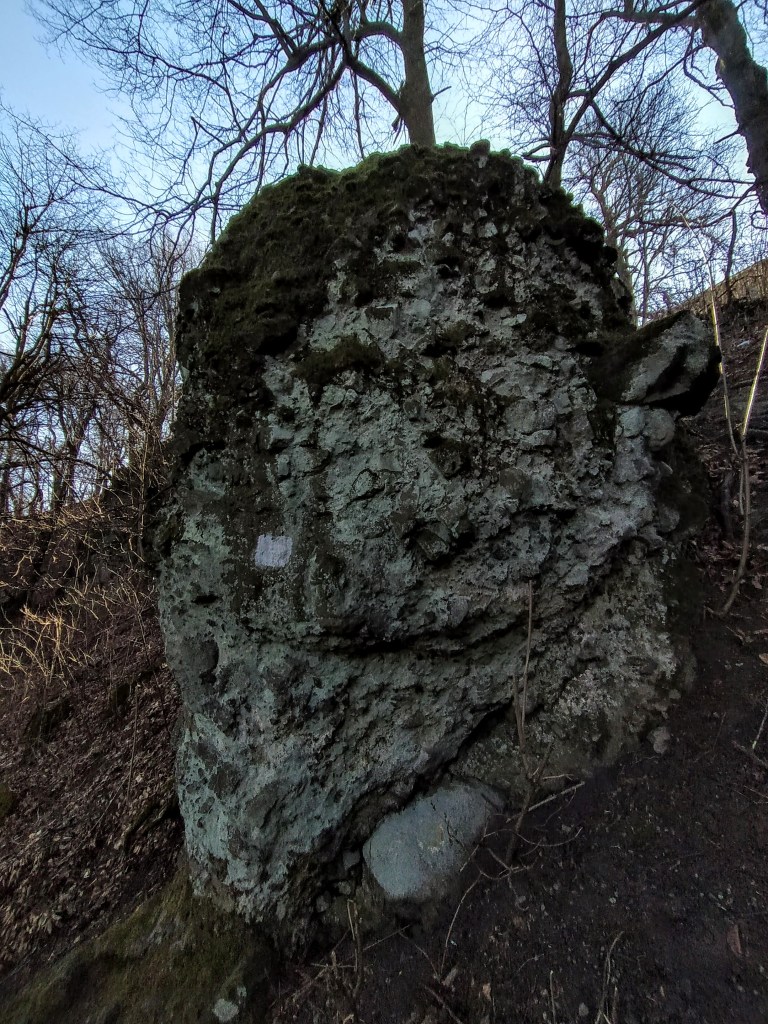
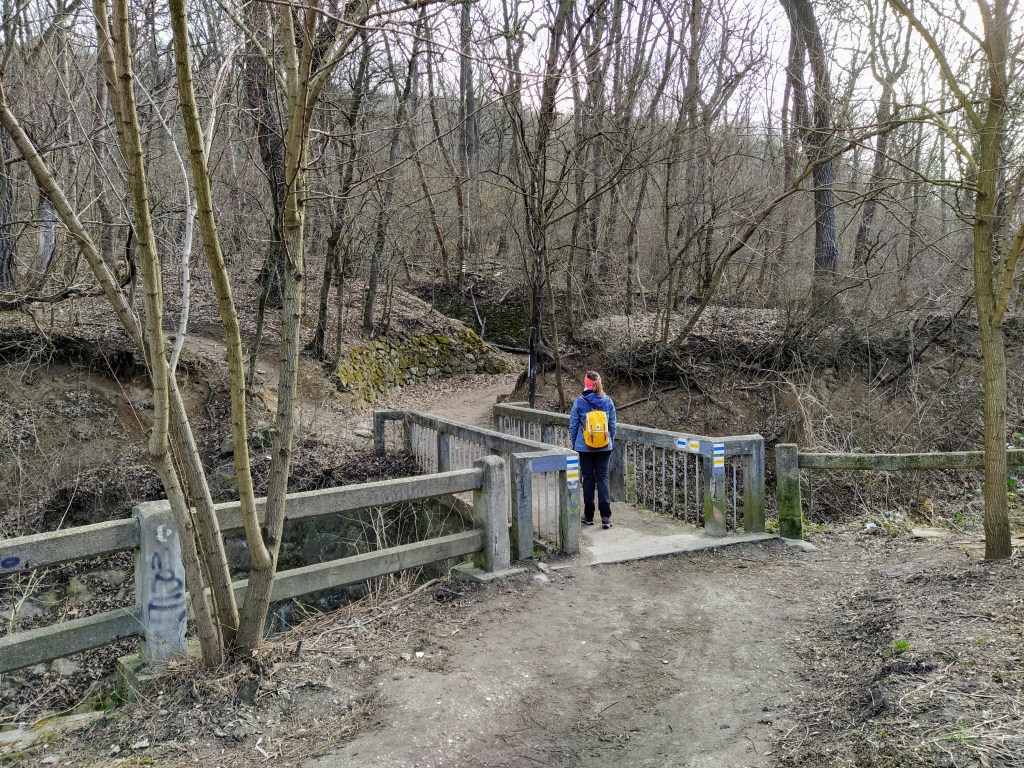
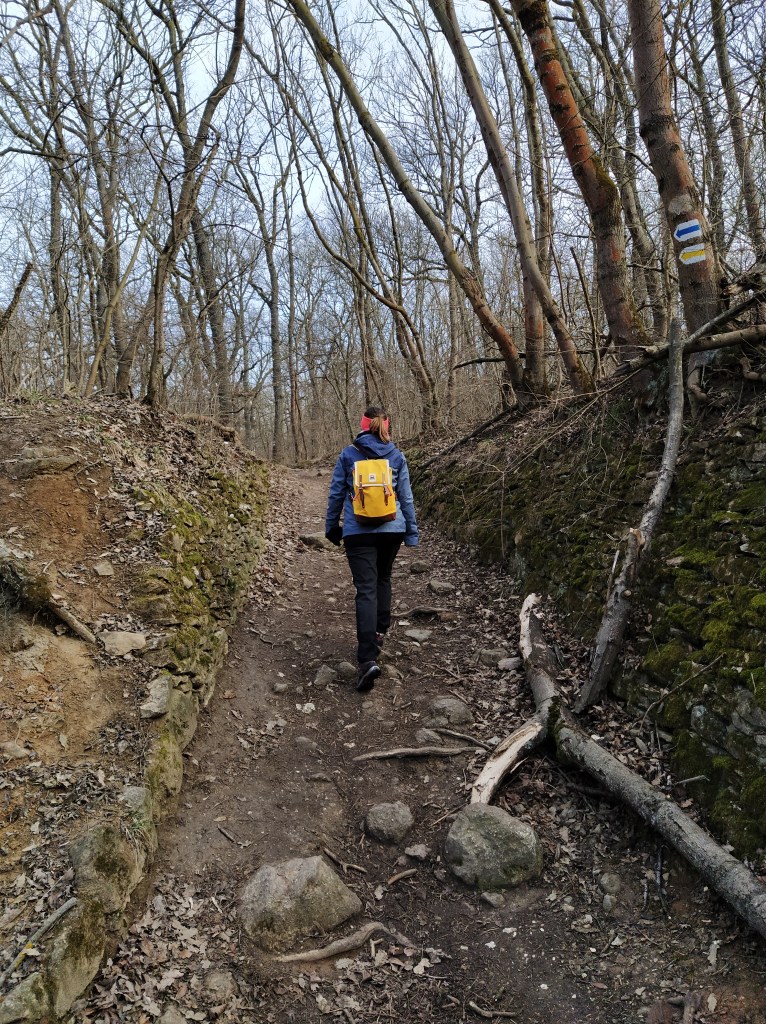
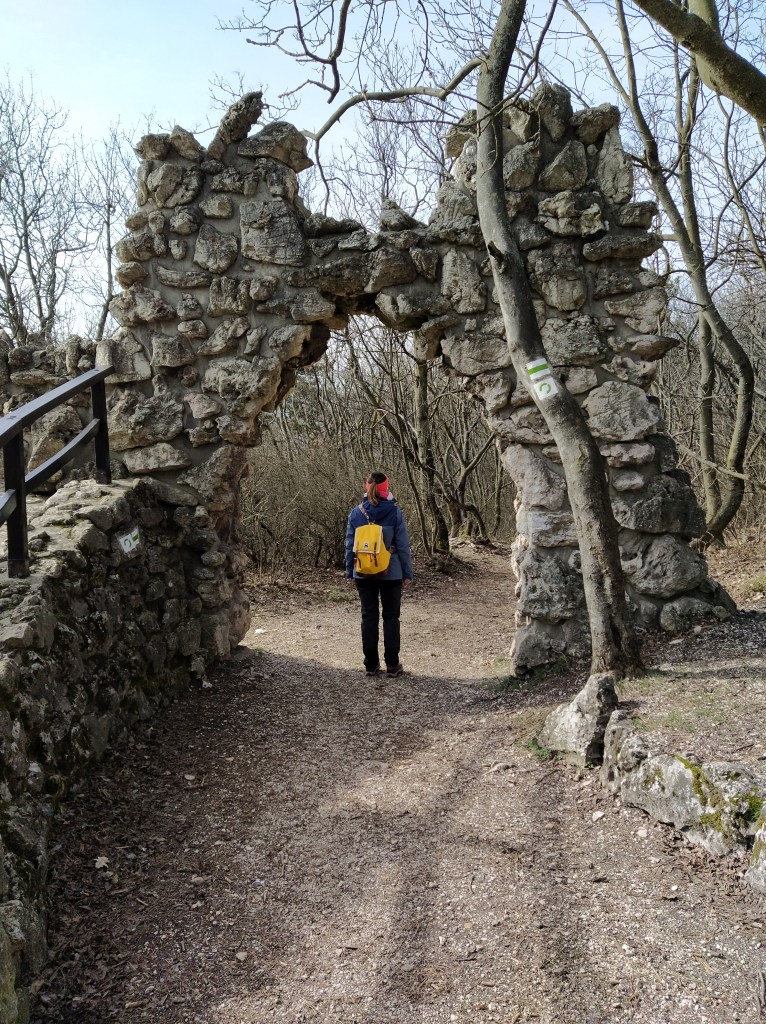
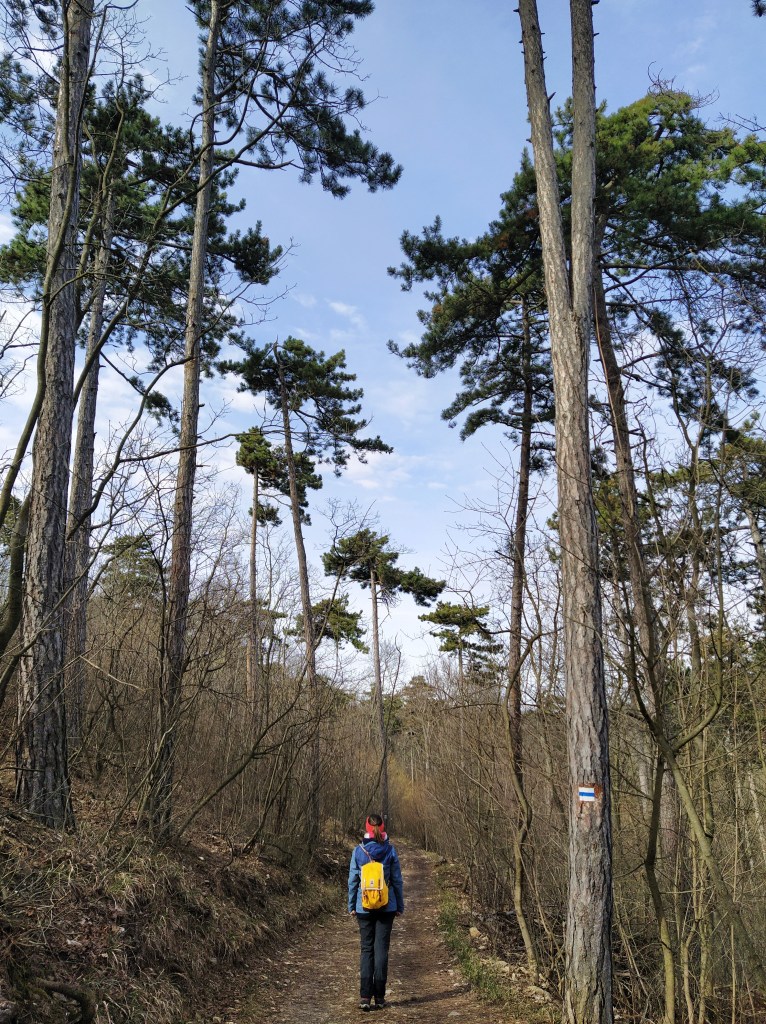
Blue Trail sign on a rock

Itinerary

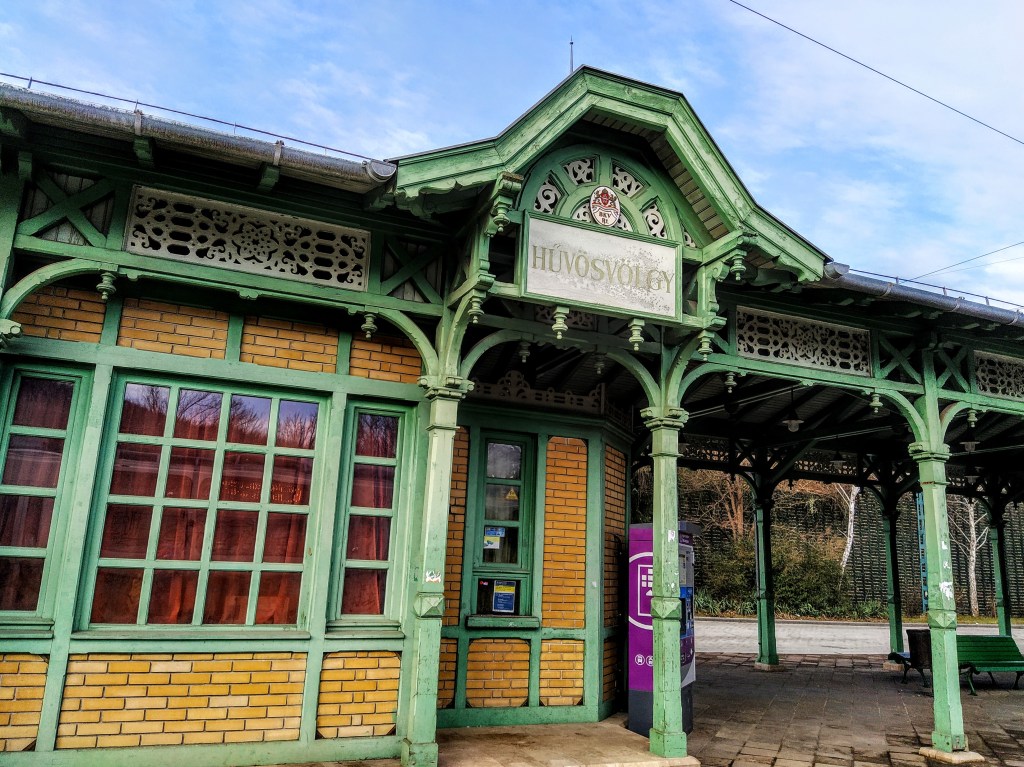
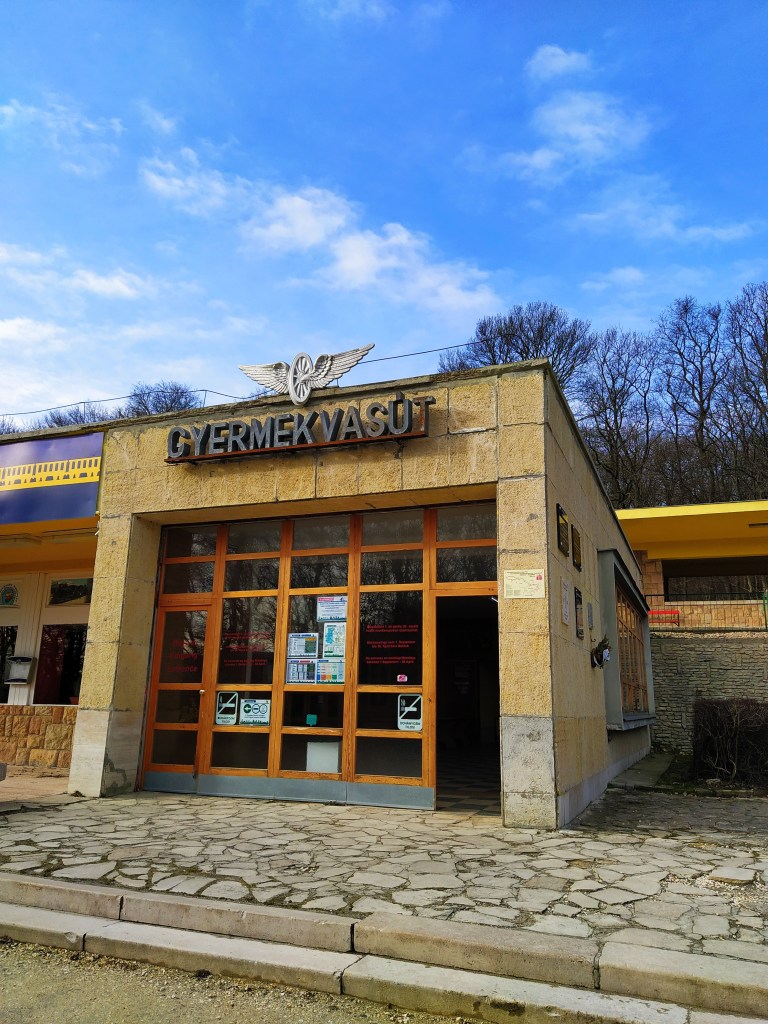
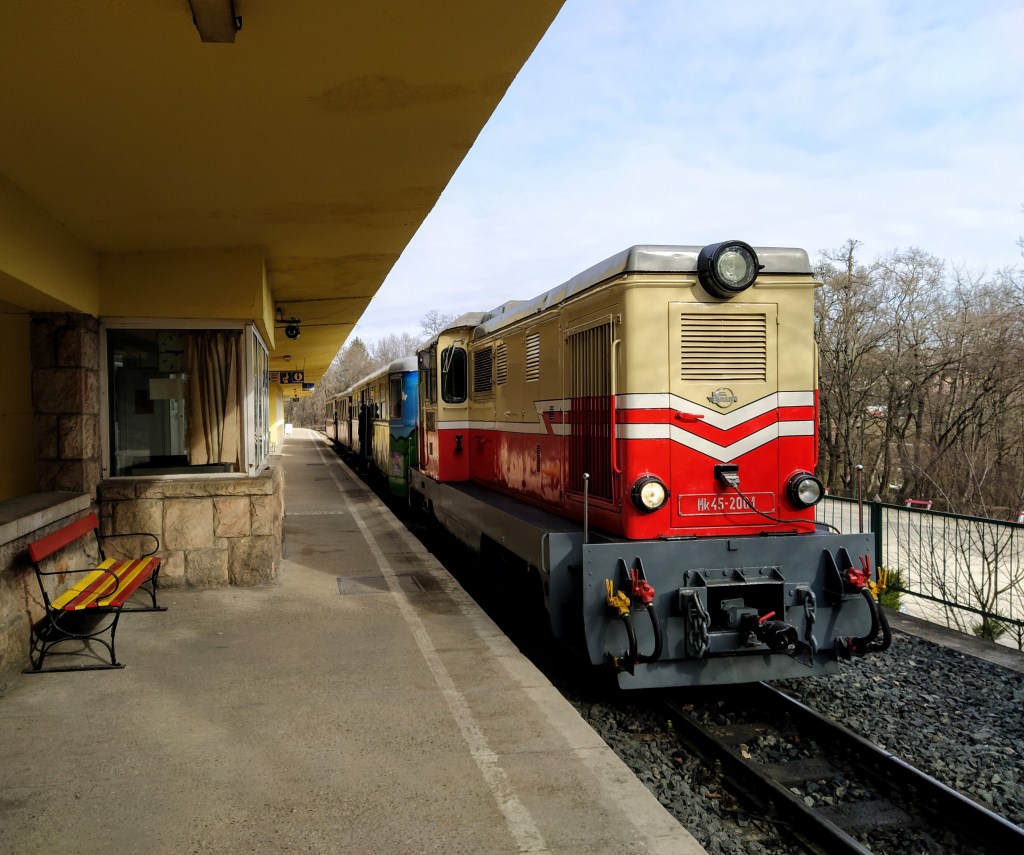
This blog post will be different from the previous ones as the blue routes are so well marked, I see no point on telling the exact directions, but rather an account of my experiences.The part of the trail that we completed, goes from Hűvösvölgy( Budapest) to the Rozália brick factory at Üröm.We started from the station of the Children’s Railway and immediately collected our first stamp and you know what they say, you never forget your first one.


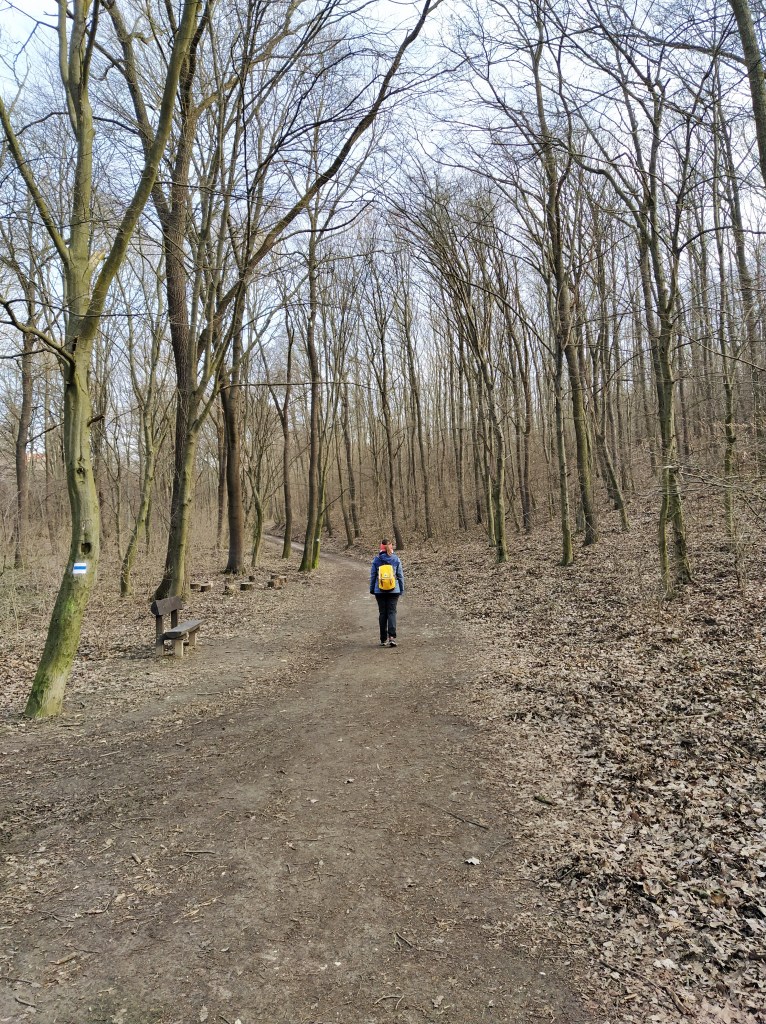
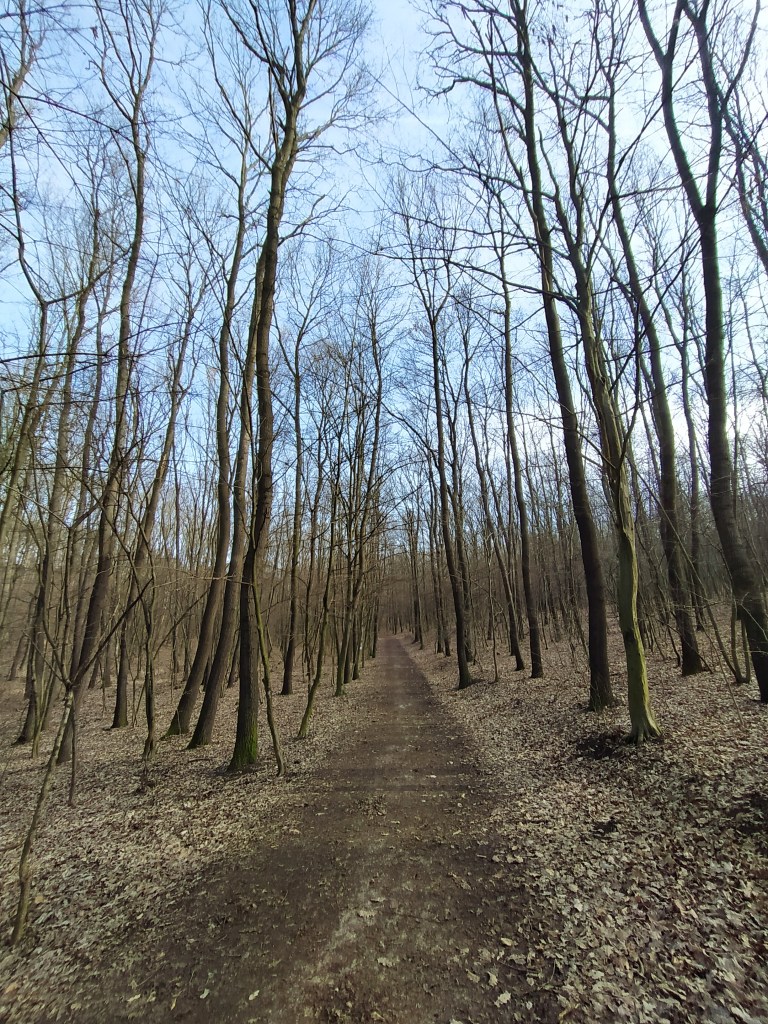
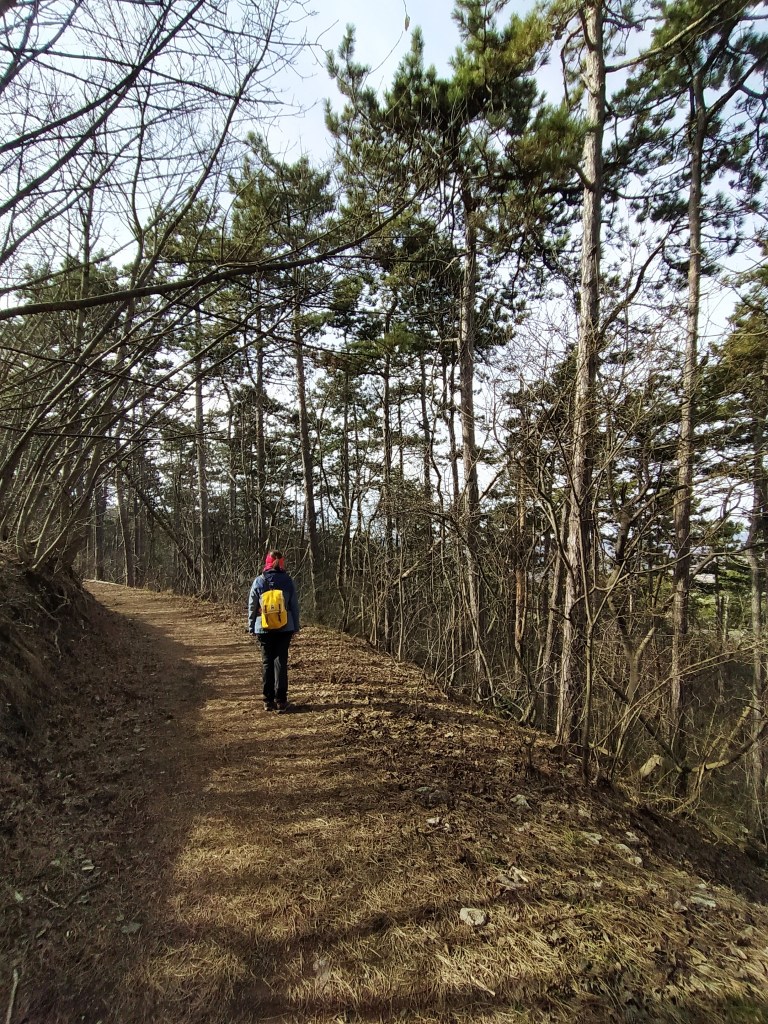
After watching the cute, old train leaving the station , we started the hike by crossing the road and then off we went into the forest. I immediately felt better, nature really is a balm for the soul. A few birds were already calling for spring with their song, a woodpecker was working away on a tree somewhere, the plants already started to sprout. 

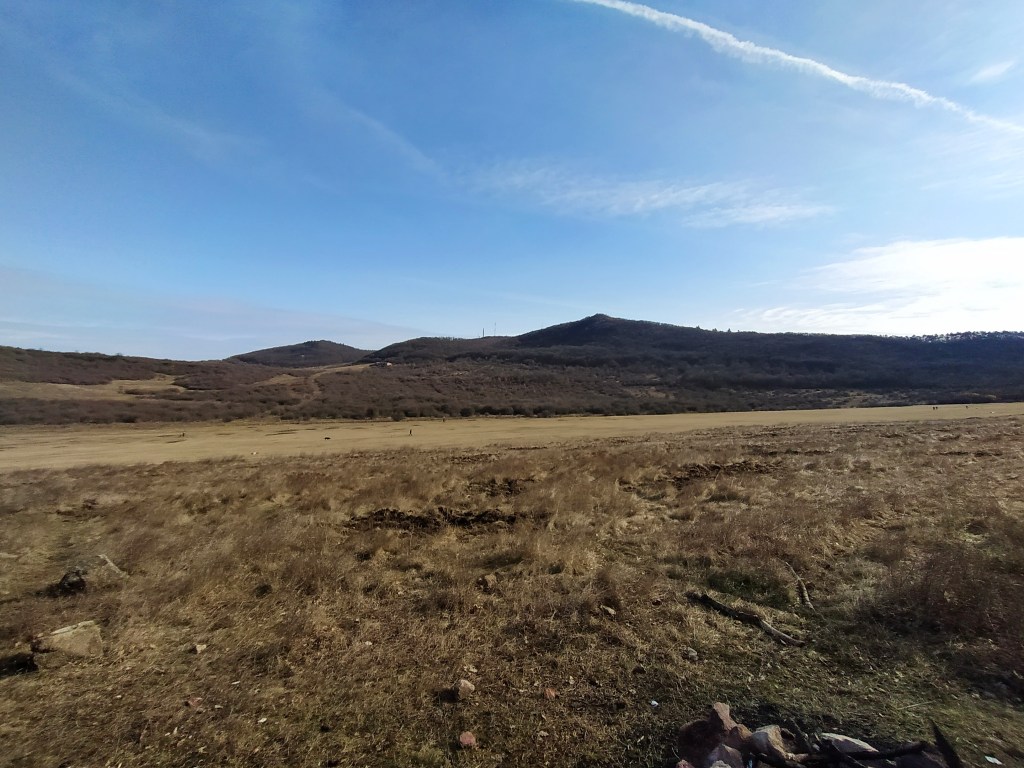
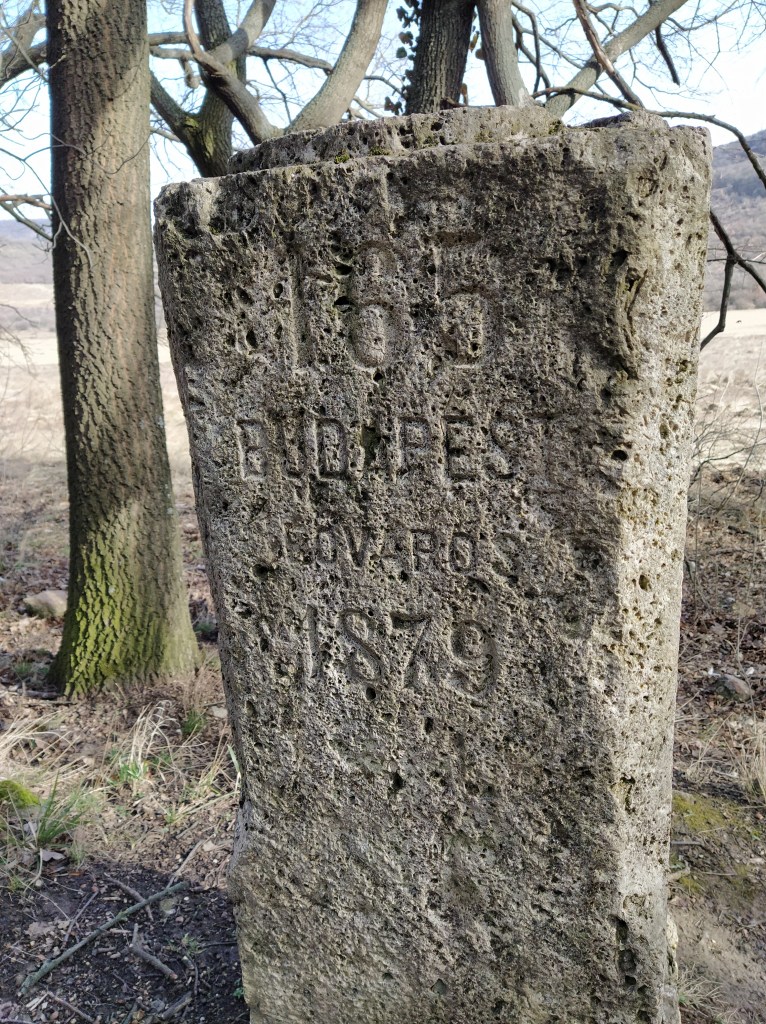
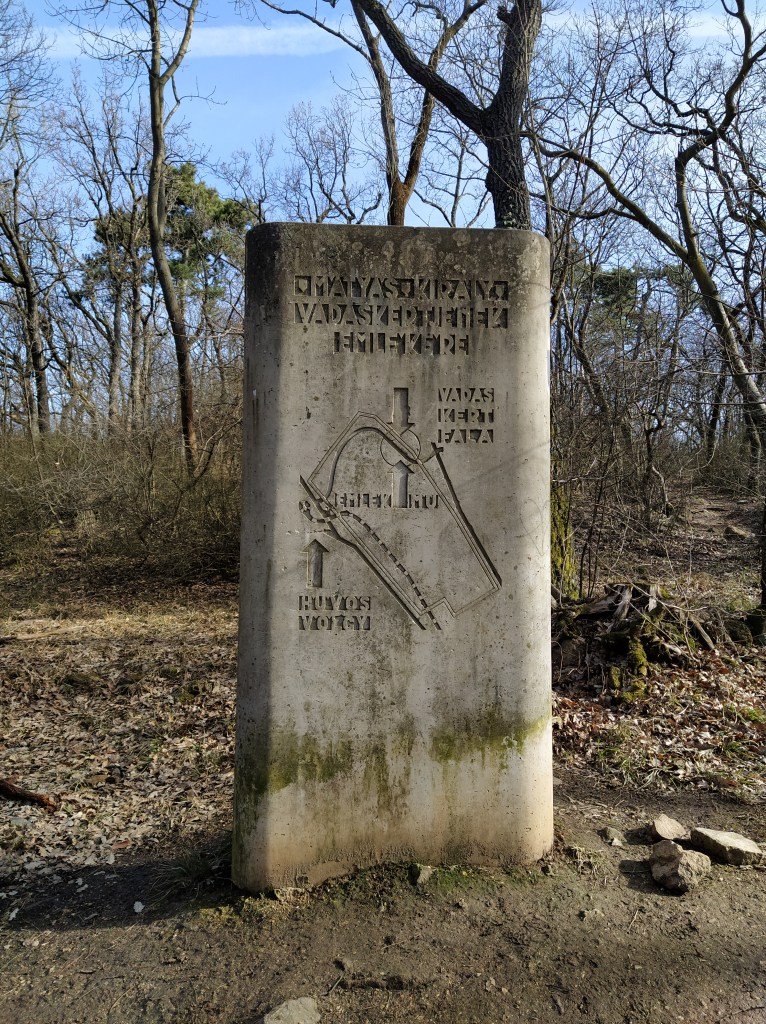
The path went along the edge of the glider airport, that morning the vast field was not used by gliders but dogs and their humans. At the edge of the field, we found a city border marker back from 1879 and a little bit further on another marker telling that the wildlife park of King Matthias used to be here. 

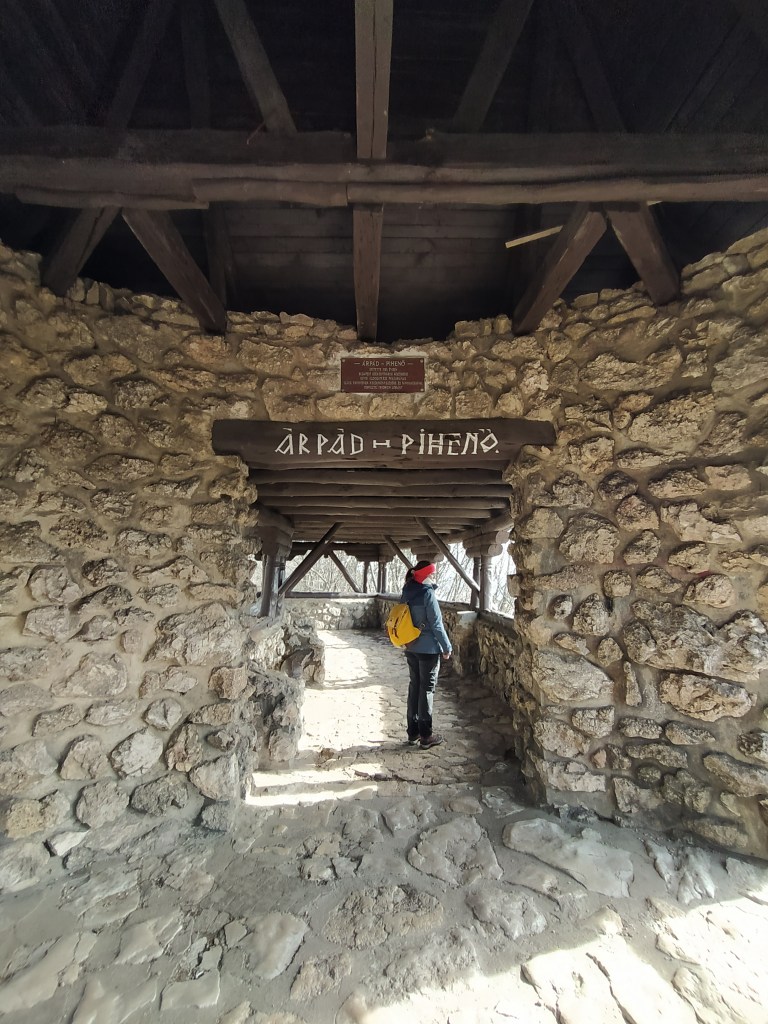
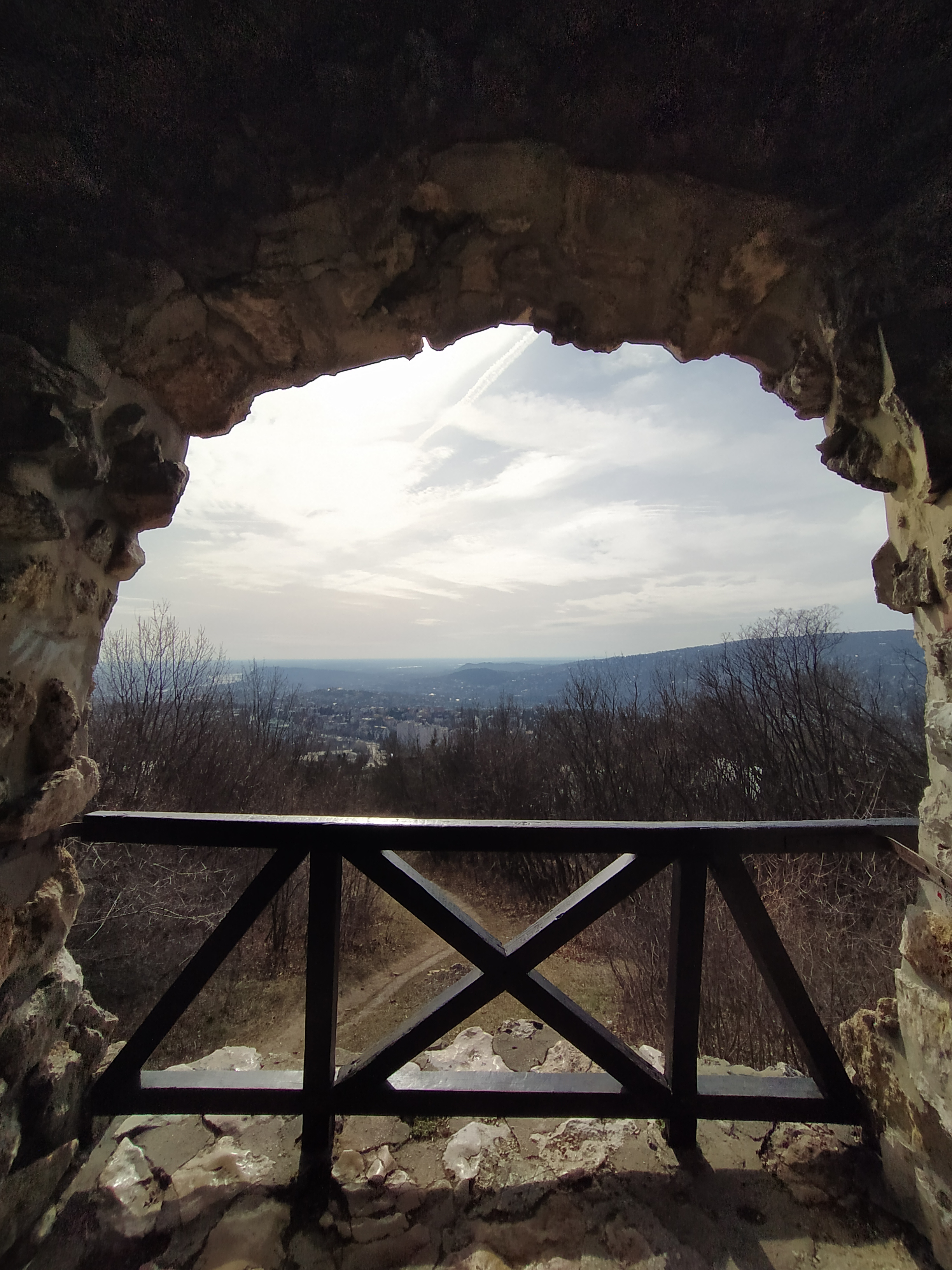
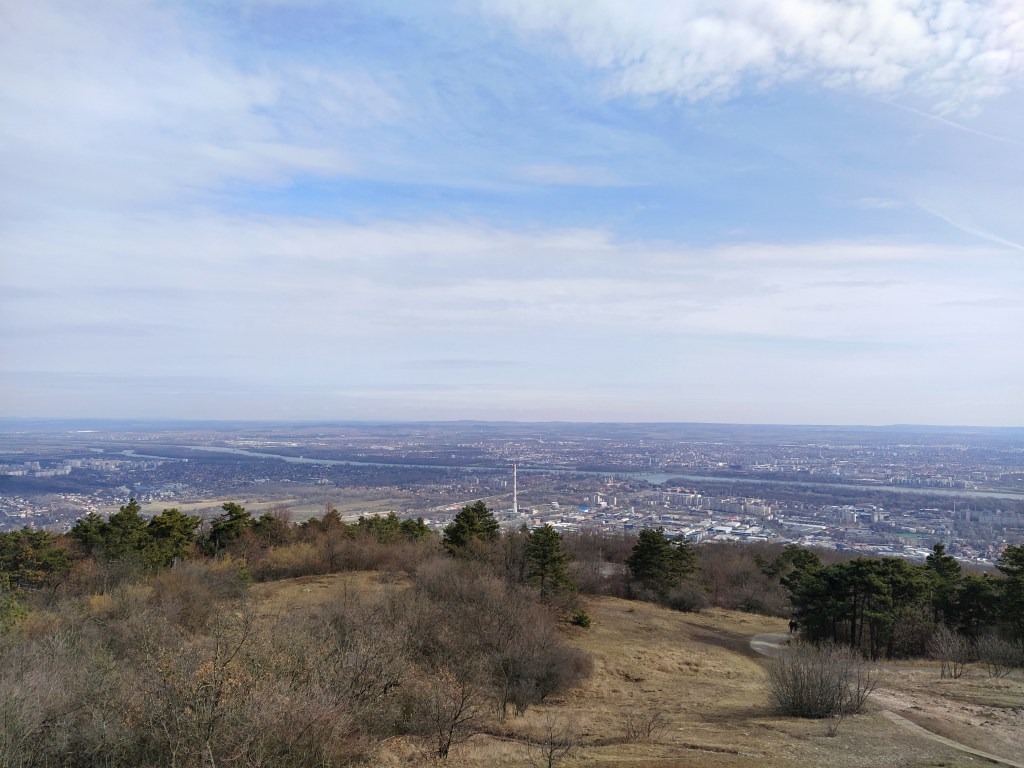
Our next stop was the Árpád viewpoint, from where we enjoyed the beautiful view of the city.  The viewpoint, which has a  Transylvanian vibe was built on 1929 and it’s a popular hiking destination in Budapest as it’s reachable with an easy walk and view is quite something. I couldn’t find anywhere the reason for naming it Árpád, as neither the designer, nor the sponsor was called thus. Then in a Wikipedia article I happened upon the information that supposedly the tomb of chieftain Árpád is at the base of the mountain. So, we will go with this one.
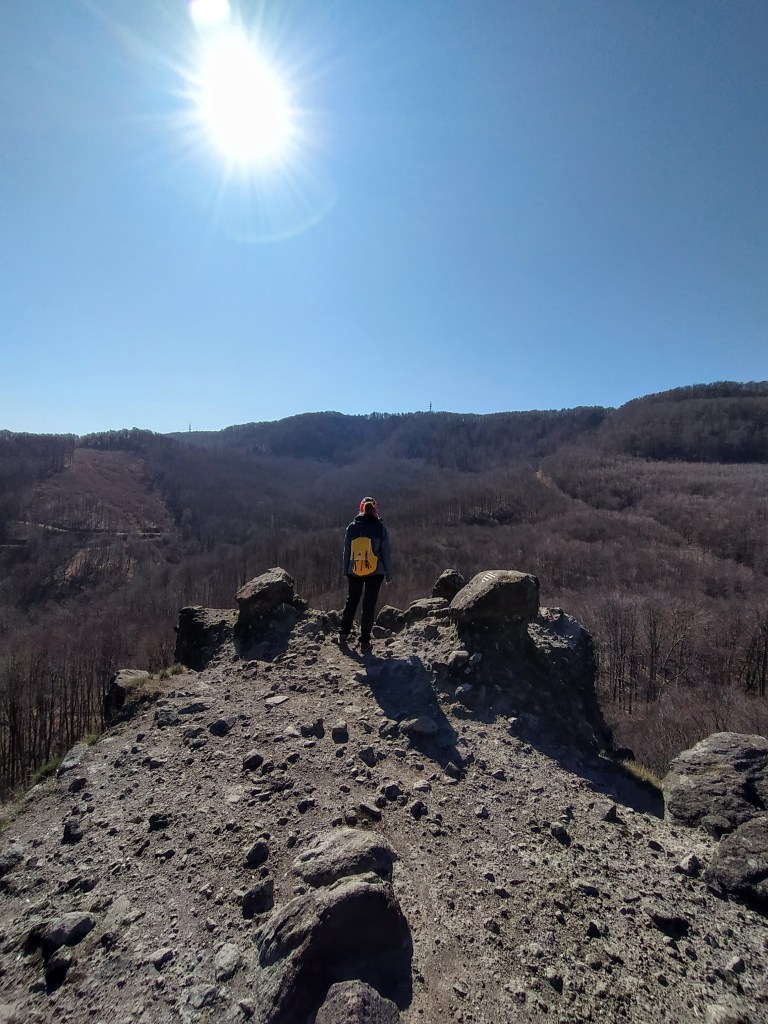
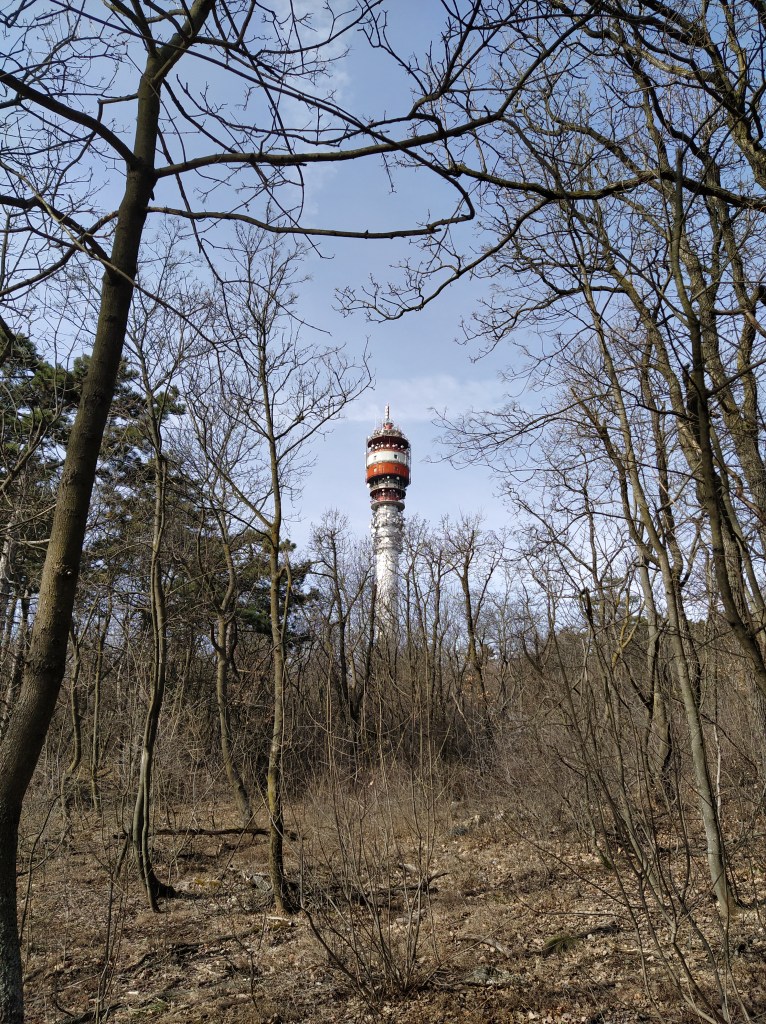
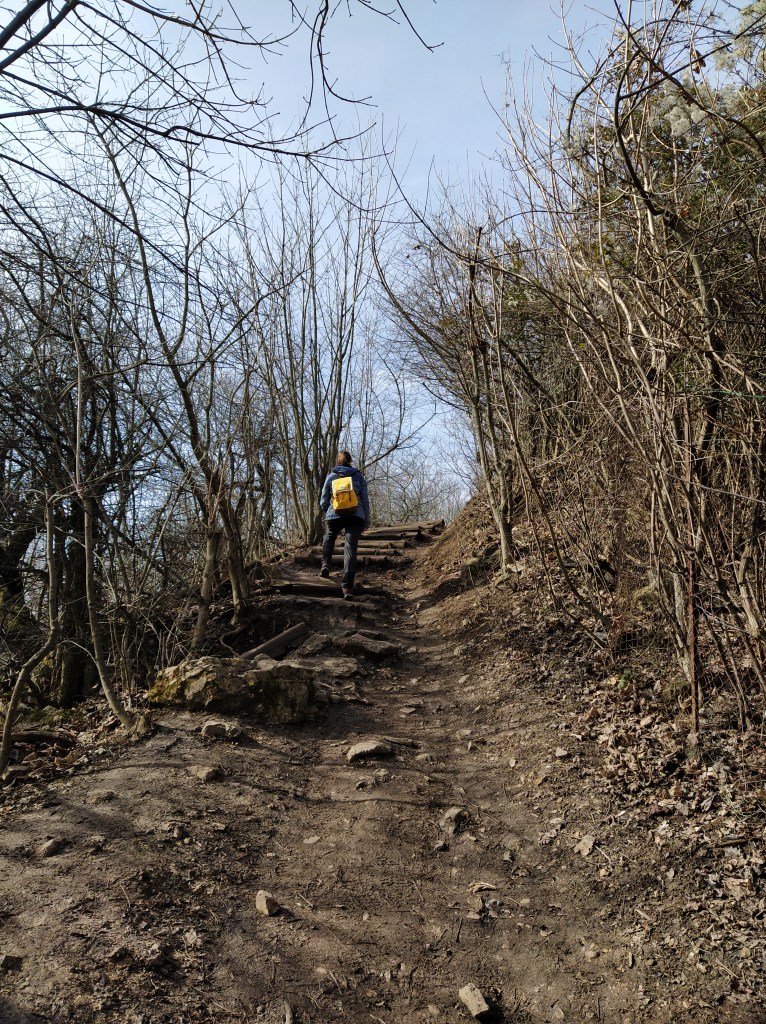
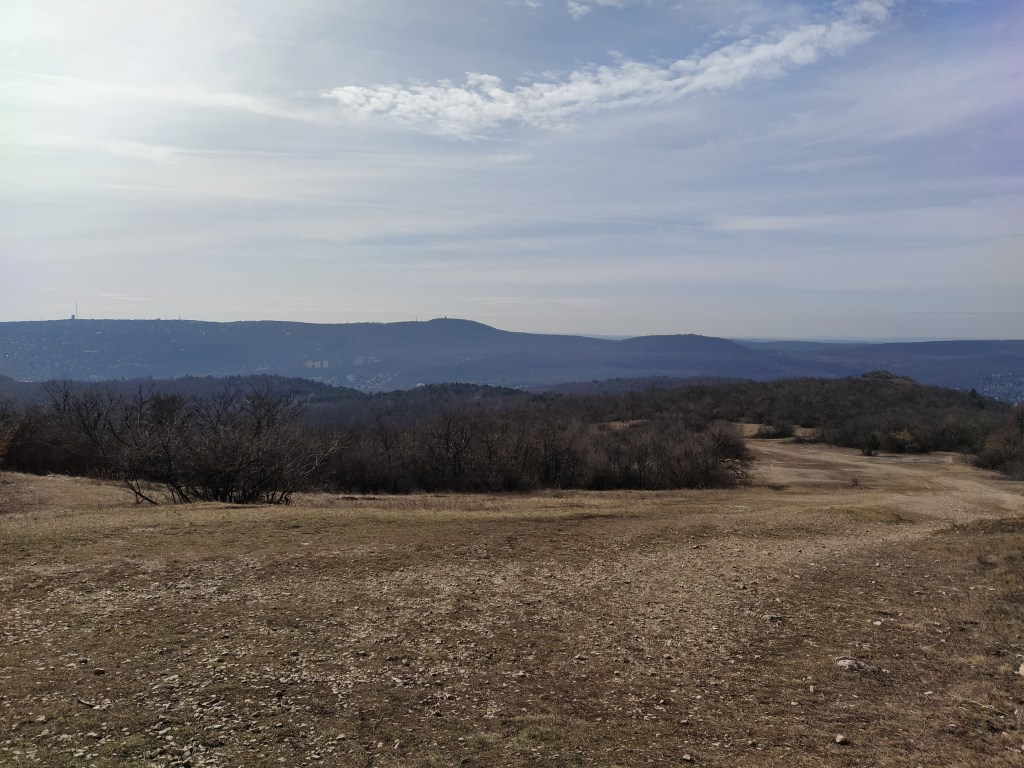
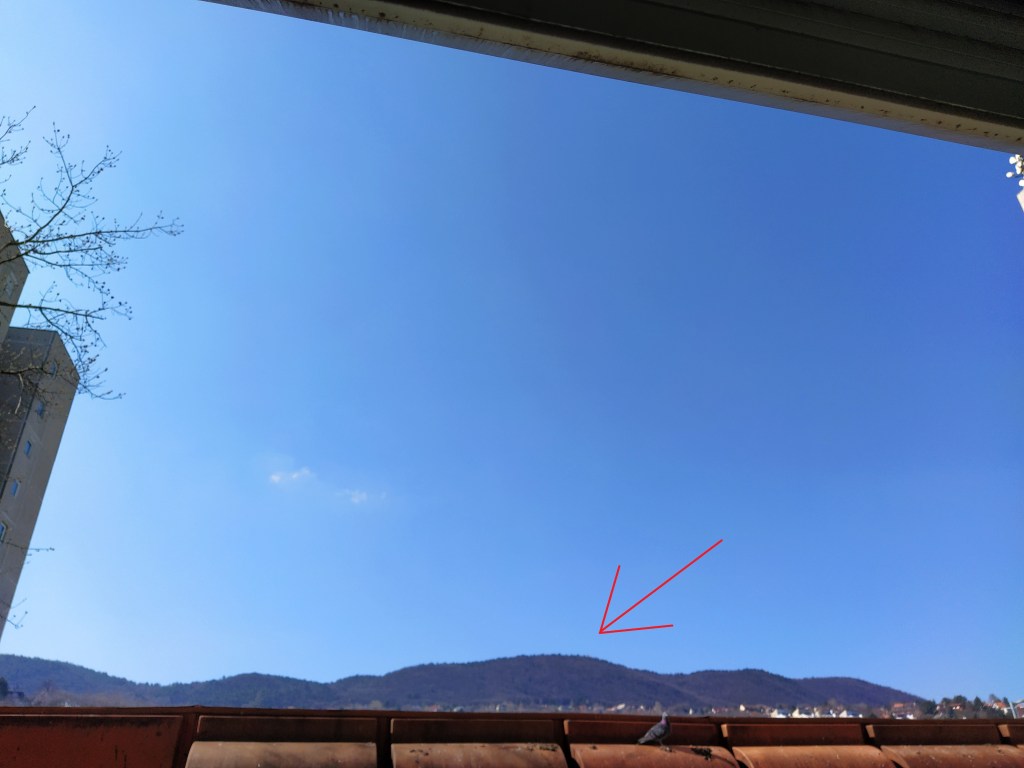
The next part of the hike was really exciting to me as we climbed up to the Hármashatár mountain (although I feel a bit silly calling these mountains as the highest point is 495 meters, so maybe very high hills?) and I got a closer look on the radio tower, the one I have been watching from my appartment’s window for the last 5 years. It feels good to know what’s up there plus now I have a tale to tell to whoever comes over.

The literal translation of Hármashatár is triple border as until 1873, the mountain top was the common border of Buda, Óbuda and Pesthidegkút.
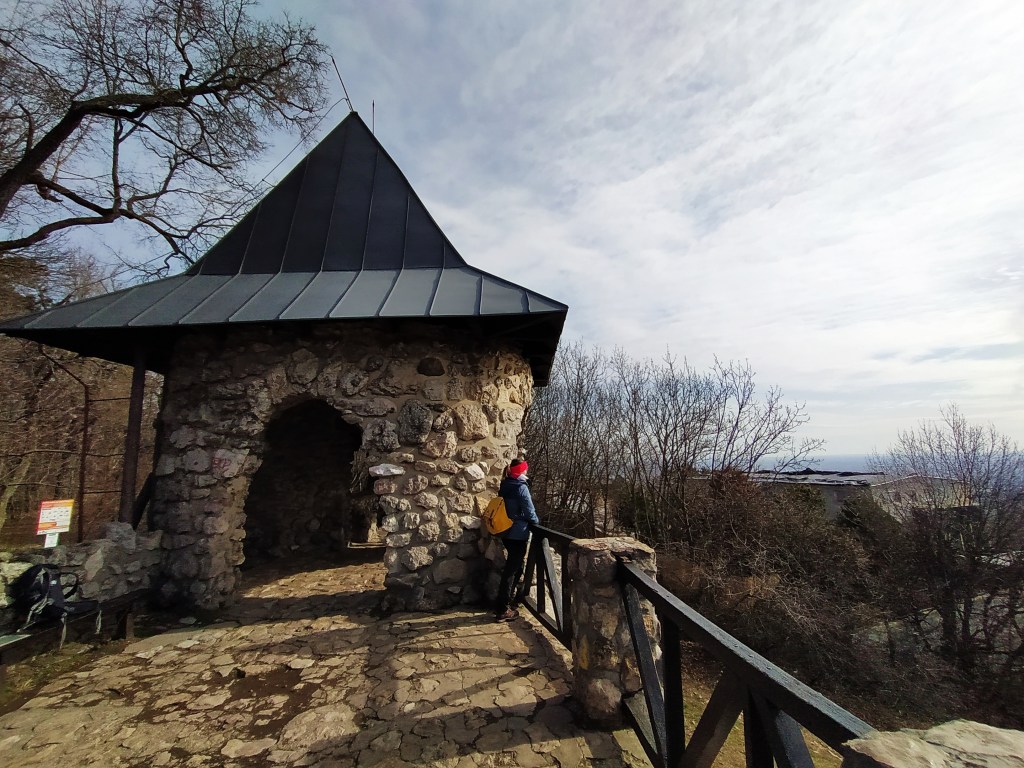
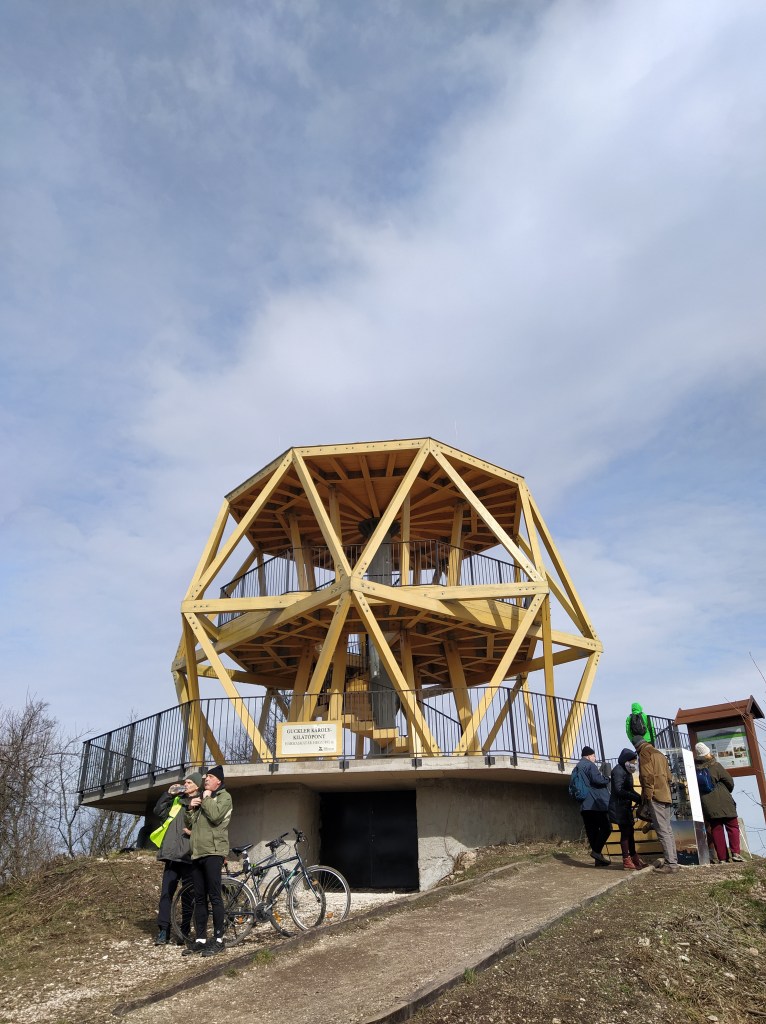
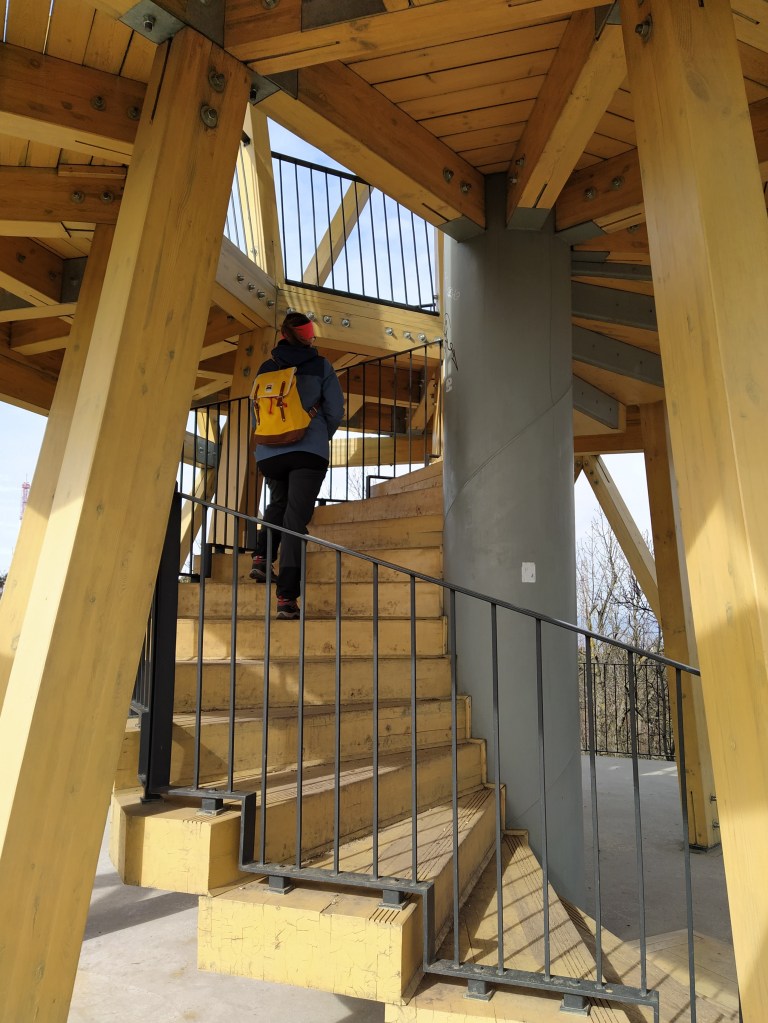
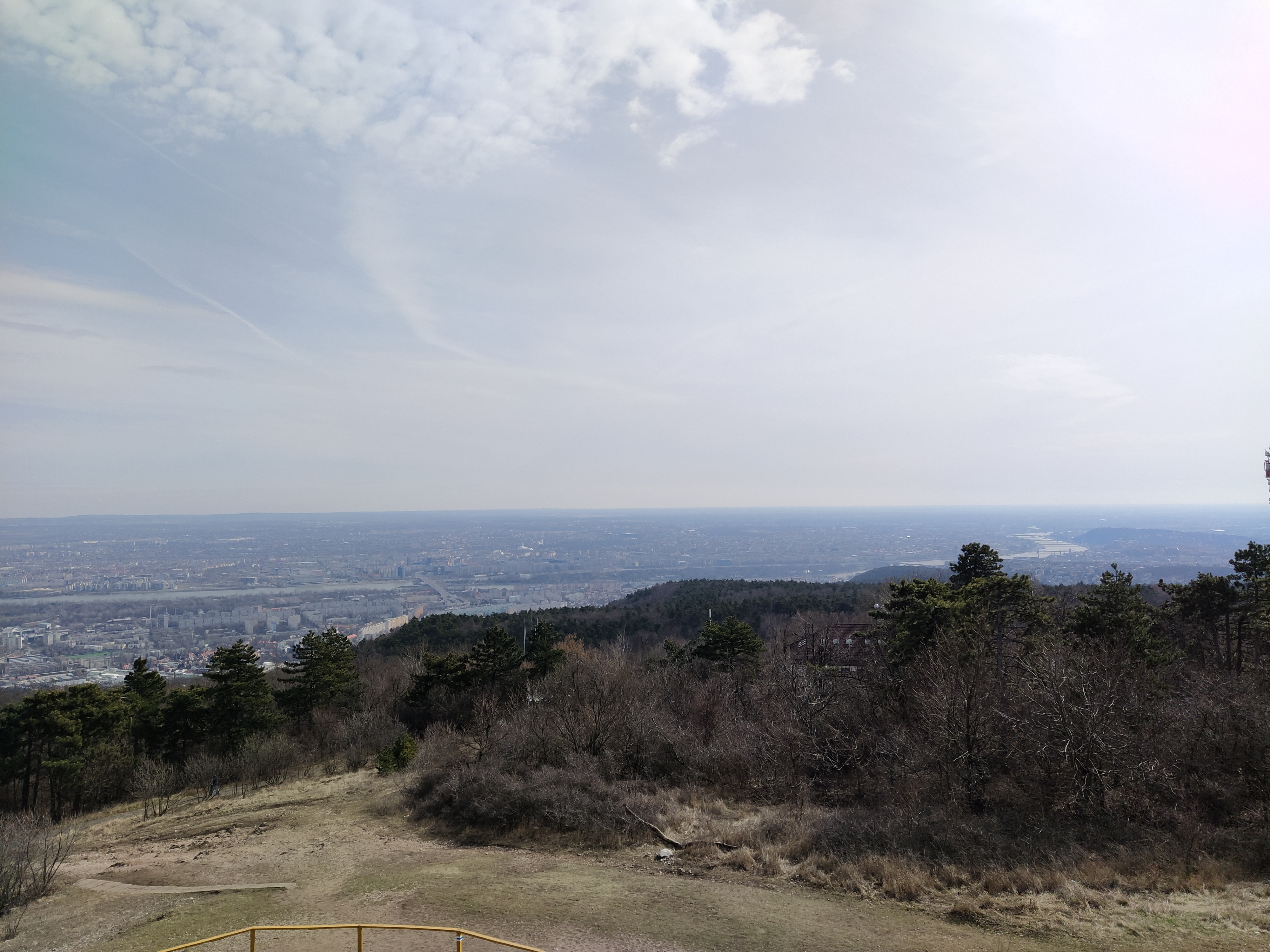
Up on the top can be found another viewpoint in the shape of octagon, named after Glucker Károly. Another bird’s eye view of the city, a different part this time, a one closer to home as we watched the district where we live from above.


In the last part of our hike, we first went down and then up to Csúcs-hegy (Peak mountain) I would have preferred to skip to going down and then up again after climbing up to Hármashatár mountain, but without climbing up, you can’t enjoy the view (I’m such a wise woman).

It felt exhilarating to leave the four walls and to stretch out our limbs,  even though we’re sadly out of shape. My legs felt like they were made of metal by the end and I was craving something sugary.The weird thing is that a year ago I wasn’t really into hiking and now I’m hooked and addicted to them. If we skip several weekends,  I start to become edgy and not so nice to live with.  Thankfully, we have 1154 kilometres of trail to complete, so we won’t get bored.

See you at the next leg of the Blue Trail and don’t forget: Feeling Blue? Hike the Blue!

Stamps in the Blue Trail notebook
The stamps we collected during the 14th part of the Trail